Butterfly Valves Explored: What They Are, How They Work, and How to Choose the Best One
If you’re familiar with the world of engineering, piping systems, or plumbing, you’ve probably come across various types of valves. Today, let’s narrow our focus on Butterfly Valves. We’ll explore what they are, how they work, and provide some considerations for choosing the best one for your needs.
What are Butterfly Valves?
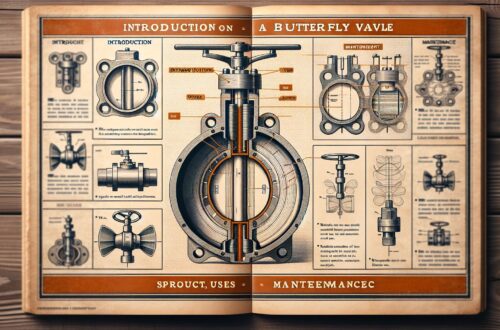
Butterfly valves are typically used to regulate flow in a piping system by using a disc that turns on a diametrical axis inside a pipe, creating a throttle or shutting off effect. They are a type of quarter-turn rotational motion valve, which means that the valve is fully opened or closed when the disc is rotated a quarter turn [^1^].
How Do Butterfly Valves Work?
The essential operating principle of butterfly valves revolves around the disk or “butterfly” that is centrally pivoted within the valve body. By rotating it a quarter of a full turn, the valve can be opened or closed. When the butterfly is perpendicular to the flow of fluid, it blocks the passage, stopping fluid flow. In contrast, when the butterfly aligns with the fluid flow, it offers minimum obstruction, allowing fluid to flow freely[^2^].
Choosing the Best Butterfly Valve: Factors to Consider
Several factors come into play when selecting a butterfly valve. Some of the main considerations include size, type, material, pressure rating, temperature rating, and the nature of the fluid passed through the valve. Here’s a closer look at these factors.
Valve Size
Appropriate valve sizing is crucial to maintain optimal function. The butterfly valve’s diameter should match the internal diameter of the pipe where it will be installed to prevent leakage or damage.
Type of Butterfly Valve
There are different types of butterfly valves, including high-performance butterfly valves, lined butterfly valves, and triple offset butterfly valves. The best choice depends on the application and the specific requirements of the system[^3^].
Material
The material of the valve and seat should be compatible with the fluid in the pipeline. Stainless steel, cast iron, and plastic are common materials used in butterfly valve construction, with various types of rubber or synthetic materials used for the seat.
Pressure and Temperature Ratings
The valve should be able to withstand the system’s pressure and temperature requirements. The pressure rating defines the maximum pressure that the valve can handle, while the temperature rating indicates the highest and lowest temperatures within which the valve can operate.
Fluid Nature
Consider the type of fluid the valve will control. Some fluids can be abrasive, corrosive, or have high viscosity, impacting the selection of materials and the design of the butterfly valve.
In conclusion, while the selection of a butterfly valve can be complex, understanding these integral points will ensure you choose a valve that meets your system’s specific demands. Always consider the application, size, material, the type of butterfly valve, and the nature of the fluid in your pipeline for a more informed selection.
References
[^1^]: Valve Manufacturers Association of America. (2021). Introduction to butterfly valves. Retrieved from ValveMagazine
[^2^]: Engineers Edge. (2021). Butterfly valves. Retrieved from EngineersEdge
[^3^]: Valve World. (2021). Considerations when selecting butterfly valves. Retrieved from ValveWorld
[Sample Model]