A Comprehensive Guide to Globe Valves: Selection, Installation, and Maintenance
Valves are the indispensable components of any robust industrial process. From controlling flow to managing pressure, valves play a crucial role in maintaining operational efficiency. Among the many types of valves, the Globe Valve is one such device known for its remarkable capability and versatility. This article aims to provide a detailed overview of globe valves, their selection, installation, and maintenance.
What is a Globe Valve?
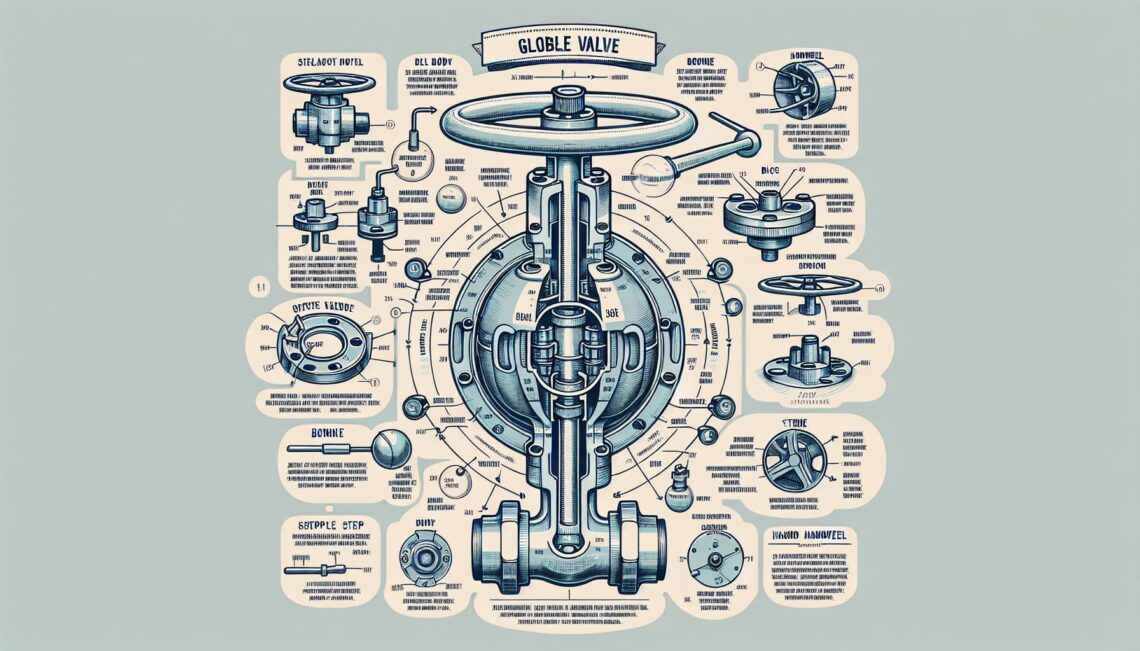
A globe valve is a type of valve used for regulating flow in a pipeline. It consists of a movable disc-type element and a stationary ring seat in a spherical body [^1^]. Primarily, the globe valves are used for throttling services in a system.
[^1^]: Industrial Valve Basics.
Selection of Globe Valves
While purchasing a globe valve, certain factors should take into account as follows:
Valve materials:
Material selection is a critical step in your globe valve selection. The valve material must be able to withstand the temperature and pressure of the fluid passing through it. It should also exhibit compatibility with the medium’s chemical properties. Common materials for globe valves include bronze, iron, steel, alloy steels, and stainless steel.
Valve size:
Valve size is another important factor. Its size should match the pipeline’s dimensions where it needs to be installed, ensuring seamless connectivity and minimal disruption in flow.
Valve End Connection:
End connections are responsible for how a valve connects to a system. The commonly applied end connections include threaded, butt-welded, and flanged.
Globe Valve Installation
Proper installation ensures smooth operation and longer lifespan. Follow these key steps for a successful installation:
-
Inspect the Valve: Before the installation, check the valve for any damage or defects.
-
Prepare the Piping: The piping should be at the correct alignment, clean, and free from all debris.
-
Positioning the valve: Position the globe valve in the pipeline where it needs to be installed.
-
Securing the Valve: Secure the valve properly using fasteners.
-
Operational Test: Once installed, perform operational tests to ensure proper functioning.
Maintenance of Globe Valves
The frequent inspection and regular maintenance is a must to ensure that globe valves work without any hitches. Some of the best practices include:
Regular Inspections
Carry out inspections to identify any issues such as leaks or corrosion.
Valve Packing Maintenance
The valve packing needs regular maintenance to ensure it remains tight and prevents leaks.
Valve Repair and Replacement
If a globe valve exhibits any issues, it should be repaired or replaced immediately to prevent further damage.
Finally, the documentation of maintenance activities needs to be diligent to provide an easy reference to previous maintenance works and to trace the operational efficiency impacts.
In conclusion, globe valves are multidimensional components of any industrial process. Knowledge about their selection, installation, and maintenance not only aids in their seamless functioning but also ensures longevity and safety.
[^2^]: Valve Magazine. Selection of Valves.
[^3^]: Plant Engineering. Installation, Maintenance & Repair.
[TOC]