A Comprehensive Guide to Diaphragm Valves
Diaphragm valves are one of the most versatile and commonly used mechanisms in flow control systems. Let’s dive deep into the structure, working principle, types, applications, specifications, and maintenance tips for diaphragm valves.
What are Diaphragm Valves?
An essential class of valve technology that stands out for its versatility is the diaphragm valve. It is a type of throttling valve which controls fluid flow by adjusting the area of flow path. Diaphragm valves are known for their minimal maintenance requirements, unique sealing mechanism, and the strong, durable diaphragm from which they get their name.
Structure and Working Principle
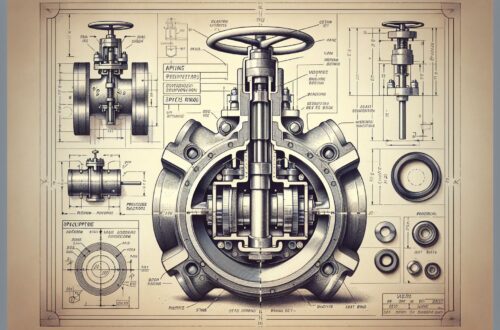
Diaphragm valves are made up of several key components, namely the valve body, the diaphragm, the bonnet, the valve stem, and the handwheel or actuator.
The core of a diaphragm valve, as the name suggests, is the diaphragm. It is a flexible and impermeable material, such as rubber or specialized synthetic materials. This diaphragm is pressed against the valve body to ensure tight sealing and control over the fluid flow[^1^].
The bonnet pushes the diaphragm against the valve seat using the valve stem when the handwheel or actuator is turned. Flow control is achieved by modulating the degree to which the diaphragm is depressed against the valve seat, altering the size of the flow path.
Different Types of Diaphragm Valves
There are two core types of diaphragm valves: Weir Type, also known as straight-through type, and Straightway Type, also known as full-bore type[^2^].
Weir Type diaphragm valves use a weir design to squeeze the flexible diaphragm and close the flow path. They excel at regulating low to moderate flow rates.
Straightway Type diaphragm valves, contrastingly, are designed to control high flow rates and are typically fully opened or fully closed. The sealing principle for this valve type involves the straight compression of the diaphragm against the valve body.
Key Specifications and Selection
Choosing the right diaphragm valve for your application involves considering several specifications. The pressure rating, temperature rating, valve body material, and valve size are among the fundamental variables that influence valve selection[^3^].
Pressure rating pertains to the maximum pressure that a valve can safely handle. The temperature rating is the considered environmental temperature affecting the diaphragm’s material and structure. Both ratings should be selected carefully since incompatible pressures or temperatures can lead to valve failure.
The valve body material — which can be metals, plastics, or exotic alloys — plays a major role in the valve’s resistance to chemical reactions and corrosion, as well as its overall durability.
Diaphragm Valves Applications
Diaphragm valves are particularly suitable for applications requiring sterile or clean conditions due to easily cleanable design. Such industries include pharmaceutical, brewing, food processing, and semiconductor fabrication.
Furthermore, the construction of diaphragm valves makes them ideal for dealing with corrosive and hazardous fluids, slurries, and high-purity services.
Diaphragm Valves Maintenance and Repair
Diaphragms need regular maintenance, with how frequent depending on the working conditions, fluid properties, and diaphragm material. Periodic inspection includes checking diaphragm for wear or erosion and replacing if necessary. An advantage, though, of diaphragm valves is that maintenance and diaphragm replacement can be done without removing the valve from the pipeline[^1^].
Conclusion
Diaphragm valves offer a valuable combination of simplicity, versatility, and ruggedness. While not suitable for every application, they excel in specific industries and processes thanks to their unique sealing mechanism and robust diaphragm.
Categorized as a throttling valve, the diaphragm valve provides precise control over fluid flow— an indispensable feature in a vast range of industries.
[^1^]: Diaphragm Valves, Swagelok, https://www.swagelok.com/en/catalog/Product/Detail?part=LRS4B-1
[^2^]: Diaphragm valve (Weir Type and Straightway Type), MachineMfg, https://www.machinemfg.com/diaphragm-valve/
[^3^]: How to Select a Valve for Solids & Bulk Handling, Valve Magazine, https://www.valvemagazine.com/magazine/sections/features/9096-how-to-select-a-valve-for-solids-bulk-handling.html