Ball Valves: A Comprehensive Understanding
Valves are essential elements of piping and plumbing systems, controlling the flow of liquids, gases, and slurries. Various types of valves are suitable for different applications, with one of the most commonly utilized being ball valves. This article will comprehensively examine ball valves: their working principles, types, advantages, applications, and maintenance procedures.
The Working Principle of Ball Valves
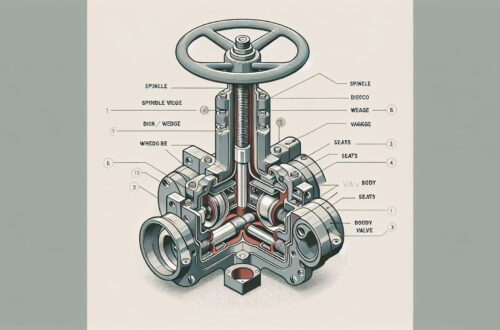
Ball valves are quarter-turn, straight-through valves that control flow using a spherical disc with a hole in the middle [^1^]. When the valve is open, the hole aligns with the flow direction allowing fluid to pass through. When closed, the hole is perpendicular to the flow direction, preventing fluid movement.
Types of Ball Valves
There are three main types of ball valves, namely:
-
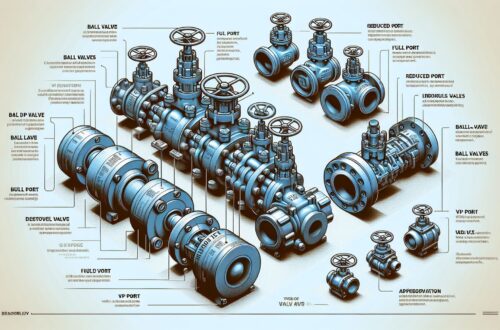
Full Port Ball Valves: They have an oversized ball so that the hole in it can match the pipe’s inner diameter.
-
Reduced Port Ball Valves: The size of the ball and the hole in this type is smaller than the pipe’s diameter, reducing the flow rate.
-
V-Port Ball Valves: This type has either a ‘v’ shaped ball or a ‘v’ shaped seat, resulting in a more controlled flow.
Benefits of Ball Valves
-
Durability: Ball valves have a long service life and offer great sealing ability, preventing leaks.
-
Versatility: These valves can handle differing temperatures and pressures, as well as various fluids, including corrosive materials.
-
Swift Operation: As quarter-turn valves, ball valves can open and close quickly, making them perfect for applications that require fast isolation.
-
Low Maintenance: Their design simplicity minimizes the need for regular maintenance.
Applications of Ball Valves
Ball valves have wide-ranging applications, mostly in industries where the fast, leak-free isolation of fluids is necessary, like oil and gas, chemical processing, power generation, marine operations, and more [^2^].
Maintaining Ball Valves
Though ball valves require minimal maintenance, regular examination helps to identify potential leaks and damages, hence preventing major repairs. Lubricating the valve’s moving parts, checking the pressure, and regular cleaning are some of the basic yet crucial maintenance practices.
Conclusion
Ball valves, recognized for their durability, efficiency, and low maintenance requirements, are a fantastic choice for both industrial and residential use. Understanding their operations, types, advantages, and maintenance requirements aids in maximizing their potential and garnering the best results in various applications.
[^1^]: How Does a Ball Valve Work
[^2^]: Ball Valves: Roles and Industry Applications
[^3^]: Basic Ball Valve Maintenance