Simplifying Valve Selection: A Comprehensive Guide
The valve, one of the most essential equipment in many industries, remains an unsung hero in our daily mechanical operations. It plays a momentous role in flow control, helping manage fluid handling systems properly, from the smallest domestic plumbing household system to the most complex industrial pipelines. Understanding the process of valve selection can help significantly enhance the efficiency of your system. This blog post will provide a comprehensive guide to valve selection, aiming to make the process more accessible and less daunting for both novice and experienced users.
1. Determining the Basics
Before jumping into specifics, it’s crucial to understand the overall context of the application. By identifying the fundamental requirements, we can break down the selection process into manageable phases. Here’s a few questions to consider:
- What is the nature of your fluid— is it a gas, liquid, or a mix?
- What’s your flow rate?
- Do you need to regulate the flow (throttling), or is it a simple on/off operation?
- What’s the temperature and pressure of your operating conditions?
- Does your fluid have special properties (corrosive, toxic, high viscosity, etc.)?
2. Valve Types
According to the specific requirements identified above, we can start narrowing down valve types.
Gate Valves
Gate valves are ideal for on/off operation and provide minimal resistance to the flow when fully open. They’re often used when flow needs to be entirely shut off, but be aware, they’re not suitable for throttling as partially opening the gate valve can cause vibrations and premature valve failure [1].
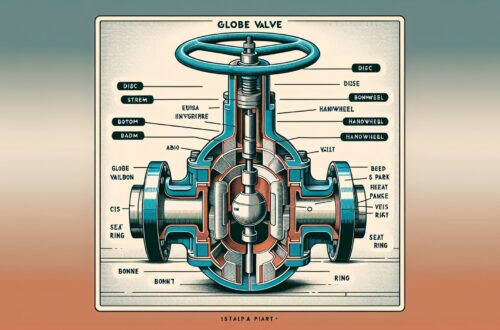
Globe Valves
Globe valves provide better throttling than gate valves. They’re designed for situations where flow needs to be accurately adjusted. However, they lead to higher resistance or pressure drop compared to gate valves [2].
Ball Valves
Ball valves are another type of quarter-turn valves ideal for on/off operation but can also be used for throttling when equipped with the appropriate actuators and controls.
Other common valve types include check valves, butterfly valves, pinch valves, diaphragm valves, etc., each with distinctive features and applications.
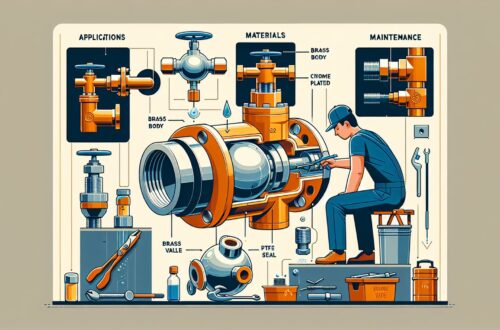
3. Valve Materials
The material choice of a valve is critical. It should be suitable for the operating conditions and the nature of the fluid. Here are some common materials:
- Brass Valves: Good general-purpose valves
- Cast Iron Valves: Preferred for high-temperature steam applications
- Stainless Steel Valves: Used for corrosive environments
- PVC Valves: Used for wastewater treatment applications
4. End Connections
According to your piping system, valves can be threaded, socket-welded, flanged, butt-welded, or clamped. The choice depends on your application, fluid, pressure, and temperature of operation, as well as industry regulations [3].
5. Valve Size and Ratings
After choosing a suitable type and material, it’s essential to size the valve correctly. An undersized valve can constrict the flow of the process fluid, while an oversized valve may be inefficient or costly.
Pressure ratings indicate the maximum pressure the valve can handle, crucial to prevent premature wear or failure.
Conclusion
The importance of correct valve selection can’t be overstated: Proper selection can ensure operational efficiency, safety, and longevity of your system. It’s always wise to consult with experts or trusted valve suppliers to ensure the best performance.
Remember, the valve, no matter how small, can create a significant impact on your overall operation. Choose wisely, and let your flow be smooth and under control.