The Comprehensive Guide to Ball Valves: Design, Operation and Maintenance
Valves are integral components in fluid handling systems, playing critical roles in controlling flow and pressure. Among the numerous valve types available, ball valves stand out due to their simplicity, durability, and wide-ranging applicability. Digging deeper provides insights into what showcase these valves as an ideal solution for many flow control applications.
What are Ball Valves?
Ball valves are quarter-turn, rotary motion valves that use a ball-shaped disk to control flow. They have a hole, or port, that goes through the middle, allowing fluid to flow when it lines up with both ends of the valve (source).
Design and Parts of a Ball Valve
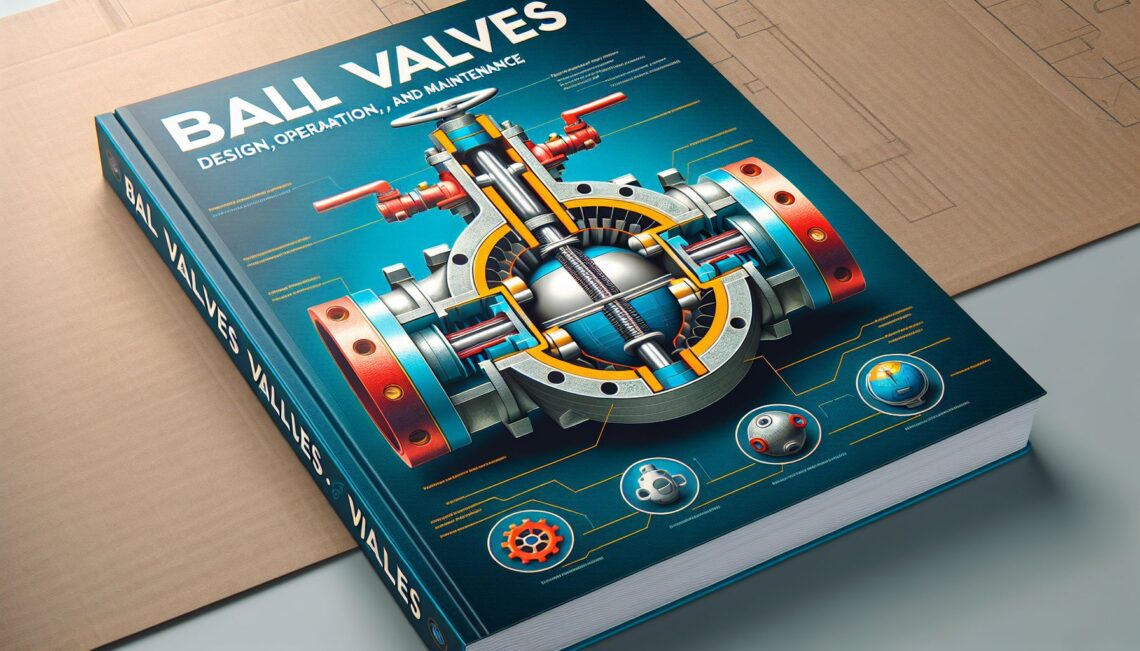
A standard ball valve mainly consists of a valve body, a ball, a valve stem and a handle.
- Valve Body: Typically crafted from solid pieces of metal, the body is responsible for housing and aligning the internal parts of the valve. The integrity of the body is crucial for the overall performance of the valve.
- Ball: The ball is the valve’s central component, controlling the flow of fluids through the valve. It possesses a hole or port along its axis. Turning the ball changes its position, either aligning or misaligning the port with the ends of the valve.
- Valve Stem: The valve stem is a rod attached to the ball, allowing external forces to turn it. It’s connected to the valve handle on one end and the ball on the other.
- Handle: The handle allows the user to turn the stem and, subsequently, the ball. It’s designed for easy operation, requiring little force to turn (source).
Working Principle of Ball Valves
When the valve is open, the position of the ball allows fluids to flow freely through the valve’s port. Rotating the ball by 90 degrees (quarter-turn) misaligns the hole with the flow path, effectively shutting off the flow. This simple on-off control ability makes ball valves a genuinely good choice for shutoff and control applications (source).
Applications of Ball Valves
Ball valves are used across various fields due to their versatility and reliability. They find application in different sectors, including oil and gas, chemical and petrochemicals, hydraulic systems, and general industries. They are also used in everyday home plumbing systems.
Maintenance and Life-Cycle of Ball Valves
The ideal service life of a ball valve is often cited as 20 to 25 years when properly maintained. Routine maintenance involves regular inspections, cleaning, and timely replacements of internal components.
Ball valves can present issues like leaks, handle breaking, cracked balls, sealing and gasket problems that require immediate attention. Regular maintenance not only ensures smooth operation but can also extend the life of the ball valve (source).
Final Words
Ball valves’ relative simplicity, affordability, and reliable performance attribute to their widespread utilization in myriad applications. Understanding the operation of these valves provides a good base for the maintenance and troubleshooting of ball valve systems, ensuring that they continue to perform at their best.