The Essential Guide to Valve Maintenance: Maximizing Functionality and Extending Lifespan
Valve maintenance may not strike you as a particularly glamorous or important topic, but the truth is, the functionality and longevity of a valve essentially depend on its maintenance. From small-scale industrial pipelines to major wide-ranging water treatment systems, every valve’s life circle is integral to its overall systems’ operational efficiency. Maintaining the valve equates to maintaining the productivity, functionality, and safety of the whole system.
Valve Anatomy
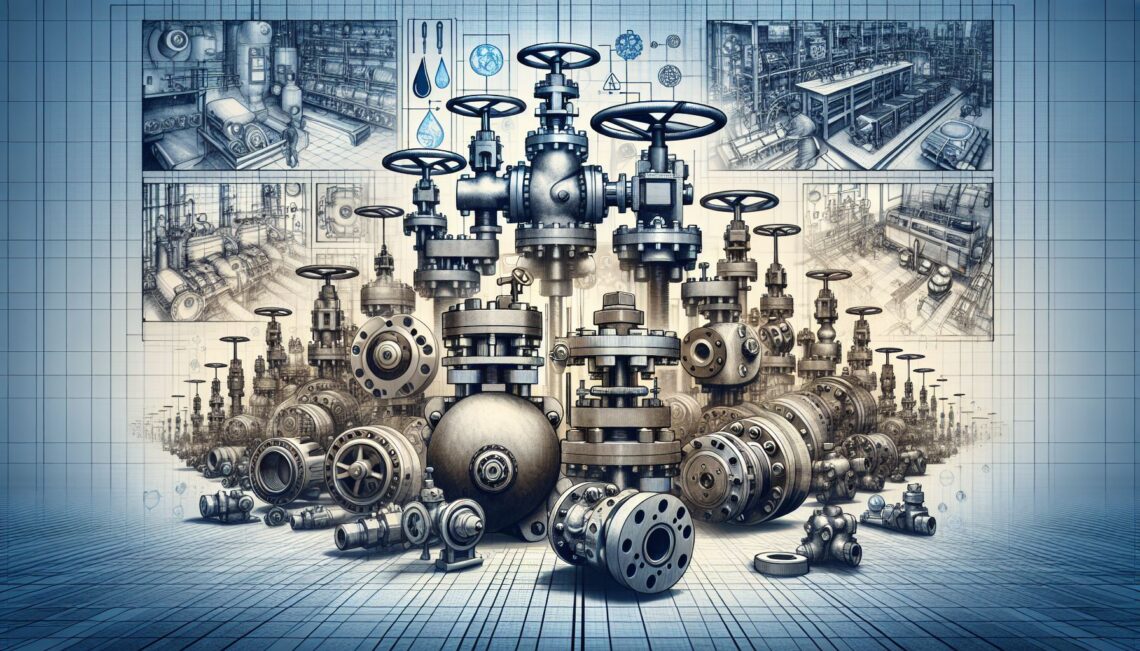
To truly appreciate valve maintenance, it’s crucial to first understand the anatomy of the valve. A valve fundamentally has a body (shell), trim (fiber parts), bonnet, and the actuator[^1^]. The valve’s body, better called the ‘shell,’ houses the moving parts, whereas the bonnet, typically bolted to the body, provides the top closing. The trim is the collective term for the operational parts, including the valve stem, disc, and seat. The actuator runs the show here, controlling the position of the disk in reference to the seat and thereby magnifying the performance of the valve.
The Importance of Valve Maintenance
Failure to make valve maintenance a priority can have dire implications. Factors such as valve erosion, severe temperature, and pressure variations, along with fugitive emissions, can cause considerable valve damage, exposing your system to avoidable hazards[^2^]. Put simply, faulty valves risk unnecessary downtime, affect productivity, jeopardize safety, and represent a costly endeavor when they eventually need to be repaired or replaced.
Valve Maintenance: Key Strategies
Let’s explore some key strategies and procedures to minimize valve issues and maximize their functionality and lifespan.
Routine Inspections
An integral part of effective valve maintenance involves regular inspections to identify any potential issues before they deteriorate into significant concerns. Frequency of these inspections often depends on the valve type, its role, and the severity of the operating environment. Checks may include body erosion, disc wear, seat damage, actuation mechanisms, leaks, and more.
Cleaning and Lubrication
Valves need regular cleaning and lubrication to prevent accumulation and ensure seamless operation. Depending on the valve’s operating environment, debris, corrosion, and build-up can hamper its functionality. Lubrication aids in the valve’s smooth operation and reduces the wear and tear of the moving parts.
Valve Repair and Replacement
Sometimes, parts of the valve may need to be repaired or ideally replaced to restore normal functioning. Valve stem packing materials, for instance, often need replacing due to wear and tear, mainly when the valve is usually in use.
Predictive and Preventive Maintenance
Leveraging techniques like condition monitoring and predictive maintenance can help maintain valves at an optimal state. These approaches aim to predict future failures or service life of a valve, enabling corrective maintenance before the failure occurs[^3^].
Valve Maintenance: Best Practices
- Valve Training: It’s essential for personnel handling valves to be adequately trained. Understanding valve anatomy, basic functions, potential issues, and maintenance techniques is paramount.
- Documentation: Always ensure you document every valve, its type, function, maintenance schedules, and previous issues. Documentation helps track valve performance over time and provides useful insights for future inspections or replacements.
- Use Quality Parts: Never compromise on the quality of components for temporary savings. High-quality parts equate to better performance and longer service life.
- Safety Measures: Valve safety integrity level (SIL) is critical. Always ensure that safety protocols and standards are adhered to during inspections, repair, and replacement processes.
Conclusion
Valve maintenance isn’t just an optional step but a crucial requirement for efficient and hazard-free operation. A well-maintained valve effectively categorizes to maximized productivity, safety, and longevity. Equipped with this knowledge, the only thing left is to put it to use, make valve maintenance a priority, and experience the immense benefits it brings along.
[^1^]: Control Valve Basics: Sizing and Selection
[^2^]: The Importance of Regular Valve Maintenance
[^3^]: Predictive Maintenance Techniques