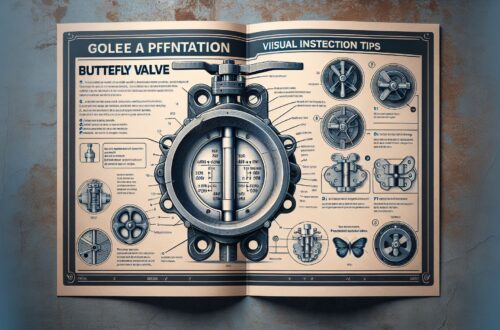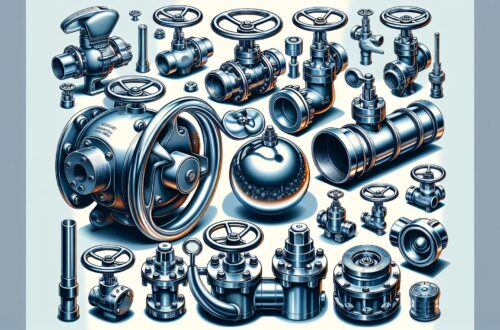
—
layout: post
title: “Understanding Ball Valves and their Role in Effective Flow Control”
date: 2021-06-15 10:00:00 -0400
categories: AI technology
Understanding Ball Valves and their Role in Effective Flow Control
Ball valves, mechanical devices that regulate the flow of fluids (gases, liquids, fluidized solids, or slurries) through a pipe system, play a crucial role in numerous industrial and household applications. This blog dives deep into this foundational topic, elucidating on what ball valves are, their function, the materials used in manufacturing them, their relevance in various applications, and how to install, maintain, and repair them.
What are Ball Valves?
A ball valve is a shut-off valve that controls the flow of a liquid or gas by means of a rotary ball having a bore. In other words, they are flow controllers with a spherical disc at the center, regulating fluid flow within any compatible setup ^1^.
Material and Design of Ball Valves
The essential components of any ball valve include the valve body, ball, valve stem, and seats. Usually, the valve body is made of plastic, metal or metal with ceramic, depending on the intended purpose. The ball, seat, and interior surface materials are selected based on the type of fluid, the flow rate, and the pressure and temperature conditions that the valve will encounter.
Corrosion resistance, chemical compatibility, temperature rating, and pressure rating are key factors taken into consideration while deciding on valve materials ^2^.
Selecting the Suitable Valve Size
Selecting precise valve sizing is crucial to an efficient system operation. It’s predicated on the pipeline’s diameter, flow rate, media type, and temperature and pressure conditions. An over or undersized valve could consequently lead to reduced system efficiency or even equipment damage.
The pressure drop across a valve is also a critical consideration. This difference in pressure between the upstream and downstream sides of the valve can affect its Cv value – a metric indicative of the valve’s capacity to produce flow at full opening.
Ball Valve Installation, Maintenance and Repair
Proper installation of ball valves involves appropriate alignment, securing, and adjustment. Regular maintenance entails inspection, cleaning, and replacement of worn parts. Repair work is typically complex and requires expert handling. It is essential to refer to the manufacturer’s guidelines for specific instructions on these operations ^3^.
Relevance of Ball Valves in Applications
Ball valves are preferred for applications where tight shut-off is required. They are excellent choices for shutoff and control applications, where minimal pressure drop is necessary. Consequently, ball valves are widely utilized in numerous industries and household applications.
Conclusion
In conclusion, undoubtedly, ball valves are essential components of any fluid management system. Their suitable selection, correct installation, and proper maintenance can ensure their efficient operation, curtailing the possibility of any unforeseen system breakdowns and leaks.
Sources: