The Untold Guide to Butterfly Valves: Their Function, Selection, and Maintenance
Introduction
Butterfly valves, one of the distinct types of valves used in various industries, are renowned for their simple structure, cost-effectiveness, and efficient performance across different applications. If you’ve ever wondered about the properties, selection criteria or even the maintenance protocols of these valves, you’re in the right place. This comprehensive guide will demystify butterfly valves for you in a thorough, reader-friendly manner.
What are Butterfly Valves?
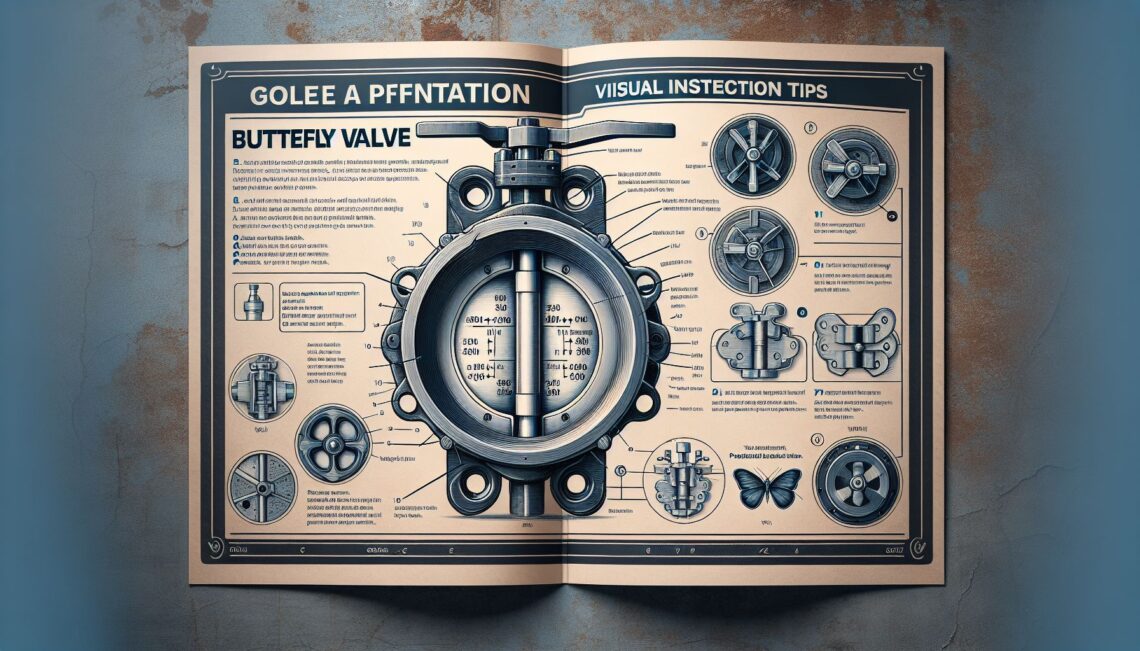
Butterfly valves derive their name from the butterfly-like disc that rotates to open or close the valve. They serve two primary purposes: stopping the flow of fluid (like a gate valve), and regulating flow (like a globe valve). These functions make them versatile, fitting for various applications in water supply, wastewater treatment, fire protection, and even in the chemical industry[^1^].
[^1^]: The Function and Advantages of Butterfly Valves
Butterfly Valves Selection
The first step in ensuring optimal operation is selecting the right valve. Not all butterfly valves are created equal; they differ in body construction, disc materials, operation modes, and sizes. Therefore, matching the valve’s attributes to the exact application needs is essential.
Butterfly Valve Body Types
There are three primary butterfly valve body types:
-
Wafer Style: They are suitable for tight spaces and lighter in weight. The installation takes place sandwiched between two flanges and best applied in low-pressure applications.
-
Lug Style: They have threaded inserts at both ends, allowing for installation and removal from a system without causing a shutdown.
-
Double Flanged: They are bulky and accommodate high pressures and temperatures. They’re commonly used for large diameter pipes[^2^].
Sizing and Material
The size of your valve should match the diameter of your pipe to prevent leakage.
Valve material selection depends on the medium being controlled. For instance, PVC or CPVC butterfly valves are cost-effective and corrosion-resistant, making them brilliant for handling water or mild chemicals. On the other hand, metal butterfly valves (stainless steel, cast iron, or even bronze) are suitable for high-temperature and high-pressure applications.
[^2^]: Types of Butterfly Valves
Butterfly Valve Maintenance
Routine inspection and maintenance of butterfly valves are necessary to ensure their optimal functioning and longevity.
Inspection Protocol
- Visual Inspection: Regularly, look for signs of leakage, disc wear, stem or seal damage.
- Operational Inspection: Regularly open and close the valve to ensure smooth operation.
- Pressure Testing: Perform this test annually to verify the valve’s tightness.
Maintenance Procedure
If your valve fails the inspection, consider the following maintenance steps:
- Cleaning: Remove any debris causing blockages.
- Component replacement: If a particular part of the valve is damaged, consider replacing only that part[^3^].
- Lubrication: Proper lubrication ensures smooth valve operation.
[^3^]: Introduction to valve maintenance
Conclusion
Butterfly valves, being an integral part of many industrial functions, meriting attention in selection and maintenance ensures impeccable operation. We hope this comprehensive guide helps you understand these crucial components of our industrial world better.
For further reading:
Disclaimer: The maintenance procedures listed in this article are general guidelines. Always follow the manufacturer’s instructions when performing any maintenance service on butterfly valves.