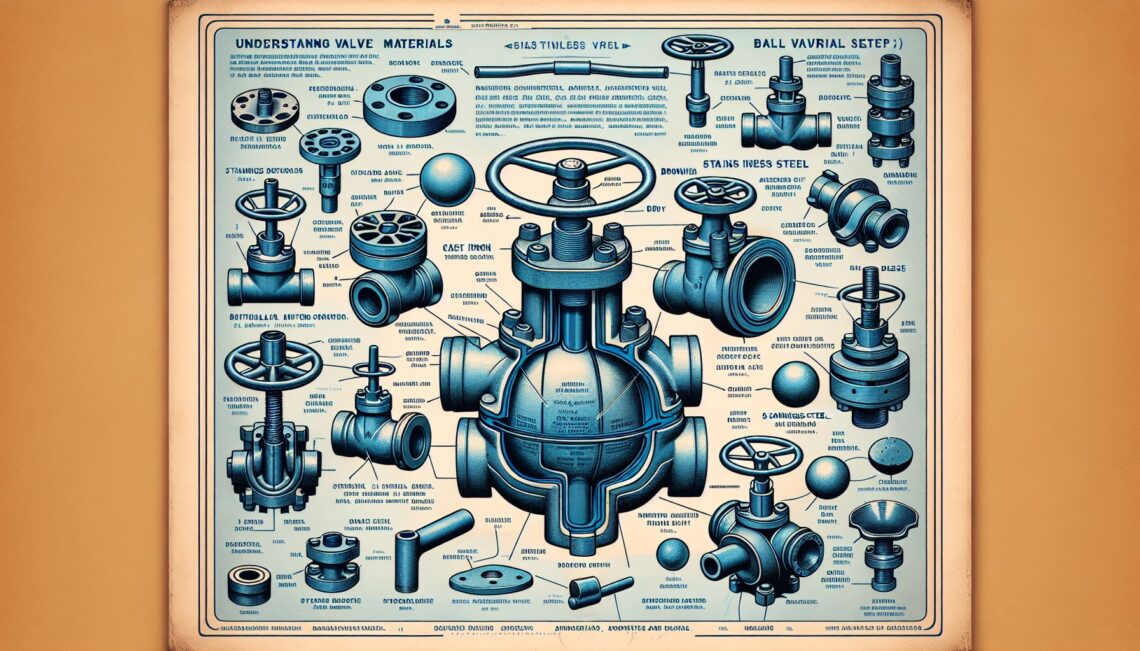
Understanding Valve Materials: An Insider’s Guide
In the world of operational and mechanical systems, few components are as critical or pervasive as the humble valve. Valves are in use everywhere, helping to achieve the precise levels of control required in different systems. They can be found in water pipes, air conditioning systems, engines, medical equipment – essentially, any system that involves fluid or gas movement.
Among many parameters significant to the functionality of a valve, one aspect crucial to both performance and durability is the material used in its design and construction. Different materials befit different conditions, where factors like temperature, corrosion, chemical compatibility, pressure, cost, and even availability shift the preference from one material to the other. This article seeks to explore the topic of valve materials, highlighting important considerations in the selection process.
Why Valve Materials Matter
Valve materials play a pivotal role in determining valve performance, durability, and cost. A psi rating (maximum pressure the valve can handle), temperature rating (the range of temperatures that the valve can operate in), chemical compatibility (the valves’ ability to function in various chemical environments), and corrosion resistance (ability to resist degradation due to chemical reactions) are all functions of the valve materials[^1^].
Some common materials used in valve construction include various grades of stainless steel, cast iron, brass, bronze, plastics, and more. Each material offers different advantages and presents certain limitations.
Selection Criteria for Valve Materials
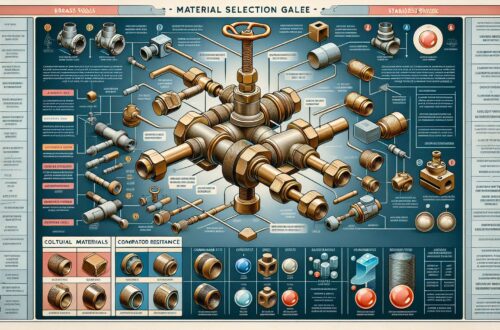
When selecting valve materials, the primary considerations should be the operational environment and functionalities expected from the valve – understood through different parameters:
-
Temperature: This criterion is significant with high-temperature operations, such as steam transport, chemical reactions, or heat exchanger systems. Some materials like brass and bronze may lose their mechanical strength under extreme temperatures.
-
Pressure: The maximum pressure a valve can handle is dependent on the material’s strength. Polymers and plastics, while cost-effective and corrosion-resistant, may not always be suitable for high-pressure situations.
-
Corrosion Resistance: An important factor while working with corrosive fluids, like acids and alkalis. Specific materials have better corrosion resistance. For example, stainless steel can withstand most chemical reactions, making it a favorable choice in such conditions.
-
Chemical Compatibility: Particularly crucial in industrial operations, where valves may come into contact with various chemicals. Material selection should include adequate consideration of the nature of the chemicals the valve might encounter.
Quick Guide to Valve Materials
Here are some general points to consider about the most commonly used valve materials:
-
Brass: With good thermal conductivity and corrosion resistance, brass is fit for applications like water supply systems, heating, and cooling systems. However, it’s not suitable for high-temperature applications[^2^].
-
Stainless Steel: Known for its excellent resistance to corrosion and high temperatures, stainless steel valves are ideal for applications in chemical, oil, and gas industries.
-
Cast Iron: Offering high heat resistance, cast iron finds usage in applications like radiators and hot water boilers. However, it is susceptible to rust and is not suited for high pressure or shock load applications.
-
Plastics: Plastic valves (like PVC, PVDF, or PTFE) are resistant to corrosion, lightweight, and cost-effective – making them ideal for domestic applications or mild industrial uses.
Final Thoughts
The selection of valve materials is a critical component in system design. An incorrect choice can lead to premature valve failure, system inefficiency, and safety hazards. However, by considering operational conditions, system requirements, and the properties of the available materials, engineers can ensure effective and durable valve installation.
Remember, the ideal valve material is always the one that aligns best with the specific requirements of your application. If you are uncertain about the best choice, seek expert advice from industry professionals or valve manufacturers. It’s always better to invest time in research than to deal with the aftermath of a poor decision.
[^1^]: Valve Material Types
[^2^]: Valve Material Selection