#**Understanding The Importance Of Valve Maintenance For Efficiency**
If you work in an industry that uses valves, you understand the critical role they play in managing processes. Valves control the flow and pressure of both liquid and gaseous materials. They are essential components that carry out various functions in different applications, such as petrochemical, food processing, and power generating companies. One significant aspect that is sometimes overlooked in valve utilization is valve maintenance. This article will delve into why valve maintenance is paramount for maintaining efficiency in various processes and giving pointers on how different types of valves are appropriately maintained.
The Crucial Role of Valves in Industries
Valves play a critical role in most industrial operations. They control the flow of material, ensuring the right quantity is delivered to the correct location at the right time. Valves also manage the pressure within systems to protect them from explosion or implosion due to extreme pressure variations. By ensuring that valves are in excellent working condition through regular maintenance, industries can prevent unexpected shutdowns and expensive repairs, resulting in more seamless operations and higher productivity.
Defining Valve Maintenance
Valve maintenance refers to a set of practices aimed at ensuring the optimal performance of a valve. It involves regular inspections, cleaning, and making necessary repairs or replacements. Valve maintenance exists in two main forms: preventive and corrective maintenance. Preventive maintenance involves routine inspection and servicing of valves to prevent potential system failures. On the other hand, corrective maintenance caters to the repair and replacement of broken or worn-out parts to restore a valve to its full operation.
The Importance of Valve Maintenance
Apart from ensuring that a valve system operates at peak performance, regular valve maintenance comes with numerous benefits. It eliminates the risks of valve failure, leading to system shutdowns that could result in operation losses. Regular valve maintenance also extends the lifespan of a valve, reducing the need for expensive replacements. It also ensures tighter seal control, essential in preventing leaks that could pose safety risks or environmental concerns.
Valve Maintenance Practices
Below are some of the key maintenance practices for various types of valves.
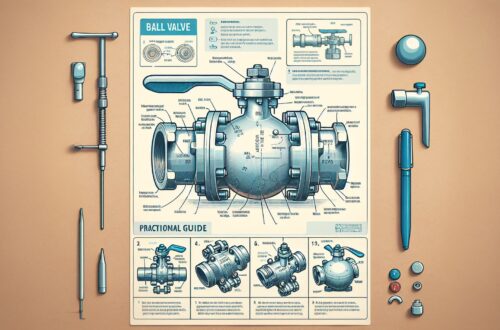
1. Ball Valves: Ensure regular cleaning of the valve to remove any accumulated dirt. Check for any leakage, cracks, or damage to the valve, and replace worn-out parts.
2. Butterfly Valves: Consistently lubricate the stem to help reduce friction and enable smooth operation. Inspect the seals for any signs of wear and tear and replace as needed.
3. Gate Valves: Regularly clean the gear housing area to remove any accumulated dirt or grime. Check for leaks around the valve stem and ensure that the gasket is correctly fitted.
4. Check Valves: Ensure the hinge pin and cap screws are tightly secured. Make sure the disk assembly swings freely for optimal performance.
Conclusion
Given the critical role of valves in various processes, it’s essential to adopt regular valve maintenance practices. Sufficient maintenance enhances the performance of valves, extending their life span and preventing unforeseen operation halts due to system failures. Regardless of the type of valve in use, maintenance is a necessary practice that should not be overlooked.
Sources