An In-Depth Exploration of Valve Materials: Selection, Functionality and Applications
Selecting the right valve for a particular application is vital to any system’s success. Crucial to this selection process is the proper understanding of the materials used in the construction of these valves – a topic we will deeply dive into in this article.
Understanding Valve Materials
A Valve is essentially a device that directs, regulates or controls the flow of a fluid (gases, liquids, fluidized solids, or slurries) by opening, closing, or partially obstructing various passageways. This critical role makes it mandatory for valves to be constructed from materials that will not only withstand the fluid’s pressure and temperature but also ensure compatibility with the fluid to prevent corrosion and potential failure.
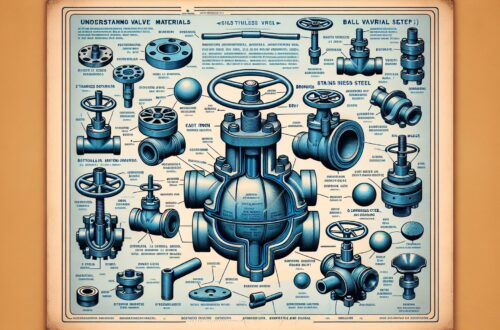
Valves are usually made from materials like plastics and metals. Metal valve materials include brass, bronze, iron (cast and ductile), carbon steel, stainless steel, and alloy steel. Plastic materials used to construct valves include PVC (polyvinyl chloride), CPVC (chlorinated polyvinyl chloride), PVDF (polyvinylidene fluoride), PFA (perfluoroalkoxy), and other specialized plastic materials.
Each of these materials has their strength and weaknesses and are suited for specific applications.
Factors Influencing Valve Material Selection
More often than not, the choice of valve material is influenced by several factors:
-
Type of Fluid: Different fluids possess various chemical properties; therefore, reactive fluids require a valve made of non-reactive materials.
-
Pressure & Temperature Rating: Some materials can withstand high pressures and temperatures better than others.
-
Cost: The cost of the material plays a significant role in the choice of the valve material.
-
Corrosion Resistance: Corrosive fluids demand valves made from corrosion-resistant materials.
The Functionality and Application of Different Valve Materials
Metals
-
Brass valves: Brass valves, made of a mixture of copper and zinc, are frequently used for residential and commercial plumbing applications. Brass is not only affordable but also highly durable, with a high melting point and the ability to resist corrosion.
-
Bronze valves: Bronze valves can withstand more abuse than brass valves. They resist abrasion and don’t create friction. They’re also great for handling the pressure in commercial systems and can handle a variety of fluids, including tap water and steam.
-
Iron valves: Cast iron valves are suitable for underground service lines. They have a high resistance to abrasion, so they’re great for wastewater and similar applications. Ductile iron has a great strength-to-weight ratio and is becoming a popular choice for heavy-duty in-ground installations.
-
Carbon steel valves: Carbon steel is a popular material for industrial applications. It’s durable, has excellent pressure resistance, and can withstand high temperatures. However, it can corrode in an oxygen-rich environment.
-
Stainless steel valves: Stainless steel offers exceptional corrosion resistance. It also maintains its mechanical qualities better than brass or bronze valves at high temperatures. However, it’s usually more expensive.
-
Alloy steel valves: Alloy steel is particularly useful in situations where corrosion resistance and durability under extreme conditions are crucial, such as power plants, chemical processing, and offshore applications. Varieties include chrome-moly steel.
Plastics
-
PVC valves: PVC valves are very resistant to corrosion and decay, making them ideal for draining applications and handling water-based substances.
-
CPVC valves: CPVC, a variant of PVC, can handle higher temperatures. It’s often used in hot water systems.
-
PVDF and PFA valves: PVDF and PFA valves are suitable for critical applications. PVDF offers good mechanical properties and chemical resistance. PFA, on the other hand, combines the properties of PTFE and other fluoropolymers, providing resistance to a wide range of chemicals and excellent high-temperature performance.
To conclude, the choice of valve material is a crucial decision that requires a comprehensive understanding of the system’s requirements, including the type of fluid being handled, the operating temperature and pressure, and the budget. With the right selection, an efficient, safe, and economically viable system can be established.
Sources: