Mastering the Basics: A Comprehensive Guide to Ball Valves
Valves are indispensable components of industrial and residential systems that control the flow of fluids. They come in a multitude of forms, each designed with a specific objective in mind. One common type, known for its versatility and efficiency, is the ball valve.
This detailed guide will explore every aspect of ball valves, from their basic structure and functionality to their diverse applications, potential challenges, and maintenance requirements.
Understanding Ball Valves
Ball valves are a type of quarter-turn valve, so named because they employ a hollow, pivoting ball to manage fluid flow. By aligning the holes in the ball with the pipeline, the valve opens to allow the fluid to pass. When the holes are perpendicular to the flow path, the valve is in a closed state, effectively blocking the fluid’s movement.
These are generally known for their reliability, long service life, and outstanding shutoff capability, making them an excellent choice for shutoff and control applications[^1^].
Structure and Components
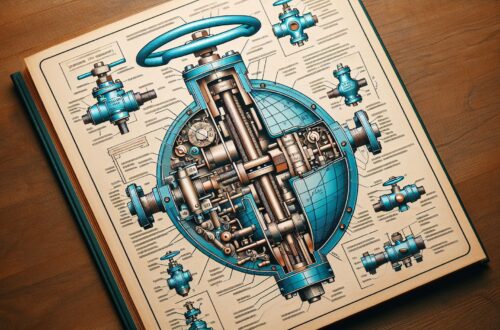
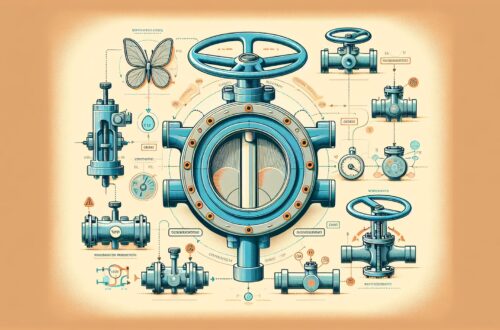
Though varying in terms of size, material, and purpose, all ball valves possess a common design. They primarily consist of the valve body, ball, valve stem, handle, and seats.
- Valve Body: This is the outer casing, responsible for holding all the internal components together. Its design and the materials used significantly influence the ball valve’s efficiency and durability.
- Ball: The central element for controlling the flow, the ball has an opening or port which, when aligned with the flow path, allows fluid passage. It is crucial that the ball is crafted from a material resistant to the flowing media for longevity.
- Valve Stem: The stem is connected to the ball on one end and the valve’s handle or actuator on the other. It is responsible for rotating the ball when the handle is turned.
- Handle: Typically manually operated, the handle provides the input to turn the stem and, subsequently, the ball inside the valve.
- Seats: These create a seal around the ball when the valve is closed, preventing any leaks or bypass flow.
Applications of Ball Valves
Ball valves find extensive usage due to their adaptability and performance. They are commonly utilized in a variety of industries, including oil and gas, chemical and petrochemical, and water and wastewater treatment[^2^].
For example, in the oil and gas sector, they are used in extraction and purification processes, gas storage, and pipeline transportation[^2^]. In the water treatment industry, ball valves assist in controlling the fluid flow at various stages, from raw water intake to final discharge[^2^].
Maintenance and Troubleshooting
Maintenance for ball valves is generally less intensive than other types due to their robust design. Regular inspections can help identify signs of wear early, extending their lifespan. Component replacements, like seat and seal changes, may need to occur occasionally.
However, ball valves can face issues such as leaks, difficulty in operating the handle, and reduced flow capacity. Many of these problems can often be attributed to factors like excessive temperature, pressure, or corrosive media, which can cause parts to wear out or break.
Conclusion
Ball valves, with their straightforward operation, high reliability, and versatile usage, have become an integral part of various industrial operations. Understanding their design, application areas, and potential challenges can aid in their efficient usage and effective maintenance.
Mastering the functionality and nuances of ball valves is essential for anyone involved in their selection, installation, or maintenance processes. With this comprehensive guide providing insights into ball valves’ basics and beyond, it is hoped that their effective utilization becomes a simpler task.
[^1^]: Manual of Valves and Actuators: Valves Manual International. (2009). Elsevier.
[^2^]: Valve Handbook. 3rd edition. (2010). Ph. LaNasa. McGraw Hill Professional.
Note: Always look for the appropriate safety guidelines and industry standards while handling industrial equipment such as ball valves.