A Comprehensive Guide to Valve Selection
Valves are integral components in a wide range of systems, from simple household water faucets to complex industrial processes. They control the flow and pressure of fluids, gases, and sometimes even solids, making them indispensable in numerous applications. This article provides an in-depth guide to valve selection, detailing the factors to consider, various types of valves and their applications, and the importance of valve selection in system performance and cost-efficiency.
Valve Selection: Why it Matters?
Valve selection is crucial in designing and operating any process that involves controlling the flow and pressure of a medium. The appropriate valve can optimize the system’s performance, ensure safety, and enhance cost-effectiveness. Moreover, with numerous types of valves available, selecting the most suitable one requires careful consideration of various factors, including the medium’s nature, process conditions, and system parameters.
Factors to Consider in Valve Selection
Nature of the Medium
The medium’s nature is the primary factor in valve selection. For instance, corrosive fluids require valves constructed with corrosion-resistant materials like stainless steel or lined with polytetrafluoroethylene (PTFE). For viscous mediums or those with solid particulates, full-bore valves like a ball or gate valves would be appropriate to prevent clogging.
Operating Conditions
Process variables such as pressure, temperature, and flow rate significantly influence valve selection. High-pressure systems necessitate the use of high-pressure valves, which can withstand extreme forces. Temperature extremes also require valves made with materials capable of enduring these conditions. The desired flow rate determines the valve size.
System Requirements
System requirements, including fail-safe operation, noise limits, and specific control needs, also guide valve selection. For systems requiring rapid shutdown in emergencies, quarter-turn valves such as ball valves or butterfly valves are a preferred choice due to their quick action. If noise reduction is crucial, selecting valves designed to minimize noise, such as globe valves, would be advantageous.
Cost and Maintenance
Although essential, cost should not be the leading factor in valve selection. High-quality valves might entail higher upfront expenses but could save substantial costs in the long term owing to their durability and reduced maintenance. Additionally, easy accessibility and availability of spare parts should be considered for convenient maintenance and repairs.
Types of Valves
There’s a wide range of valve types available, each with its unique strengths and applications.
Ball Valves
Ball valves are quarter-turn valves featuring a ball-shaped disc with an axial hole. They offer good sealing performance, making them suitable for gases and liquids, including corrosive ones. They’re also used for high-pressure and high-temperature applications.
Butterfly Valves
Butterfly valves, another quarter-turn variety, have a disc pivoted in the center. They are light and compact, ideal for regulating flow in large pipes. Their applications range from water distribution to chemical processing.
Globe Valves
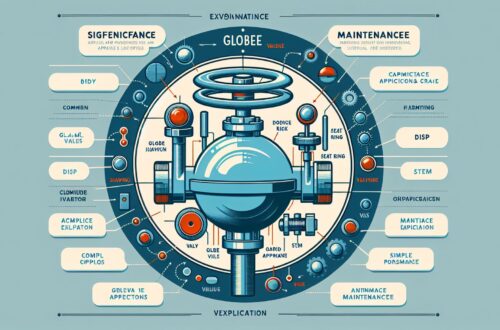
Globe valves are linear motion valves well-suited for throttling applications due to their good sealing performance. They’re used in temperature and pressure regulation, notably in steam systems.
Gate Valves
Gate valves, known for their minimal pressure drop, are used primarily as shutoff valves in full-open or full-close situations. They are unsuitable for throttling because the high fluid velocity can erode the partially opened gate.
Check Valves
Check valves allow flow in only one direction, preventing flow reversal. They are used in pump and compressor discharge, safety, and cooling water systems.
Implementing the correct valve can optimize system performance, ensuring efficiency, reliability, safety, and longevity. Consequently, valve selection merits a careful understanding of the valve types, their strengths, and drawbacks, and their suitability to specific applications and operating conditions.
The right balance of cost, performance, safety, and life-span should guide the selection process. When in doubt, it is advisable to consult with valve manufacturers or specialists to ensure the correct choice.
Sources
-
M. S. Krishnan, J. K. Nayak, and K. M. Pandey, “A decision-making framework for the analysis of stress concentration factor and structural reliability of thick-walled pressure vessels and piping components,” Materials & Design, vol. 30, no. 1, pp. 35-49, 2009. Link
-
I. V. Kurchatov, “Sizing control valves for two-phase flow,” Hydrocarbon Processing, vol. 62, no. 8, pp. 45-47, 1983. Link
-
L. Wang, Y. Peng, C. Li, and B. Luo, “Research on the Selection of Control Valve under High Pressure Drop Condition,” Procedia Engineering, vol. 18, pp. 312-317, 2011. Link