Understanding Valves: An In-depth Guide to Valve Materials
Valves are essential components in various systems like heating and cooling, wastewater treatment, and oil and gas production. They play a crucial role in controlling the flow of fluids and gases. Among the primary factors that gauge the quality and efficiency of a valve is the kind of material used to construct it, often collectively referred to as “valve materials.” This comprehensive guide will focus on helping you understand what valve materials are, their importance, how they are chosen, and how they affect the performance of valves in various industries.
What are Valve Materials?
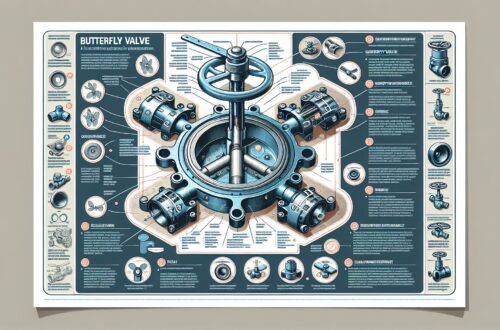
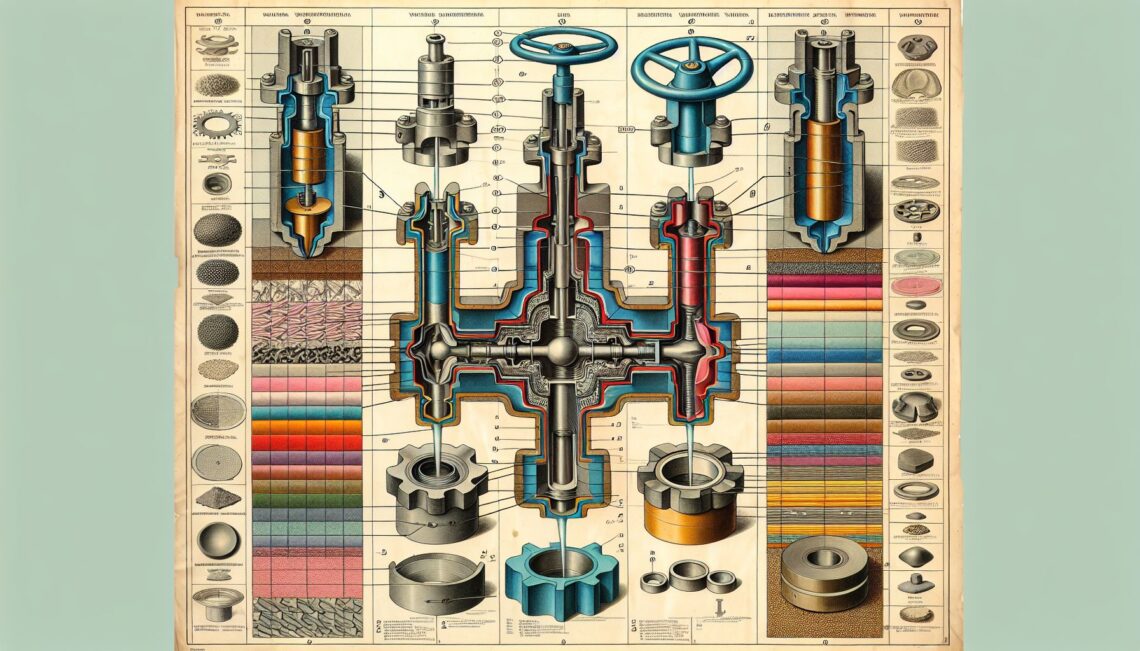
Valve materials refer to the various elements and compounds that make up a valve. From its body to the trim, components such as the stem, bonnet, handwheel, disc, and seat are made using different materials to suit operating conditions, pressure, and temperature ranges, handle the fluid passing through the valves, and to ensure durability and extended lifespan.
Importance of Choosing the Right Valve Materials
Choosing the correct valve material is a crucial aspect of valve selection. Here’s why:
- Performance and Durability – Valves made from suitable materials can perform optimally and withstand high pressures & temperatures without damage or failure.
- Corrosion Resistance – Certain materials can resist corrosion from harsh substances, thereby increasing the life of valves.
- Chemical compatibility – The valve material should be compatible with the substances flowing through it to ensure smooth operation.
- Cost-effectiveness – Using the appropriate material also means cost-effectiveness in the long run as it helps reduce the frequency of valve replacements.
Common Types of Valve Materials and Their Applications
In general, there are various types of valve materials, including but not limited to:
- Steel – Common forms include carbon steel and stainless steel. Carbon steel has high strength and durability, excellent for high-pressure and high-temperature applications. Stainless steel, on the other hand, is often used in food, pharmaceutical, and chemical industries because of its corrosive resistant properties.
- Cast Iron – Is economical and has good resistance to abrasion, making it great for water, steam, gas, and oil services.
- Brass and Bronze – They’re known for good corrosion resistance and are often seen in residential plumbing systems.
- Alloy – These are used for special applications that require higher resistance to heat and corrosion.
- Plastic – It’s ideal for corrosive and ultra-pure liquids. PVC and PVDF are often used for the construction of plastic valves.
Factors to Consider When Choosing Valve Materials
Understanding the factors that affect the choice of valve materials is critical:
- Operating Temperature – The valve material should withstand the highest and the lowest possible temperatures in the system.
- Operating Pressure – Similar to temperature, the material should also endure the maximum possible system pressure.
- Corrosive Nature of the Fluid – The valve material should resist the corrosive effect of the fluid flowing through it.
- Abrasion Resistance – Abrasive fluids can wear out the valve material. Hence, materials with high abrasion resistance should be considered.
- Cost – Although a costly, high-quality material might seem unnecessary, it could save more in the long run, preventing frequent replacements and damages.
Conclusion
Valves play indispensable roles in various industries, and the right choice of valve material significantly influences their performance and longevity. By considering the operating conditions and the nature of the fluid, we can select the most appropriate materials that increase efficiency and cost-effectiveness.
References