A Comprehensive Guide to Butterfly Valves: Operation, Selection, and Maintenance
Butterfly valves are a critical component in various industrial applications due to their fast actuation and simple design. They play a significant role in the regulation and control of the flow of fluids within pipelines. This comprehensive guide explains the operation, selection, and maintenance of butterfly valves to deepen your understanding and ensure effective use.
Overview of Butterfly Valves
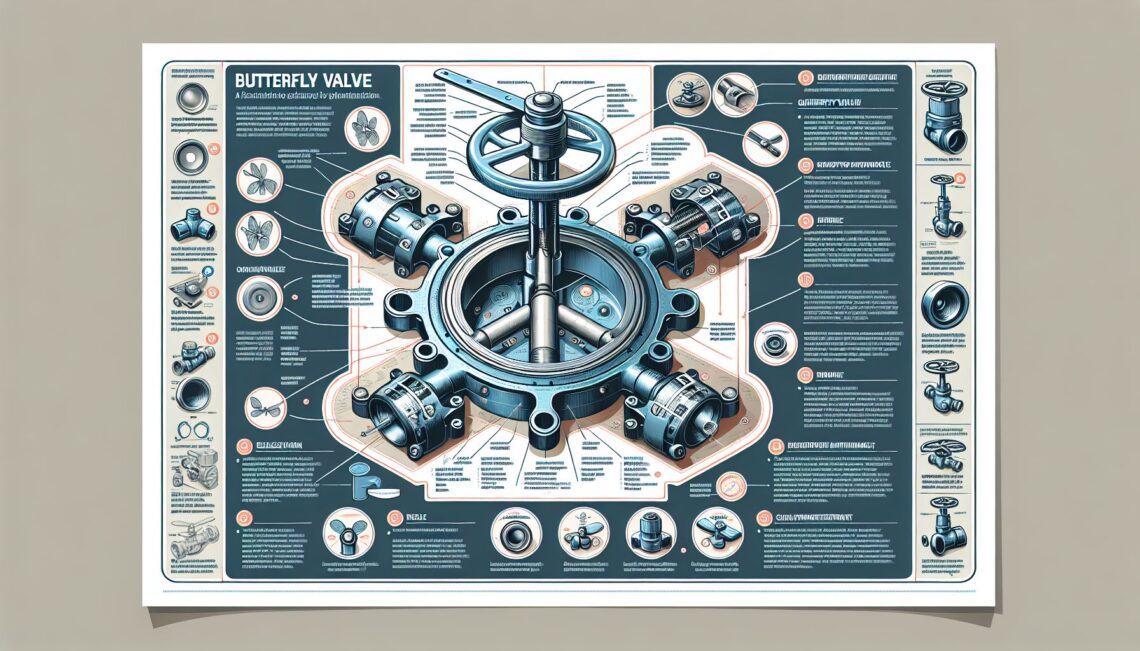
A butterfly valve functions by rotating a disk mounted on a rod within the valve body, akin to how a butterfly flaps its wings (hence the name). The disk rotates 90 degrees, enabling it to either completely block the path of the fluid or allow it to flow unrestricted [1]. Depending on the actuator’s design, the disk’s position can be altered to control the fluid flow rate.
Butterfly Valves Operation
Unlike other types of valves that rely on multiple parts, a butterfly valve’s operation is straightforward due to its easy-to-understand and minimalist design. The disc, the valve’s primary component, is attached to an actuator. As the actuator turns in response to applied pressure, it rotates the disc by 90 degrees into or out of the fluid flow [1]. There are three main types of butterfly valve designs, including concentric, double-eccentric, and triple-eccentric designs, each with a different application scope.
Selecting Butterfly Valves
When selecting a butterfly valve, several factors need to be taken into consideration. Firstly, the type of fluid and its flow requirements heavily influence the type of valve you choose. Second, the valve materials must resist the fluid’s corrosion and temperature effects. Lastly, the operational pressure and temperature range must align with the valve’s specified limits [2].
Maintenance and Troubleshooting
Timely and effective maintenance ensures the longevity and proper functioning of butterfly valves. Regular inspection for signs of wear and tear, leakage, and other operational issues is a must. If the valve isn’t operating correctly, troubleshooting could involve replacing worn-out parts, addressing leaks with new seals, or in extreme cases, replacing the entire valve [3].
The process of maintaining butterfly valves is complex and requires a deep understanding of their operation and the issues that might crop up. Therefore, this guide is best suited for those with a basic understanding of mechanical systems and the proper safety precautions required when working with industrial equipment.
Sources
- Valve Manufacturers Association of America. (n.d.). Butterfly Valves. Retrieved from https://www.vma.org/page/ButterflyValves
- Engineering Toolbox. (2005). Butterfly Valves. Retrieved from https://www.engineeringtoolbox.com/butterfly-valves-d_494.html
- Valve Magazine. (2018). Keeping Your Butterfly Valve in Tip-Top Shape. Retrieved from https://www.valvemagazine.com/magazine/sections/features/9533-keeping-your-butterfly-valve-in-tip-top-shape.html