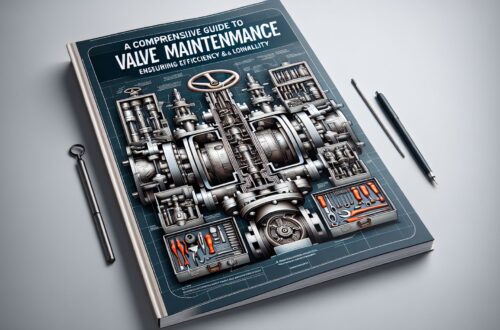
Gate Valves: An In-Depth Exploration of Handling Flow Control
Gate valves, also known by their more colloquial term “sluice valves,” are widely regarded as the go-to for a wide variety of applications, and for a good reason. These valves are dashingly effective at controlling the flow of liquids. This in-depth article will delve into the inner workings of gate valves, their various applications, structure, potential problems, and even how to maintain them.
What is a Gate Valve?
In its most fundamental understanding, a gate valve is a kind of valve that uses a gate to control the flow of fluid. It functions by entirely blocking the pathway of the liquid, thus effectively stopping the flow. This simple yet effective design has made it an immensely popular choice in a number of different domains including home plumbing, pharma businesses, and the oil and gas industry.
One of the unique attributes of gate valves is their ability to offer unobstructed flow of the medium when fully opened. Additionally, the pressure drop across the valve is minimal[^1^].
Types of Gate Valves
Gate valves come in a variety of configurations. The four most common types of gate valves include:
- Parallel Gate Valve
- Solid Wedge Gate Valve
- Flexible Wedge Gate Valve
- Split Wedge or Double Disk Gate Valve
Each of these types provides its own unique sets of benefits when dealing with different media, pressures, and temperatures.
The Structure of Gate Valves
Gate valves boast a relatively simple structure which is divided into parts such as the body, bonnet, gate, seat, stem, handwheel, and other auxiliary parts. The crucial components of a gate valve—the body and bonnet—vary in terms of their design. They can be either bolted, screwed, or welded together, directly influencing the pressure that the valve can withstand[^1^].
Applications
Given their design, gate valves serve remarkably well in a variety of different contexts, but they particularly excel when it comes to handling crude oil, varnish, sludge, and other viscous fluids. Besides, in industries where minimum pressure loss is crucial, like the petrochemical industry, gate valves are unrivaled[^2^].
Potential Problems and Maintenance
As with any piece of hardware, gate valves may run into a few problems. Leakage, continues operation under high pressure, and violent vibration are common problems associated with gate valves. Regular maintenance and checkups are, therefore, crucial to ensure that your gate valves continue to serve their purpose[^3^].
Conclusion
Gate valves, with their simplicity in operation and versatility in usage, clearly deserve the popularity they enjoy across various industries. Understanding their functioning, maintenance requirements, and potential problems can help us use this technology to its utmost potential.
References
[^1^]: IndustrialSpec, Gate Valves Selection Guide, https://www.globalspec.com/learnmore/flow_transfer_control/valves/gate_valves
[^2^]: Assured Automation, Gate Valves vs Ball Valves, https://assuredautomation.com/news-and-training/gate-valves-vs-ball-valves/
[^3^]: Valve Magzine, Maintaining Gate Valves in Viscous applications, http://www.valvemagazine.com/magazine/sections/features/9749-maintaining-gates-in-viscous-applications.html