A Comprehensive Guide on Solenoid Valves: Selection, Functionality, and Maintenance
In the encompassing domain of engineering and automation, solenoid valves have been an instrumental component, ensuring meticulous regulation and control of fluids. With their indispensable value across various industries, such as oil and gas, food processing, pharmaceuticals, and water treatment, understanding their operations, selection, and maintenance is fundamental. This article provides an in-depth look at these aspects to offer a complete understanding of solenoid valves.
What are Solenoid Valves?
A solenoid valve is a type of electromechanically operated device used to control the flow of liquids or gases. Its operation is triggered by the activation or deactivation of an electric current in the solenoid— a coil of wire wound into a tightly packed helix. The change in the electric current prompts a magnetic response, which in turn opens or closes the valve. This robust design makes them suitable for many applications[^1^].
Types of Solenoid Valves
Solenoid valves come in several types, including direct-acting, pilot-operated, two-way, three-way, and four-way valves. The selection of the correct valve type hinges on the process requirements and the nature of the fluid being controlled. Direct acting valves are ideal for low flow applications, while pilot-operated valves perfectly suit high flow applications. On the other hand, multi-way valves (three-way and four-way) are often used in systems requiring more complex flow control[^1^].
Selection of Solenoid Valves
Selecting the ideal solenoid valve that aligns with your specific use-case relies on various factors. These encompass the nature of the media (liquid or gas), port size, flow rate, pressure range, temperature conditions, and power supply constraints. Importantly, the type and material composition of the valve should also be considered to ensure optimal performance and longevity[^2^].
How do Solenoid Valves Function?
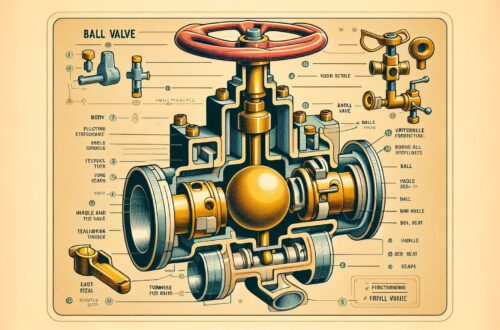
The solenoid’s operation is primarily governed by basic principles of electromagnetism. When a current passes through the solenoid coil, a magnetic field is generated. This magnetic field acts on a magnetic plunger, causing it to either close or open the valve. The valve returns to its original position when the current is switched off. The precise and rapid control offered by solenoid valves makes them exceptionally efficient[^3^].
Maintenance of Solenoid Valves
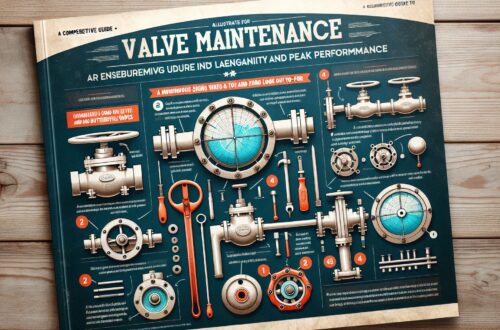
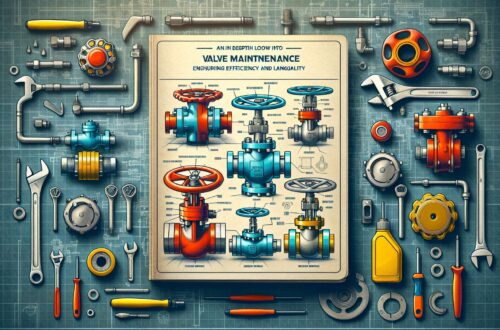
Regular maintenance is crucial for ensuring the long-term performance of the solenoid valves. The proper maintenance procedure encompasses routine inspection, cleaning, and replacement of worn-out parts. Lubrication is yet another essential aspect, aiding in reducing friction and enhancing the valve’s durability[^2^].
However, the maintenance activities should be carried out considering the manufacturer’s guidelines and industry best practices. Safety procedures like de-energizing and isolating the valve from the power supply should also be strictly adhered to during maintenance[^3^].
Final Remarks
In hindsight, the profound role that solenoid valves play in a host of systems and applications underscores their importance. By understanding the above-discussed aspects around solenoid valves’ functionality, selection, and maintenance, one can optimize their use, deriving maximum efficiency, and economic value. Solenoid valves continue to serve as a significant paradigm of ingenious engineering and automation, integral to the undulating progress of different industries.
[^1^]: Emerson. (n.d.). Solenoid Valves. Retrieved from https://www.emerson.com/en-us/automation/valves-actuators-regulators/solenoid-valves
[^2^]: ASCO. (n.d.). How to Select a Solenoid Valve for Operating a Shutoff Valve. Retrieved from https://www.asco.com/en-us/Pages/solenoid-valve-selection-guide-operating-shut-off-valve.aspx
[^3^]: Parker. (n.d.). Solenoid Valve Maintenance. Retrieved from https://www.parker.com/literature/Parker%20and%20Pneumadyne/Literature/Pneumatic%20and%20Automation/Solenoid%20Valve%20Maintenance.pdf