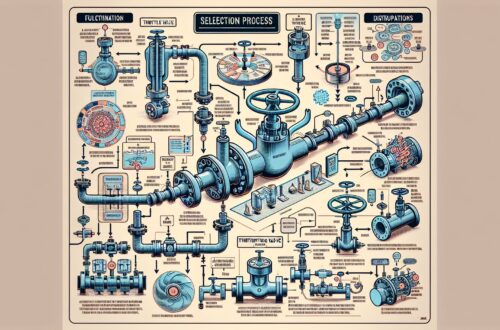
The Art of Valve Selection: Ensuring Performance & Longevity
Choosing the right valve for a specific application is no simple task. It requires profound knowledge and careful consideration of various factors such as valve types, materials, sizing, pressure and temperature ratings, chemical compatibility, and more. This article will walk you through the process, illuminating the key aspects of valve selection to ensure high performance and longevity of your fluid system.
Types of Valves
The first step in valve selection is understanding different types of valves. Each type has its unique set of features and is suitable for specific applications:
-
Ball valves are known for their durability and excellent shutoff capabilities. They’re ideal for applications requiring tight sealing.
-
Butterfly valves are best suited for systems involving large flow rates. Their compact design and quick operation make them a popular choice in many industries.
-
Gate valves offer minimal flow resistance and are commonly used when unrestricted flow of fluid is needed.
-
Globe valves excel at throttling applications thanks to their superior flow regulation characteristics.
Acknowledging the vast variety in valve types is crucial for selecting the right one for your needs[^1^].
Valve Materials
Material selection is equally crucial. The valve material must resist the fluid’s corrosive effects and withstand the process’s temperature and pressure.
Commonly used materials include:
-
Stainless Steel: Resistant to corrosion and high temperatures, making it ideal for a broad range of applications.
-
Brass: Known for good conductivity and resistance to corrosion by water.
-
Plastic: Excellent for applications involving corrosive fluids, but with limitations in temperature and pressure tolerances.
Valve Sizing and Ratings
Choosing the right valve size is not just about matching the valve’s physical dimensions with the pipe. Proper valve sizing should coincide with the flow requirements of the process. The valve should neither be too large, which would induce vibration and wear, nor too small, restricting the flow.
For pressure and temperature ratings, a valve should comfortably handle the maximum process pressures and temperatures it might encounter in service[^2^].
Chemical Compatibility and Other Considerations
It is essential to ensure that the valve material is compatible with the process fluid. Some materials may be resistant to one chemical but extremely vulnerable to another.
Other crucial factors to consider in valve selection include:
-
Flow Control: Valves like globe and needle excel in this area because of their sophisticated design.
-
Pressure Control: Pressure relief valves are your best bet when it comes to maintaining a consistent system pressure.
-
Isolation: When absolute shutoff is required, ball valves and gate valves come in handy due to their reliable sealing capabilities.
Conclusion
Valve selection can have a pronounced impact on the efficacy and longevity of a fluid management system. By carefully considering all the factors mentioned above, you can optimize your system’s performance and safeguard its functionality over the long-term. It is advisable to consult with experts or refer to industry standards when in doubt or dealing with complex systems[^3^].
[^1^]: “Control Valve Basics: Sizing and Selection.” Course, IDC Technologies.
[^2^]: “Selection and Sizing of Air Release Valves.” White Paper, FreeWave Technologies.
[^3^]: “Guide to Selecting the Right Valve Design.” White Paper, Valve Manufacturers Association of America.
Please note: This content is a general guideline only and not intended to replace the need for professional engineering advice nor used to make decisions about the specific suitability, feasibility, or applicability of any valve.