Ball Valves: A Comprehensive Guide to One of The Most Essential Industrial Components
The world of valves is vast and varied. There are numerous types of valves, each serving unique purposes in a wide range of applications. In this article, to focus our attention on one type, we’re going to delve into the critical world of ball valves. You might not realize it, but you likely encounter ball valves in your everyday life more often than you think.
What Are Ball Valves?
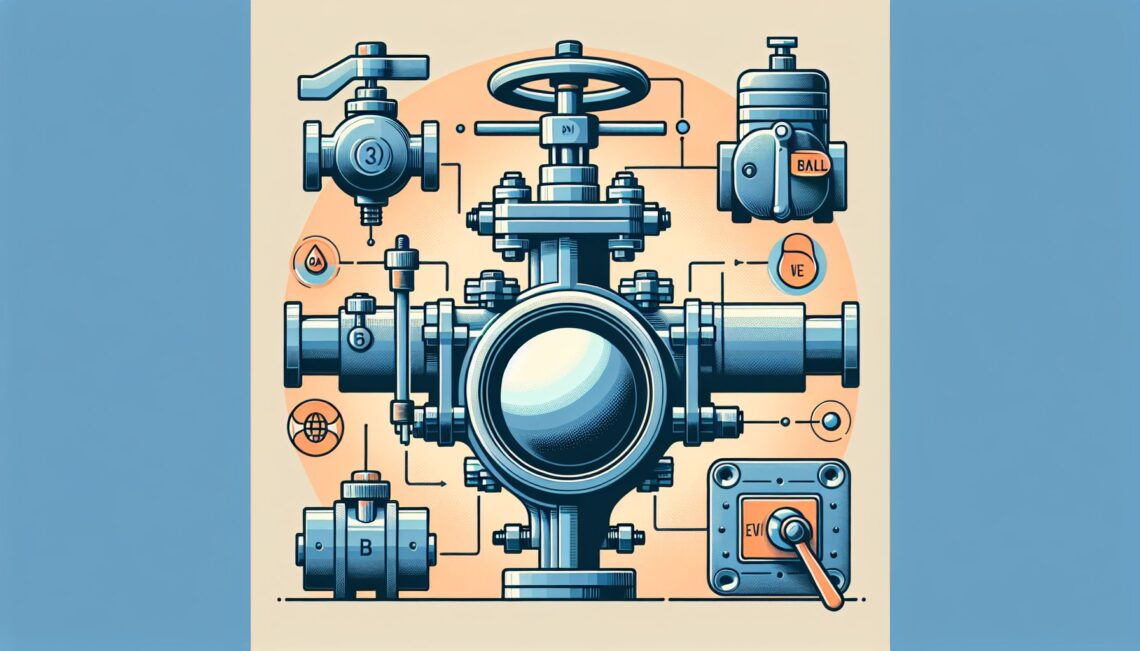
Ball valves, named after their ball-shaped disc, are a kind of quarter-turn valve that control the flow of a liquid or gas by rotating the ball with a hole drilled in the middle. This rotation allows the media to pass through when the valve is open and blocks it when the valve is closed.
When you turn the handle of your garden hose on or off, you’re using a ball valve. They are common in various household applications, but they are also critical in many industrial settings. From the gas your stove uses to cook dinner, to oil pipelines crisscrossing the country, ball valves help regulate the essential resources we often take for granted.
How Do Ball Valves Work?
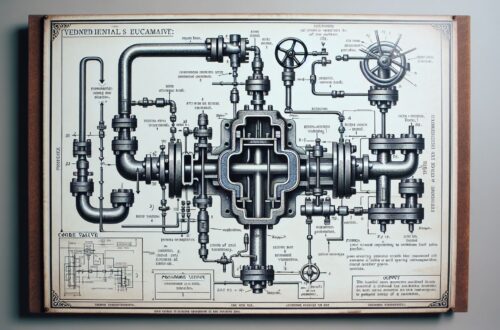
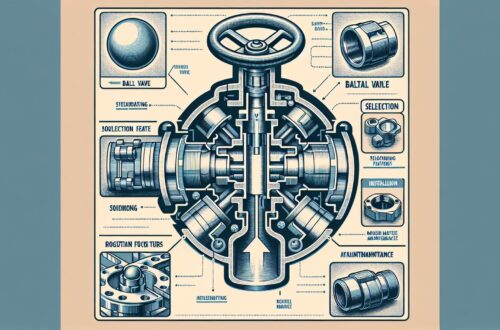
The functioning of ball valves is pretty straightforward. They have a spherical disc (the ball) with a port, or bore, through the middle. When the bore aligns with the pipeline, fluid can flow freely. But when the ball is rotated so that the bore is perpendicular to the flow, the valve is sealed, and no fluid can pass through.
One significant advantage of ball valves is that they provide a tight seal, even after long periods of disuse, making them excellent for shutoff applications.
Different Types of Ball Valves
There are basically three major types of ball valves – full port, reduced port, and V port. These types have different ports and valves sizes which allow different amounts of fluid to pass through. The choice of ball valve type depends mainly on the pressure drop acceptable for the particular application.
Applications of Ball Valves
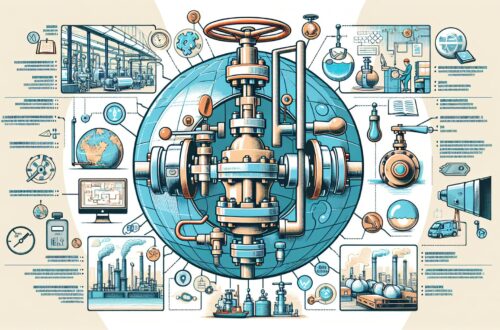
Ball valves find use in an array of applications across numerous industries. They are ideal for applications requiring tight shutoff, such as in gas and other high-flow applications. Ball valves are also used in high-pressure environments because of their robust and durable design.
Advantages and Disadvantages
Ball valves have several advantages such as:
- High durability
- Ability to function perfectly after long periods of inactivity
- They provide tight sealing with low torque
However, they also have their disadvantages:
- Unable to provide detailed flow control
- Can create additional pressure and blockage due to the valve’s design
- Not suitable for throttling applications
Ball Valves Materials
Ball valves can be made from numerous materials, including brass, bronze, cast iron, stainless steel, plastic, and more. The choice of material depends on the application the valve is meant for and the type of fluid it will control.
In Conclusion
In the world of valves, the ball valve is definitely among the versatile and most critical options. Its broad range of uses, from the gas valve on your stove to large industrial applications, only underscores its importance. Although it has its limitations, its high durability and the tight seal it provides make it the valve of choice in various applications.
There’s a reason ball valves are so widespread — they’re simple, they’re durable, and they do their job well. Regardless of whether you’re an engineer, a manufacturer, or just a curious reader, it’s hard not to appreciate the understated workhorse that is the ball valve.
Sources: