Gate Valves: A Comprehensive Guide to Selection, Installation, and Maintenance
Valves serve as indispensable components in different industries. Their primary function is to control the fluid flow within a system or a machine. Among the numerous types of valves available in the market, one of the most common and widely used is the gate valve. This piece will provide a comprehensive guide on gate valves – its selection, installation, and maintenance.
What are Gate Valves?
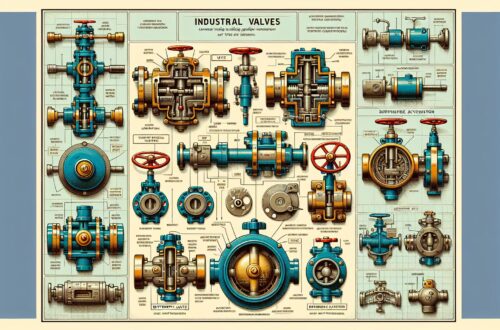
Gate valves, as their name suggests, function like a gate. They have a gate-like disc and two seats to control the flow of liquids. They are mainly used in the off-on condition and not adopted for regulation or throttling of the flow. This is because the high flow velocity can cause damage with the valve fully open or closed (Valve Manufacturers Association of America).
When a gate valve is fully open, it provides less obstruction to the passage of fluid. This characteristic helps prevent pressure loss. Gate valves can be installed in various ways: horizontally, vertically, or obliquely, with the flow direction being either way.
Selection of Gate Valves
Choosing the right type and size of the gate valve is critically important to its functionality and longevity. Before making a selection, consider the following:
-
Pressure and Temperature: Gate valves should be selected based on the pressure and temperature of the fluid it will handle.
-
Size: Gate valves come in various sizes. The size selected should be concordant with the internal diameter of the pipe in which it is to be installed.
-
Material: Gate valves are made from numerous materials. The choice should be dictated by the type of fluid the valve will control.
-
End Connection: Different gate valves have different end connections, like flanged, screwed, and welded. The choice of end connection should be dictated by the intended application of the valve.
-
Operation: Depending on the requirement, choose from manual or automated gate valves. Manual gate valves are operated using a handwheel. Some larger valves might require a gear assembly. Automated gate valves usually use an electric, hydraulic, or pneumatic actuator (Engineering Circle).
Installation of Gate Valves
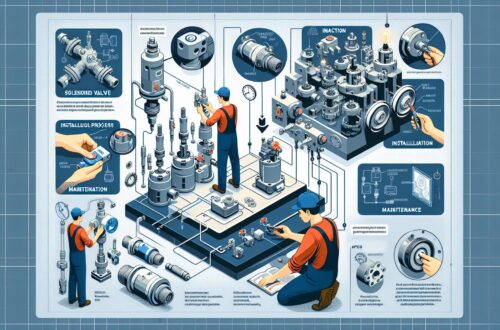
Once the selection is made, the next step is the installation of the gate valve. Follow these steps for successful installation:
-
Inspection: Before installing, perform a thorough inspection of the gate valve. Confirm if it’s in good condition and free from any damages. Inspect the valve bore to ensure it’s clean and unobstructed.
-
Orientation: Now, place the valve in the pipeline. The yoke or bonnet of the gate valve should be in the upright position.
-
Alignment: Align the valve properly with the pipeline. Always abide by the manufacturer’s instructions at this stage.
-
Bolting: Finally, bolt the valve to the rest of the piping system.
While installing the valve, make sure you do not apply excessive force or stress that can damage the valve or pipeline.
Maintenance of Gate Valves
Even though gate valves are renowned for their durability, routine maintenance is needed:
- Regularly inspect the valve for any signs of leaks or wear and timely address any such issues.
- Lubricate the valve stems routinely to ensure smooth operation.
- Regularly test the valve’s function to ensure it’s operating effectively.
In case a gate valve fails, it can usually be repaired instead of being replaced. However, the repair should only be done by trained professionals to prevent further damage.
Conclusion
In conclusion, gate valves are a robust solution with a wide range of applications. Their selection involves careful consideration of the pressure and temperature of the fluid, the size and material of the gate valve, its end connections, and its operation. Furthermore, proper installation and regular maintenance are key to their long lives and efficient operation.
References