A Comprehensive Overview of Gate Valves
Gate valves are an essential part of many fluid-controlling systems. They provide a useful mechanism for controlling fluid flow in a pipeline, acting as a gate – open for fluid passage and closed to stop flow. This article seeks to give an exhaustive overview of gate valves, explaining their workings, applications, types, and maintenance procedures.
What is a Gate Valve?
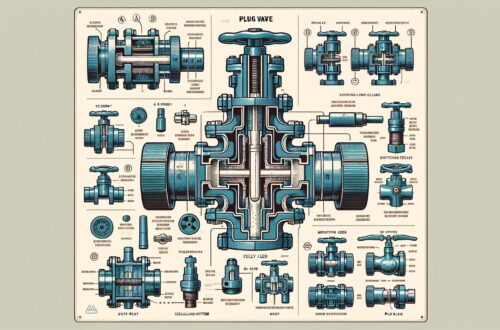
A gate valve is a type of valve that uses a gate or wedge to control the fluid’s flow in a pipeline. This valve opens by lifting a gate or wedge out of the fluid path and closes by lowering the gate. Gate valves serve one primary purpose – isolation. They allow for complete shutoff when needed, making them excellent choices for mainline and branch shutoff applications[^1^].
Though not designed for regulating fluid flow, gate valves will work perfectly in systems where flow variation isn’t often required.
Types of Gate Valves
Different designs and types of gate valves are specifically built for certain applications. Some common types include:
-
Solid Wedge Gate Valve: The simplest and most common type, the solid wedge gate valve features a solid wedge that moves upward and downward to control fluid flow.
-
Split Wedge Gate Valve: This valve involves a gate split into two flexible pieces that adjust to variations in the pipeline. It’s mainly used in service lines with thermal variation.
-
Parallel Slide Gate Valve: In this type, two parallel disks slide up and down to control flow. They are used in high-temperature and high-pressure applications where tight sealing is crucial[^2^].
Gate Valve Applications
While gate valves serve primarily isolation functions, they come in handy for various applications. Here are some notable uses:
- In pipeline systems that require pigging due to the full opening that provides a straight line flow of fluid.
- In shutoff applications, they function exceptionally well when used infrequently.
- At hoisting devices in sluice gates, where they control the fluid level and flow rates.
However, note that gate valves aren’t suitable where a quick shutoff is required.
Maintaining Gate Valves
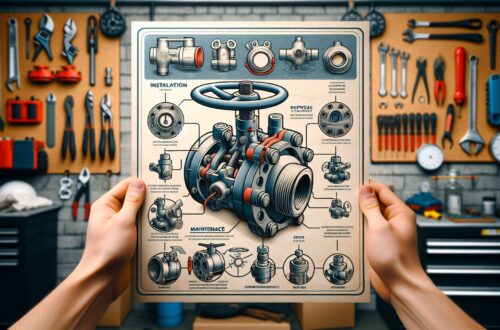
Maintenance is crucial for the efficient operation of a gate valve. Procedures include:
- Regular cleaning of the valve and its parts.
- Routine inspection for valve leaks and issues with the valve’s stem operation.
- Checking the seal and packing, ensuring they are not worn out or damaged[^3^].
Never ignore a malfunctioning gate valve. Take immediate action to repair or replace a faulty valve, as a defective valve can negatively impact the entire pipeline system.
In conclusion, gate valves play a vital role in controlling fluid flow in many industries, from oil and gas to wastewater treatment. Understanding the functioning, types, applications, and maintenance procedures of gate valves allows for their optimal use and longevity.
[^1^]: Gate Valve Basics
[^2^]: Types of Gate Valves
[^3^]: Valve Maintenance
Valve Selection Efficiency
When it comes to valves (gate valves included), one cannot stress enough the importance of proper valve selection. The correct valve choice is integral to the cost-effective and efficient operation of a pipeline system. It significantly impacts the system’s performance, maintenance frequency, and operating cost.
Considering Valve Selection
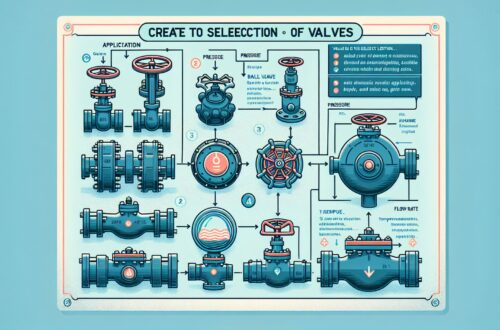
Valve selection is not a trivial process, and it requires detailed consideration of several factors:
-
Fluid Nature: Fluid properties like corrosion, toxicity, viscosity, and temperature have to be looked into. They determine the material choice for the valve and seating.
-
Valve Function: Whether a valve is meant for isolation, control, prevention of backflow, drain or vent impacts the type of valve selected. A gate valve, for instance, fits perfect for isolation functions.
-
System Parameters: The operating pressure, temperature, required flow rate, and possible alterations in operating conditions guide the valve size and type for the system[^1^].
A Guideline for Valve Selection
Following a structured process can help in selecting the correct valve:
-
Understanding System Requirements: Detail the system’s demands, then use these requirements to guide your valve selection process.
-
Researching Manufacturers: Look for reputable manufacturers who produce the type of valve desired. Consider factors like pricing, lead time, product range, and after-sales support.
-
Designing for Safety: Ensure that the selected valve can handle the maximum system pressure and temperature. Besides function and cost, safety should be a priority.
-
Choosing Valve Materials: Select valve materials based on the fluid’s nature and the operating conditions. Using corrosion-resistant materials can significantly increase the valve’s lifespan.
-
Sizing Correctly: Undersized or oversized valves often lead to numerous issues from accelerated wear to noise and cavitation. Calculating the valve size accurately is hence crucial[^2^].
By focusing on valve selection, we can significantly improve the functionality and efficiency of any fluid-controlling system.
[^1^]: Informed Valve Selection
[^2^]: Guidelines for Valve Selection