The In-Depth Guide On Ball Valves: Importance, Applications, and Maintenance

Ball valves, a type of control valves, are often overlooked in the grand scheme of industrial operations, but their role is absolutely vital. Let’s delve into the fascinating world of ball valves, exploring their relevance across various processes, construction, and most importantly, their maintenance.
So, What’s A Ball Valve?
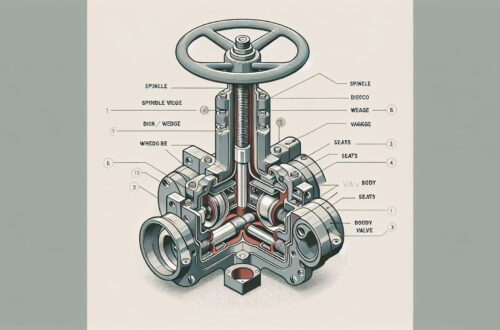
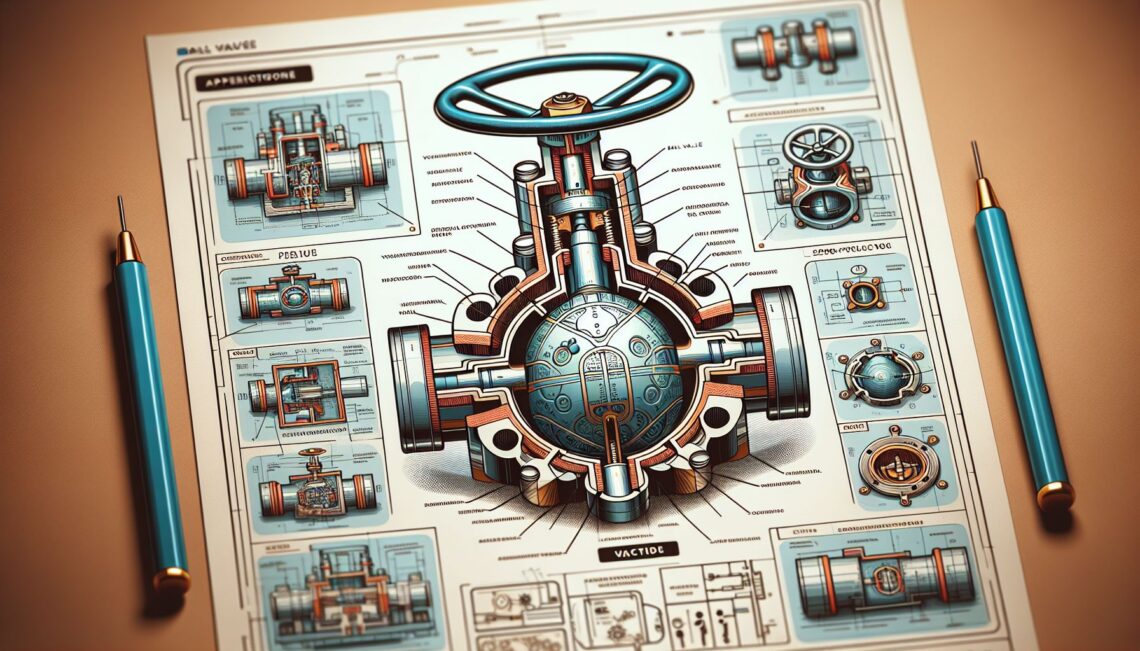
A ball valve is an on-off control valve that rotates a ball with a hole, which aligns with the flow when open and is perpendicular when closed. It’s an essential part of regulating and directing flow in a system, especially in sectors like oil and gas, chemicals, and power generation.
They can be classified into floating and trunnion ball valves. There are also numerous linings, coatings, and body materials available according to specific usability requirements and conditions. The valve materials can fall into the broader categories of carbon steel, stainless steel, bronze, and PVC.
Industry Applications of Ball Valves
Across various industries, ball valves are the preferred type due to their quick shut-off feature and their ability to function seamlessly even after extended periods of non-use. The petroleum industry, for example, uses ball valves in their pipelines for their durability under high temperatures and pressures. In chemical plants, they are used due to their ability to handle corrosive substances.
In the residential sector, ball valves are used in water supply systems for effective flow control. They play a big role in systems where precision and efficiency are pivotal, such as gas systems and HVAC applications.
The Maintenance of Ball Valives
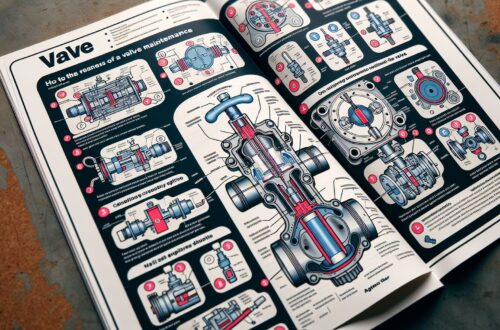
Proper ball valve maintenance is essential in order to increase their lifespan and overall functionality. This section will cover the basics and provide insight into valve reparations and replacements.
Regular Inspection
A regular inspection can prevent minor issues from blooming into major malfunctions. Include periodical checking of the ball valve for leaks or damage.
Cleaning and Lubrication
Over time, ball valves may get dirty or clog. Use a suitable cleaning solution and apply lubrication to the valve’s moving parts to enhance its operation.
Valve Repair and Replacement
If a ball valve displays signs of severe damage, it might require repair or replacement. You can either replace the internals (trim), which includes the ball, stem and seat, or opt for a full valve replacement if the valve body is compromised.
While you would need an experienced technician for installation and some types of maintenance, certain preventive measures can be carried out with basic training and equipment.
Automating Ball Valves
In the era of automatization, ball valves aren’t left behind either. With the help of actuators, ball valves can be automated for a more productive and efficient workflow. Different types of actuators offer varieties of valve operation, be it linear, rotary, or oscillatory. From electric and pneumatic to hydraulic, numerous actuator types have been engineered to suit the specific needs of operations.
Wrapping Up
In conclusion, ball valves play a pivotal role in controlling the flow of liquids or gases in various industrial setups. Understanding the functionality of the valves, their proper maintenance routine, and ways to increase their efficiency are key to ensuring a smooth, hassle-free operation.
Each technique or measure, if wisely and timely executed, can make a radical change in enhancing the overall life and productivity of your entire flow system. After all, an efficient system is the backbone of any successful operation.
Sources:
1. ‘Ball Valve: Types, Construction, Applications and Advantages.’ Piping Materials, link
2. ‘Maintenance of Ball Valves.’ Flow Control Network, link
3. ‘The Definitive Guide to Ball Valves.’ Valve Magazine, link