Valve Maintenance: A Comprehensive Guide
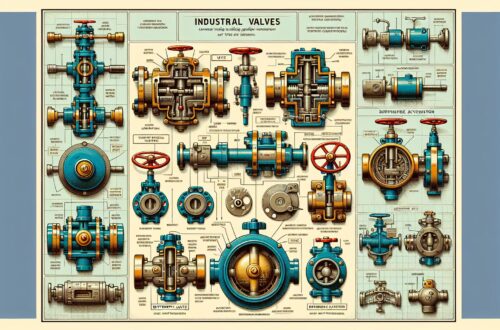
Valve maintenance is a critical aspect of the general upkeep of industrial, manufacturing, and processing systems. It guarantees the functionality, durability, and effectiveness of valves used in controlling the flow of fluids, gases, or substances within the system. This article provides an in-depth analysis of valve maintenance, systematically outlining its necessity, processes, precautionary steps, and many other relevant considerations surrounding the subject.
The Importance of Valve Maintenance
Industrial valves are built to last and endure the harsh conditions under which they operate. However, they aren’t indestructible. Over time and with continual use, the wear and tear effect on valves cannot be overlooked. If unchecked, the gradual degradation of valves results in increasing energy consumption, higher operational costs, decreased efficiency, and premature failure of hardware components.
The significance of valve maintenance is multifold. First, it helps in identifying minor issues before they escalate into major problems. This helps in avoiding unexpected and costly shutdowns, thus maintaining the function and productivity of the systems.
Second, valve maintenance improves the safety and integrity of the systems. Valves are often critical in controlling hazardous materials. Regular maintenance ensures these valves operate correctly, reducing the risk of accidents and potential environmental damage.
Finally, proper valve maintenance increases the lifespan of the valves and the system, ultimately saving the business money on replacements and unnecessary repairs (1).
The Process of Valve Maintenance
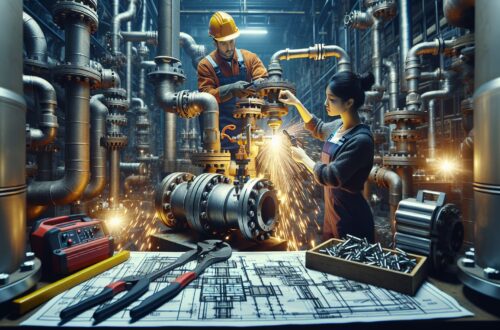
Valve maintenance should be considered as a consistent process rather than a one-time task. It should start with a comprehensive inspection of the physical and functional parameters, followed by necessary servicing, repair, or replacement. Here are the steps:
1. Inspection: The inspection should include checking valve alignment, leaks, wear and tear, and the response of the valve to manual or automatic control signals. It is beneficial to have a checklist to ensure all potential issues have been addressed.
2. Cleaning: Over time, contaminants and debris may accumulate in and around the valve, causing it to malfunction. It is essential to sufficiently clean the valve, the internal workings, and surrounding areas to ensure contaminants do not affect operation.
3. Servicing: This task includes lubricating mobile parts, adjusting control systems, changing valve seals, and replacing worn-out components.
4. Testing: Post-servicing, it is crucial to test the functionality of the valve. This ensures that servicing has not impacted the performance and all issues identified during inspection have been adequately addressed (2).
Precautionary Measures
When performing maintenance, there are several precautions to take:
1. Safety First: When working with valves, safety can’t be overemphasized. Depending on the system, the valves may control hazardous materials, so appropriate Personal Protective Equipment (PPE) should be used.
2. Proper Training: Individuals performing maintenance should be adequately trained to handle specialized tools without causing further damage to the valves and systems.
3. Documentation: Proper records of all maintenance activities should be maintained for future reference and traceability.
4. Scheduled Maintenance: Rather than waiting for problems to arise, a regular maintenance cycle should be established based on the manufacturer’s recommendations and the working conditions of the valves.
Conclusion
In a nutshell, valve maintenance is an integral part of system upkeep in industrial, manufacturing, and processing fields. It enhances efficiency, increases the lifetime of the valves, and prevents accidents. Through regular inspection, cleaning, servicing, testing, and the use of best practices, valve maintenance can contribute significantly towards operational excellence and cost savings.
References
-
Valve Manufacturers Association of America. (2019). “Industrial Valve Maintenance & Repair”. Retrieved from https://www.vma.org
-
GlobalSpec. (2020). “Understanding Valve Design and Material Selection”. Retrieved from https://www.globalspec.com
-
Instrumentation Tools. (2018). “Valve Maintenance – A complete guide”. Retrieved from https://instrumentationtools.com
Valve maintenance is paramount to ensuring continuous optimal performance, safety, and longevity of systems. As someone in charge of valve maintenance, it is important to understand its importance and know what the process involves. This thorough guide provides you with practical insights into everything you need to know about valve maintenance.