Valve Maintenance: The Essential Guide
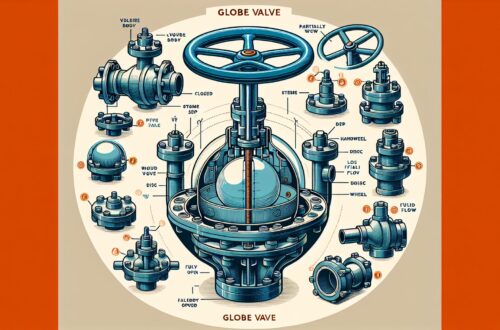
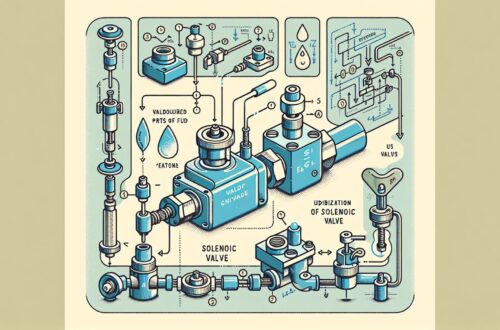
Among all industrial applications, one component that often goes unnoticed but plays a crucial role in maintaining the efficiency and longevity of machineries is the humble valve. Be it a ball valve, a butterfly valve or a gate valve, the importance of valve maintenance cannot be overstated.
This in-depth guide will provide you with all the knowledge you need about valve maintenance to ensure optimal valve performance and maximize equipment lifespan.
What is Valve Maintenance?
Valve maintenance entails a set of activities performed on valves to ensure that they are in suitable working conditions and last as long as possible. It involves checking, cleaning, and repairing or replacing valve components as required. Proper valve maintenance ensures operational efficiency, optimizes costs by reducing unplanned downtime, and avoids potential safety hazards[^1^].
Importance of Valve Maintenance
Valves control the flow of fluids in numerous industrial processes, and their efficient operation is critical for maintaining process integrity. Neglecting valve maintenance can lead to a range of adverse outcomes. For instance, a faulty valve might cause leaks, risking environmental hazards, or possibly compromising the safety and productivity of an industrial operation[^2^].
Steps Involved in Valve Maintenance
-
Inspection: Regular inspection of valves is the starting point of efficient valve maintenance. Identify signs of wear, leaks, or any abnormal operating conditions.
-
Cleaning: Over time, valves can accumulate dust, grime, and other deposits. Regular cleaning can prevent these contaminants from gradually damaging the valve components.
-
Repairs and Replacement: If upon inspection, the valve components are found to be damaged or worn out, they need to be immediately repaired or replaced.
-
Lubrication: Adequate lubrication is critical for ensuring smooth operation of the valves.
-
Testing: Once repairs or replacements have been made, testing is essential to ensure that the valve is functioning as expected[^3^].
Factors Affecting Valve Maintenance
Several factors can influence the amount and type of maintenance required for valves:
-
Type of Valve: Different types of valves, such as ball, butterfly, or gate valves, require various maintenance procedures.
-
Valve Materials: The material from which a valve is made can determine its maintenance requirements. For example, valves made from more corrosion-resistant materials may require less maintenance.
-
Operating Conditions: The conditions under which a valve operates (temperature, pressure, flow rate) greatly influence the maintenance needs.
Conclusion
Properly maintaining valves is crucial for any industry relying on fluid flow. By regularly inspecting and performing preventative maintenance on these essential components, companies can reap benefits in terms of cost savings, operational efficiencies, and increased safety. Understanding the factors which affect maintenance requirements can further enhance these benefits.
Remember, preventative valve maintenance might take time and resources, but it will go a long way in ensuring operational efficiency and economic success. So, let’s pledge to give the humble valve the attention it deserves!
[^1^]: Engineering Toolbox, “Valve Maintenance,” www.engineeringtoolbox.com/valve-maintenance-d_467.html.
[^2^]: Valve Magazine, “The Relationship Between Valve Selection and Maintenance,” www.valvemagazine.com/magazine/sections/features/4435-the-relationship-between-valve-selection-and-maintenance.html.
[^3^]: Valve World, “Importance of Valve Maintenance and Inspection”, www.valve-world.net/webarticles/2019/07/17/importance-of-valve-maintenance-and-inspection.html.