Valve Selection: Your Ultimate Guide
Whether you’re a homeowner trying to diy a plumbing issue, a professional plumber, or an industry professional dealing with fluid or gas flow, there’s usually one critical component you will always need: valves. Choosing the wrong type of valve can even lead to issues like backflow, leakage, and damage to the system. In this article, we will delve deeper into the realm of valve selection, how to choose the right valve, and all the considerations involved for smooth and efficient operations.
Overview of Valves
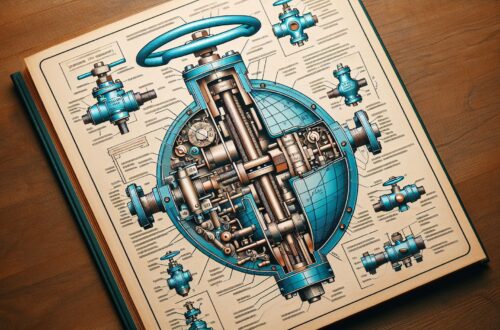
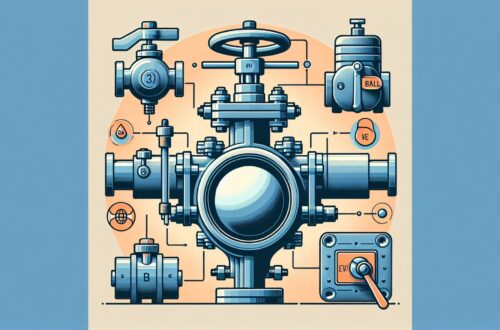
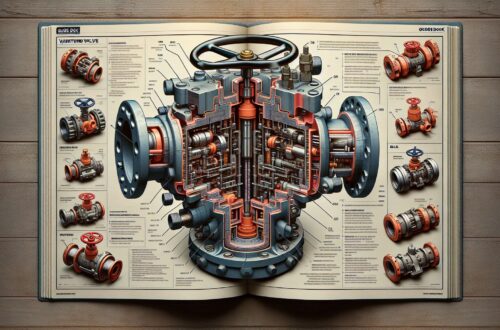
Fundamentally, a valve is a device that regulates, directs, or controls the flow of a fluid or gas by opening, closing, or partially obstructing various passageways. Valves come in various types and designs, each with its unique functionality and applicability in various systems. Some of the main types include:
-
Ball valves
-
Butterfly valves
-
Check valves
-
Gate valves
-
Globe valves
-
Diaphragm valves
-
Plug valves
-
Knife gate valves, among others.
Each of these varieties has its pros and cons and are better suited to particular applications rather than others. But, how do we choose the right valve?
Selecting the Right Valve
Several factors drive the selection of the right valve for a specific application
-
Fluid Characteristics: The nature of the fluid or gas to be controlled is the first consideration. For corrosive or abrasive fluids, valves made from corrosion-resistant materials like stainless steel or bronze may be most suitable.
-
Pressure and Temperature Ratings: It is essential to select a valve that can handle the pressure and temperature at which the system operates.
-
Valve Size: The size of the valve plays a significant role in its ability to control flow accurately. The valve size should be consistent with the size of the pipes in which it is to be installed.
-
Functionality: Depending on what you want the valve to do (i.e., stop/start flow, regulate flow, prevent backflow), different types of valves may be more suitable than others.
-
Installation and Maintenance: Some valves require more maintenance and are harder to install than others. It’s important to consider ongoing costs of valve ownership, not just upfront cost.
-
Cost: The price also matters but shouldn’t be the only determinant of a valve’s selection. Cheaper valves may result in poor performance and high maintenance costs in the future.
Choosing the right valve means balancing all these factors against the demands of the specific application the valve is to serve and your budget.
Summary
Valve selection is a critical component in any system that has fluid or gas flow. The right choice of valve signifies the difference between a system which runs efficiently and one prone to continual problems. Comprehensive knowledge and understanding of your system and the environment in which the valve will operate is key.
Our guide does not cover every detail related to valve selection, but it provides a strong foundation on which you can begin your search for the perfect valve. Always seek advice from professionals when you are in doubt, and remember not to make cost considerations override the functionality and durability considerations.
Sources
-
Valve Magazine, (2019). “Valve Basics: Selection and Sizing”. Available at: www.valvemagazine.com
-
Flow Control Network, (2021). “Valve Selection Handbook”. Available at: www.flowcontrolnetwork.com
-
Engineering Toolbox, (2020). “Guidelines for Valve Selection”. Available at: www.engineeringtoolbox.com
Remember, the right valve selection can significantly increase efficiency and longevity of a system while ensuring it remains safe and environmentally friendly. Good luck!
Written by a Valve Selection Enthusiast.