An In-Depth Look at Gate Valves
Gate valves, sometimes referred to as sluice valves, are multipurpose bi-directional shutoff devices typically used to manage the flow of a variety of liquids, gases, and other media. Any home or commercial facility that has running water or gas typically has one or more gate valves installed. This is a testament to their ubiquity in our day-to-day lives.
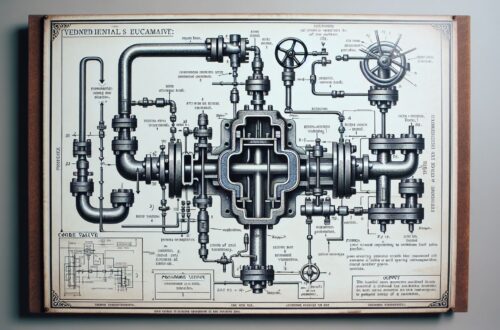
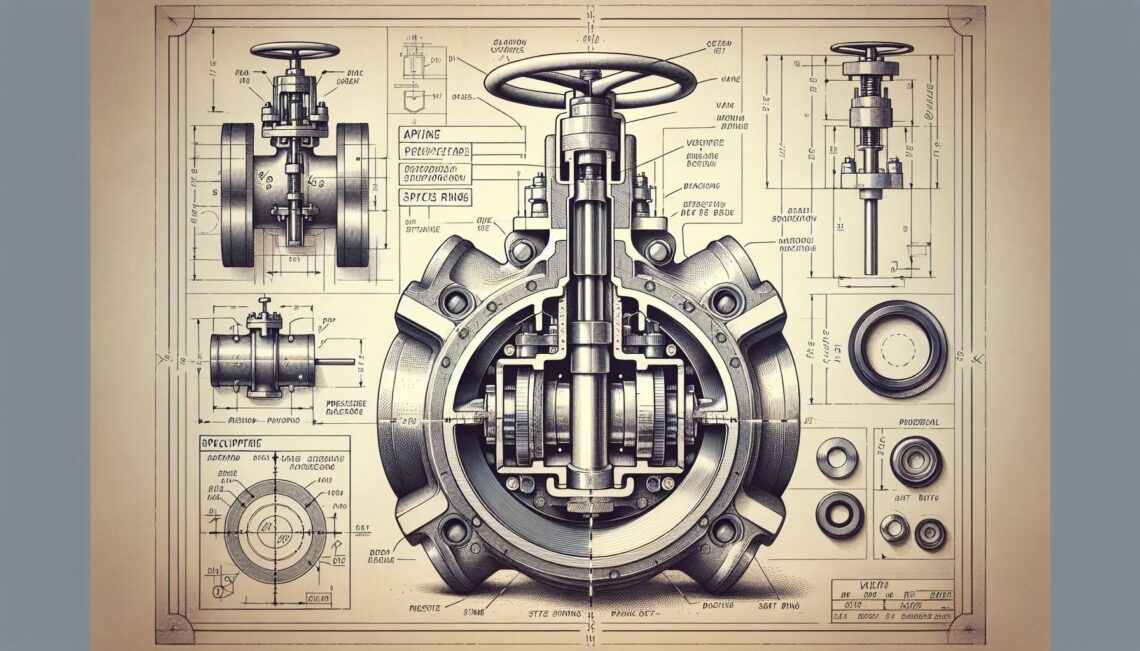
At its most basic, a gate valve consists of a body with ends, which connect to the piping system, a bonnet that houses the valving mechanism, and a movable gate or disc which is moved by the valve stem (iSolutions Inc., n.d.).
Promise of Gate Valves
One of the reasons behind the ubiquity of gate valves in a myriad of applications is their simplicity. A gate valve requires little to no maintenance and can deliver years of reliable service. Its straightforward operation, involving either opening the valve to allow flow or closing it to stop flow, makes it ideal for many applications.
Moreover, gate valves are highly flexible and come in various models and sizes to suit different applications and environments. From miniature gate valves used in home appliances to massive gate valves employed in large industrial installations, these valves are available to meet almost any need (Cameron, n.d.).
Finally, with their simple structure and operation, gate valves are generally economical to purchase, install, and maintain. Although more advanced valves are available, gate valves frequently outshine these alternatives due to their cost-effective performance (Valves Online, n.d.).
Applications of Gate Valves
Gate valves are suited to a range of applications, from home plumbing systems to heavy industrial setups and even power-generation facilities. In residential and commercial buildings, gate valves regulate the flow of water and gas supplies, while industrial applications might include handling of chemicals, petroleum, steam, and slurries.
Due to their good flow control capabilities, lower pressure drops, and the fact that the gate can completely separate or join the ends of the valve, making the flow path absolutely clear when the gate valve is fully opened, it’s ideal in applications where pigging is required (iSolutions Inc., n.d.).
Factors to Consider in Selecting a Gate Valve
Beyond their basic construction and uses, there are several key factors that should be taken into account when selecting a gate valve for a specific application:
-
Pressure and Temperature Ratings: The pressure and temperature rating of a gate valve define its operational limits and suitability for specific applications. Using a gate valve at conditions beyond its rated capacity may result in premature failure.
-
Valve Size: Gate valves are available in a range of sizes, from less than an inch in diameter for small applications up to several feet in diameter for large industrial systems.
-
Valve Material: The choice of body material can depend on the fluid being handled, the temperature, and the service conditions. Carbon steel, stainless steel, and brass are all commonly used materials for gate valves.
-
End Connection Type: End connections determine how the gate valve will be connected to the rest of the piping system and depending on the system requirements these can be flanged, threaded, welded, or wafer (Cameron, n.d.).
-
Operational Requirements: Not all gate valves operate the same way. Handwheels, gears, hydraulic and pneumatic actuators, and electric actuators are all possible options, and the choice will often depend on the valve size, service conditions, and system requirements.
Gate Valve Installation and Maintenance
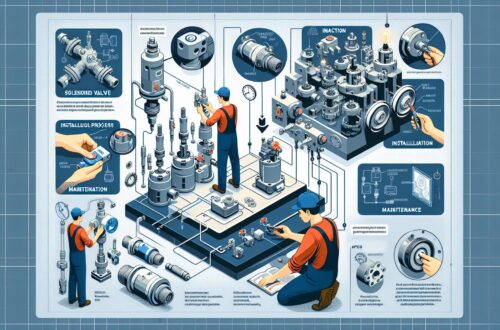
Proper installation and maintenance of gate valves are crucial for their successful performance and overall longevity. Incorrect installation can result in underperformance or failure. Regular maintenance, including inspection for any visible damage, checking of components for loose or missing parts, and operational tests, ensures optimum functionality (Valves Online, n.d.).
To sum up, gate valves are incredibly valuable components in a wide range of services, offering excellent shut-off capabilities. A full understanding of the design, functionality, and selection process ensures that the most suitable gate valve is chosen for each specific application, providing a durable and cost-effective solution that meets the needs of the user. When installed and maintained properly, gate valves can provide many years of dependable service.
References
iSolutions Inc. (n.d.). What is a Gate Valve? It’s Working and Uses Explained.