A Comprehensive Guide to Solenoid Valves: Selection, Installation, and Maintenance
Electrically-operated solenoid valves are integral to many industrial processes. As omnipresent components in a myriad of applications, their role in regulating the flow of liquids and gases is crucial. This article will delve into the world of solenoid valves, unfolding everything from their selection and installation through to the process of maintaining them.
What are Solenoid Valves?
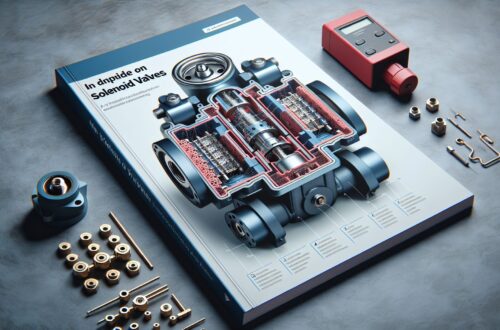
Before we dive into selection, installation, and maintenance, let’s first understand what a solenoid valve is. A solenoid valve is an electro-mechanical device used to control the flow of fluids or gases. The valve features a solenoid — a coil of wire that produces a magnetic field when electricity passes through it. When energized, the solenoid actuates the mechanism regulating the material flow[^1^].
Selecting the Right Solenoid Valve
When selecting the appropriate solenoid valve for your application, several factors need to be considered:
- Media Type: Do you need the valve for controlling gases, liquids, or both? Different designs and materials cater to the dynamics of various media types.
- Flow Rate: The size of the valve’s orifice determines the fluid or gas flow rate. Make sure you understand the volume requirements of your system.
- Pressure Range: The valve must withstand the system’s operating pressure. The pressure rating of the solenoid valve is a crucial parameter to check.
- Temperature: Solenoid valves must endure the temperature of the environment and the media passing through it. High temperatures require heat-resistant valve materials.
- Voltage and Power: You should match the valve’s voltage rating with the available power supply[^2^].
Installation of the Solenoid Valve
Proper installation is crucial to the performance, longevity, and safety of solenoid valves. Here are the basic steps:
- Turning Off the System: Before installation, make sure to shut off the system and drain fluids or gases to avoid pressure accidents.
- Positioning: Ensure correct valve positioning. The flow direction should coincide with the arrow on the valve body.
- Connection: Use appropriate pipe threading to connect the valve to the system[^3^].
Maintaining the Solenoid Valve
Reliable operation of solenoid valve demands regular maintenance. Here are common maintenance practices:
- Visual Inspection: Look for any leaks and check system connections to ensure they are secure.
- Cleaning: Regularly clean the valve from all the sides. But remember never to disassemble the valve when cleaning.
- Functionality Test: Conduct a functionality check especially after cleaning or fixing any leaks.
- Solenoid Replacement: In case of continuous malfunctions, consider replacing the solenoid[^3^].
Conclusion
In conclusion, solenoid valves play a vital role in controlling the flow of fluids and gases in many industrial processes. While selecting the suitable solenoid valve may seem a daunting task, understanding the operating conditions of your system aids the process. Proper installation, in accordance of the manufacturer’s guideline, is paramount to the performance and lifespan of the valve. Routine inspection and timely maintenance are critical to ensure that they function optimally and safely.
[^1^]: Wikipedia, Solenoid valve
[^2^]: ASCO, How to select a solenoid valve
[^3^]: Pneumatic & Hydraulic Company, How to Install, Maintain, and Troubleshoot Your Solenoid Valve