Choosing the keyword “Valve selection” for this task.
An In-depth Guide to Valve Selection
When it comes to fluid handling systems, valves are crucial. They control the flow and pressure of fluids, thereby contributing to the safe and efficient operation of systems in industries such as oil and gas, petrochemicals, power generation, pharmaceuticals, food and beverages, and water treatment among others. The selection of valves, essentially, can make or break your system’s operation. Therefore, understanding the importance and methodologies involved in valve selection is of utmost importance.
In this in-depth guide, we will delve into the various aspects of valve selection, providing clarity on this vital process and helping you make the best decisions for your operation.
Understanding Valves
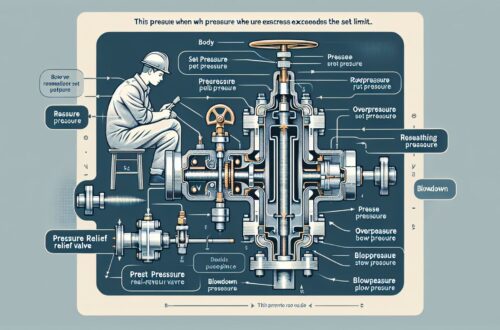
Before we dive into the details of valve selection, it’s vital to understand what a valve is and what it does. A valve is a device that controls, directs, and regulates the flow of fluids (such as gases, liquids, fluidized solids, or slurries) by opening, closing, or partially obstructing various passageways.
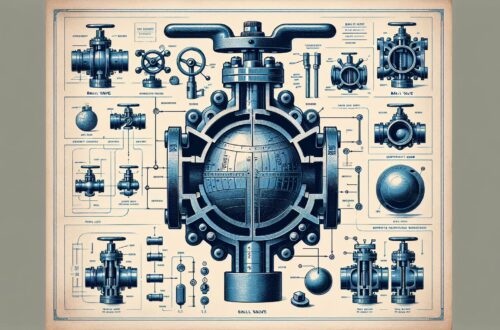
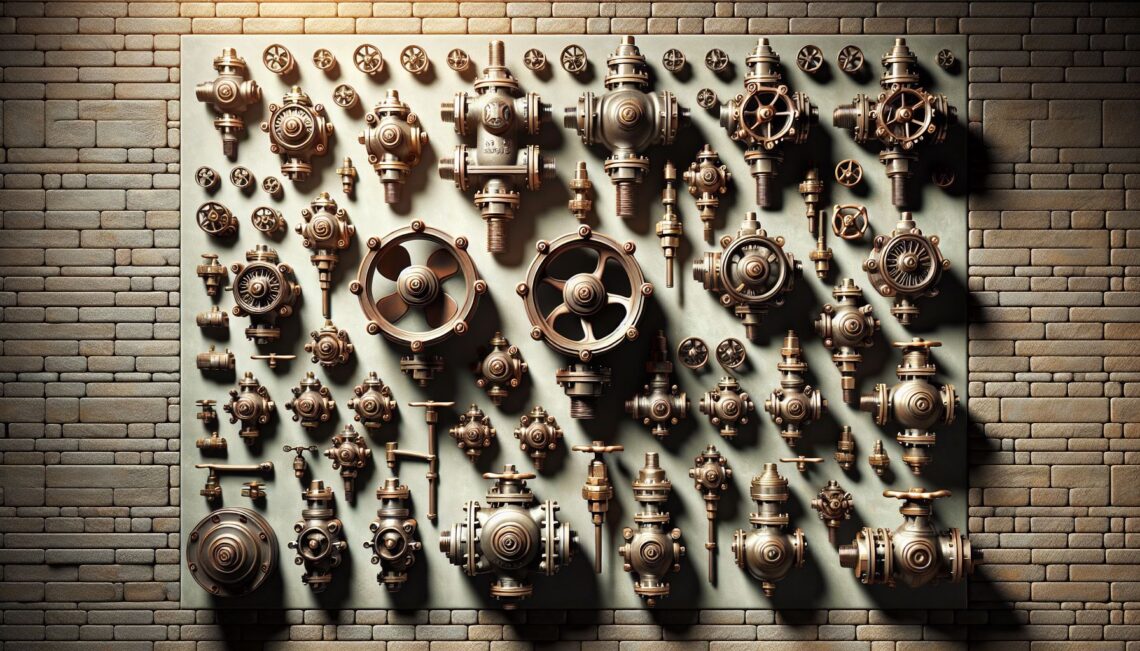
Valves come in an enormous array of types, each designed for specific purposes. These include gate valves, globe valves, ball valves, butterfly valves, check valves, diaphragm valves, pinch valves, and many more. Each serves distinct functions and is suited to particular applications.
Considerations for Valve Selection
The selection of the appropriate valve for a specific application is a complex process that requires careful consideration of several factors. Let’s go over some of the key considerations.
1. Operating Conditions
Operating conditions such as temperature, pressure, flow rate, and the characteristics of the fluid being handled, are all critical elements that need to be considered in valve selection. For instance, the temperature and pressure of a fluid can significantly impact the material selection for the valve.
2. Type of Valve
As mentioned earlier, there are several types of valves, each with its unique advantages and disadvantages. Understanding the specific requirements of your system will help determine the optimal valve type. For instance, gate valves are ideal for on-off control while globe valves serve well for regulating flow.
3. Material Selection
Material selection is another vital aspect. The valve material must be compatible with the fluid it’s designed to handle. It should also withstand the operating pressure and temperature. Commonly used materials include brass, bronze, cast iron, ductile iron, stainless steel, and plastic.
4. Valve Size
Valve size should match the size of the pipe in which it’s installed. The size also determines the flow rate of the valve. The larger the valve, the greater the flow.
5. Costs
Price is, of course, a significant factor in valve selection. While it might be tempting to opt for the cheapest option, other considerations such as quality, durability, and longevity should not be compromised.
The Selection Process
The selection process typically starts with identifying the needs of the system—understanding the fluid to be handled, the operating conditions, and the overall operational requirements. Industrial standards such as API, ASME, ISO, and other relevant ones should be adhered to.
The next step is to evaluate the different types of valves and decide on the most suitable one that meets the system’s requirements. This involves considering the valve’s characteristics and how they align with the fluid handling needs.
Material selection follows continuous and collaborative discussions with manufacturers and vendors. It’s crucial to choose a valve made from materials that won’t corrode or degrade in the presence of the fluid.
Selecting the correct valve size is crucial to ensure optimum performance. Valve sizing is typically determined by the flow rate of the fluid, the pressure drop across the valve, and the pressure/temperature rating of the valve.
Finally, the calculation of the total cost of ownership, which includes the initial purchase cost, installation cost, maintenance cost, and operating cost, is done to make an economically sound decision.
In Conclusion
Valve selection can seem like a daunting task, given the myriad of factors that need to be considered. However, understanding these elements and having a clear idea of your system’s needs can simplify the process dramatically. Always remember to adhere to industry standards and seek expert advice when in doubt to ensure the operational efficiency and longevity of your fluid handling system.
References
- Anderson Greenwood. (n.d.). Valve Selection: An Engineer’s Guide. [Online] Available at: https://www.andersongreenwood.com/en/resources/engineering-guides/valve-selection [Accessed 20 Sep. 2021].
- Dillon, M. (2017). A Complete Guide to Pipe Sizes and Pipe Schedule – Free Pocket Chart. HardHat Engineer. [Online] Available at: https://hardhatengineer.com/pipe-schedule-chart [Accessed 20 Sep. 2021].
- Izquierdo, J. (2018). Valve Selection Process: Engineering Best Practices, Valve Magazine. [Online] Available at: https://www.valvemagazine.com/magazine/sections/features/9842-valve-selection-process-engineering-best-practices.html [Accessed 20 Sep. 2021].