An In-depth Guide to Valve Automation
Valve automation is a cornerstone of modern industrialization, where processes are automated to ensure smooth operations, improve efficiency, and maximize safety. This guide seeks to dissect the ins and outs of valve automation. Understanding the concept begins by appreciating the critical role that valves play in controlling the flow of liquids and gases in pipeline systems. Their ability to govern this flow optimally depends on appropriate automation mechanisms.( source: valve magazine.com)
What is Valve Automation?
Valve automation refers to the use of technology to control valves remotely or automatically without human intervention. This technique minimizes error margins related to manual manipulation and increases efficiency in systems that rely on valves for their functioning.
Why Valve Automation?
The automation of valves presents numerous benefits, including:
-
Improved Efficiency: Automation reduces manual efforts and responds to changes in conditions faster, thus increasing efficiency.
-
Enhanced Safety: Automated valves mitigate the risk of accidents caused by manual misoperation of valves.
-
Cost-Effective: While the initial cost of setting up automatic valves may seem high, the long-term returns through enhanced resource allocation, less downtime, and fewer repairs make it a cost-effective solution.
Components of Valve Automation
The primary components that form an automated valve system include the valve itself, an actuator, and possibly a positioner or valve controller, depending on the exact needs of the operation.
Valve
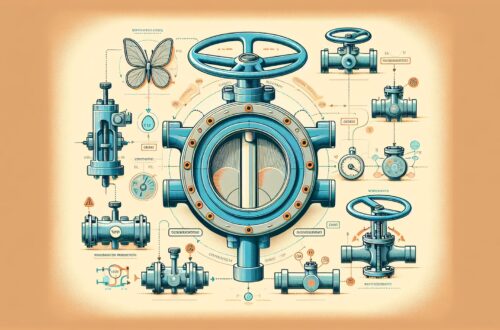
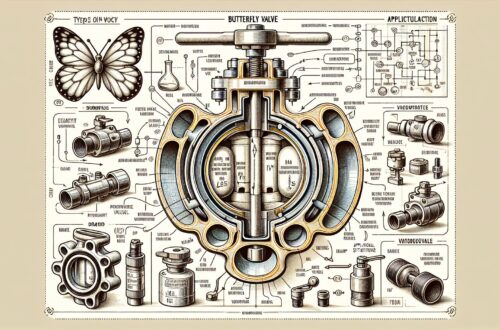
The valve is the primary component. Its choice is dictated by factors such as the nature of the medium (liquid or gas), pressure rating, temperature rating, and required flow rate. Different types of valves include ball valves, butterfly valves, diaphragm valves, gate valves, and more.
Actuator
The actuator is the component that facilitates the opening and closing of the valve. There are several actuator types, including pneumatic, hydraulic, and electric actuators, each offering different advantages depending on the context.
Position Controller
Not all automated valves require a position controller, but it is needed whenever there is a need for modulating service, which demands full control over the valve position.
Valve Automation Process
Every automated valve system follows a well-defined procedure, which typically involves:
- Signal Generation: This is the first stage. An operation that requires the valve to adjust is initiated, which generates a signal transmitted to the actuator.
- Signal Transmission: The generated signal is transmitted to the actuator which informs it to take appropriate action.
- Actuator Response: After receiving the signal, the actuator takes the necessary action (either opens or closes the valve).
- Controller Response: In systems where a position controller is involved, it verifies if the valve action taken matches the signal that was generated. If it doesn’t, the position controller adjusts the actuator till the desired outcome is achieved.
Having dived into the basics of valve automation, it is also necessary to know that it is not a one-time solution. Valve automation requires regular predictive maintenance and asset management to ensure the prolonged and unfailing operation of the system. It requires regular checkups and timely repairs, and in certain circumstances, entire replacement of parts or systems.
Valve automation has found its uses across numerous industries including power generation plants, oil and gas, and water treatment facilities, among others. It is an instrumental part of not only controlling the flow of substances in these operations but also ensuring safety and mitigating losses that could rise from inefficiencies or accidents. The last piece of advice would be to always consult valve automation experts when designing these systems. Proper initial planning and setup can save a lot of time, money, and effort going forward.
In conclusion, valve automation demonstrates the power of leveraging technology to enhance industrial efficiency and safety. As the quest for optimality continues, there is no doubt that valve automation will keep evolving and adapting to new operational demands.
References