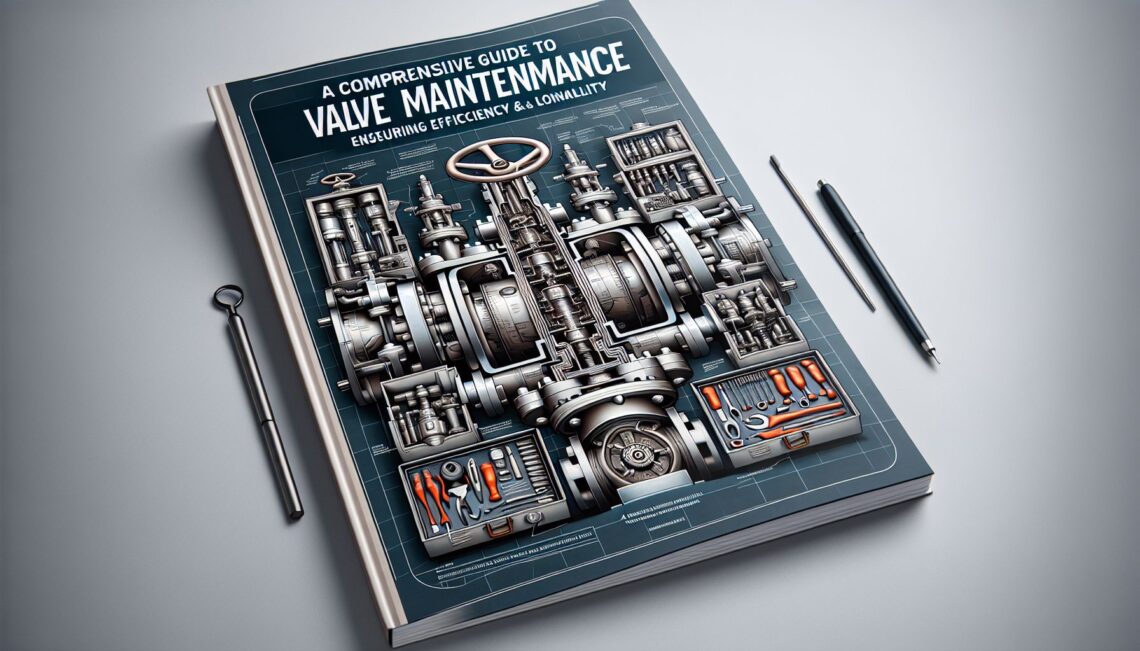
A Comprehensive Guide to Valve Maintenance: Ensuring Efficiency and Longevity
Valve maintenance is an important part of industrial production. It’s crucial in many industries as efficiency, productivity, and safety are directly related to the maintenance and management of valves. However, the maintenance process can often be complicated, mainly due to the wide variety of valves and the specific conditions they operate under.
This article will take you through the ins and outs of valve maintenance, providing you with the knowledge to ensure the long-lasting performance and efficiency of your valve systems.
Understanding Valve Maintenance
Valve maintenance refers to the process of examining and restoring valves, their components, and functions to ensure optimal performance and prevent premature failure or breakdown. Efficient valve maintenance can significantly enhance a plant’s safety condition and financial bottom line.
Importance of Valve Maintenance
Plants use different types of valves, including butterfly valves, globe valves, diaphragm valves, check valves, and more. While these valves have varying functions and characteristics, they all have one thing in common: they need regular maintenance. Negligence can lead to severe consequences such as system failure, reduced performance efficiency and plant downtime, which can result in significant financial losses.
Below are some of the reasons underlining the importance of valve maintenance:
-
Efficiency Enhancement: Regular valve maintenance helps increase the efficiency of the plant as it guarantees optimal functioning of all valves.
-
Preventive Care: Regularly scheduled valve maintenance can help detect problems early before they lead to significant system or plant failures.
-
Longer Lifespan: Properly maintained valves are less likely to experience premature wear and tear, thus extending their lifespan.
-
Safety: Poorly maintained or faulty valves can lead to accidents, making routine checks crucial for maintaining a safe environment.
Main Steps in Valve Maintenance
Valve maintenance involves several key steps that vary depending on the type of valve and its application. Below, we describe the more general steps involved:
-
Inspection: Regular visual inspections can help identify issues like leaks, cracks, or signs of wear. In addition, operational tests can be performed to check valve functionality and performance.
-
Cleaning: Dust, debris, and other contaminants can hamper valve performance. Regular cleaning is necessary to keep them in optimal working condition.
-
Replacement or Repair: If any part of the valve is found to be faulty or worn out, it should be repaired or replaced immediately to prevent further damage or inefficiency.
-
Lubrication: Many valves require lubrication to ensure smooth opening and closing. Lubricating spindles and threads can help reduce wear and tear and improve valve performance.
-
Testing: Regular testing of valves can help identify issues early on. Tests should be performed under normal operating pressures and temperatures.
All About Valve Repairs
When properly maintained, valves can last for years. However, despite regular maintenance, they can still break down. When this happens, you would need to determine whether a repair or replacement is necessary.
Repairing a valve often involves disassembling, inspecting, cleaning, replacing or repairing worn or damaged parts, reassembling, and testing the valve. Before conducting any repairs, it’s important to consult the manufacturer’s instructions or seek professional help, as incorrect repairs can lead to more substantial problems.
Valve Maintenance: Best Practices
Along with regular maintenance, adopting some best practices can further prolong the lifespan of your valves and reduce the chances of unexpected failures.
-
Follow Manufacturer’s Instructions: Every valve is unique with its own specific maintenance requirements. Always follow the manufacturer’s guidelines when performing maintenance procedures.
-
Equipping the Right Tools: Using improper tools can damage valves and components and increase the risk of accidents. Always use the correct tools for maintenance tasks.
-
Scheduled Maintenance: Regular, scheduled maintenance can not only keep your valves in the best working condition but also help to detect potential issues before they become major problems.
-
Keep Records: Keeping detailed maintenance records can provide valuable insights into a valve’s condition and help predict future maintenance needs.
In conclusion, investing time and resources in valve maintenance is an effective method to prolong valve service life and maintain high operating efficiency. It’s a small price to pay in comparison to the cost implications of a valve failure in an operational plant.
Sources:
-
“Valve Maintenance 101.” Valve Magazine. Retrieved from http://www.valvemagazine.com/magazine/sections/features/4782-valve-maintenance-101.html
-
“Why is Valve Maintenance Important?” Empowering Pumps & Equipment. Retrieved from https://empoweringpumps.com/blog/why-is-valve-maintenance-important/
-
“Best Practices for Valve Maintenance and Repair.” Fluid Handling Pro. Retrieved from https://fluidhandlingpro.com/best-practices-for-valve-safe-maintenance-and-repair/.