Valve Maintenance: An Essential Guide
In our day-to-day life, we encounter innumerable mechanisms that simplify our routines. Among these technologies, valves are a significant part. They regulate the flow and pressure of liquids and gases within systems, maintaining optimal operation and ensuring safe and efficient functionality. Though their task may seem straightforward, the process of valve maintenance is an intricate and crucial aspect that demands professional’s attention. This piece will delve deeper into a comprehensive understanding of valve maintenance.
I. What is Valve Maintenance?
Valve maintenance pertains to the different procedures undertaken to ensure the continued efficiency of a valve. It comprises various activities such as routine checks, troubleshooting, repairs, lubrication, and valve replacement if required. The goal of maintenance is to ensure the valve’s optimal performance, prolong its life, and prevent unexpected system breakdowns.
II. Importance of Valve Maintenance
Maintenance is imperative in the world of valves. It serves several purposes:
1. Maintaining Efficiency
Proper valve maintenance ensures the valve functions at its peak efficiency and maintains system control.
2. Preventing Malfunctions
Routine checks can help discover potential issues before they escalate, which minimizes the risk of malfunctions.
3. Increasing Lifespan
Regular maintenance reduces valve wear and tear, which, in turn, increases its lifespan.
4. Ensuring Safety
Poorly maintained valves may pose safety risks. Maintaining valves enhances the safety of personnel and prevents incidents like leaks and explosions.
III. Key Components of Valve Maintenance
Valve maintenance involves the evaluation and care of various valve parts:
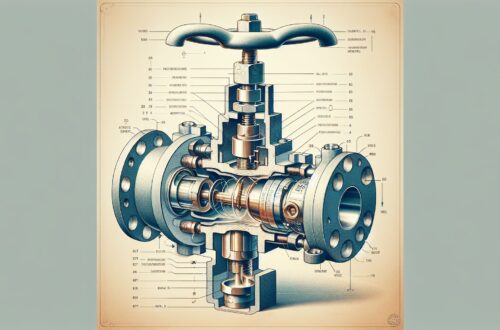
1. Valve Body
Inspect the valve body for signs of wear, cracks, or corrosion. It is advisable to clean the body surface periodically to keep it free from debris.
2. Valve Trim
The valve’s trim includes the disc, seat, stem, and other moving parts. Maintenance includes inspections for wear and tear, and providing lubrication as needed.
3. Valve Seat
Ensure that the valve seat is free of scratches, erosion, or any damages that may impair the sealing effect.
4. Valve Stem
Inspect and lubricate the valve stem frequently to mitigate wear and prevent leakage.
5. Valve Packing
Monitor the packing area for leaks. If leakage is observed, adjust or replace the packing.
IV. Routine Valve Maintenance Practices
The following practices can be implemented to maintain valve efficiency:
1. Regular Inspections
Perform regular visual inspections for signs of leakage, wear and any abnormal occurrence in the valve’s operation.
2. Keep Records
Monitor and keep records of every maintenance activity. Analyzing these records will help anticipate potential issues.
3. Training
Equip the responsible staff with appropriate training in maintenance procedures and safety protocols.
V. Choosing the Right Maintenance Technique
Valve maintenance techniques depend on their operation and application. They include:
-
Preventive Maintenance: Routine checks and adjustments to prevent malfunctions. This is effective in maintaining standard valves.
-
Predictive Maintenance: This technique uses data analysis to predict possible failures. It’s useful in maintaining critical valves.
-
Reactive Maintenance: This involves repairs after a failure has occurred. Though cheaper up front, the eventual costs can be much higher due to downtime and damage.
VI. How to Maintain Different Types of Valves
Different valves have different maintenance requirements:
-
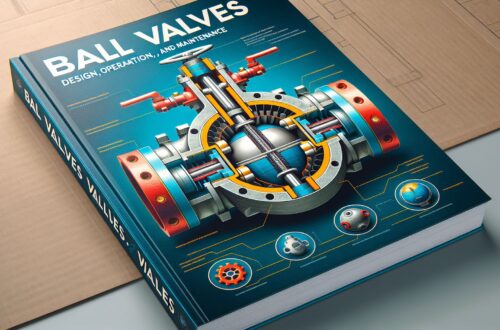
Ball Valves: Lubricate the ball and the seat regularly.
-
Gate Valves: Lubricate the stem and the threads to prevent damage.
-
Plug Valves: Use sealant injections regularly for upkeep.
-
Butterfly Valves: Check for disc wear, damage, or misalignment.
Properly maintained valves are a key component to the smooth and safe operation of many systems. Hence, regular valve maintenance should be a priority.
VII. Conclusion
To ensure compliance with industrial standards, efficiency, and reduce foreseeable losses due to system failures, a structured valve maintenance is crucial. It requires regular attention, knowledge of different valve parts, and tact to select and execute appropriate maintenance techniques.
Sources: