The Comprehensive Guide to Ball Valves: Installation, Maintenance, and Repair
Ball valves are essential components in various industrial sectors – from chemical processing to pharmaceutical manufacturing. They control the flow of fluid in systems, providing a safe and efficient solution in numerous applications. This comprehensive guide will look at ball valves, focusing on installation, maintenance, and repair strategies.
Anatomy of a Ball Valve
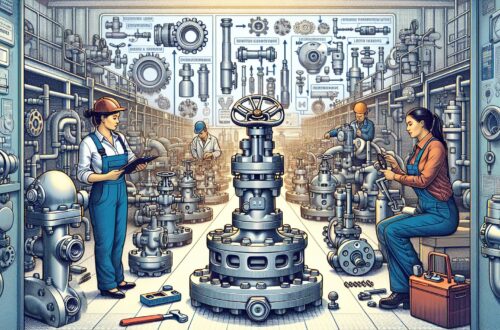
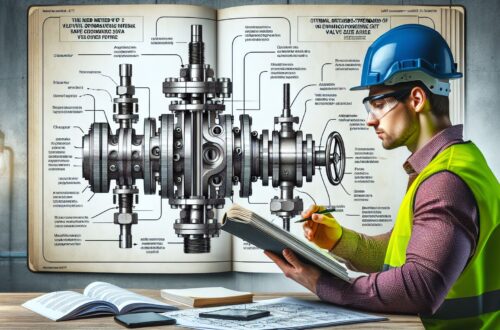
A ball valve consists of several parts, including the valve body, valve stem, valve seat, valve trim and the valve packing. The valve’s body houses all other parts of the valve, forming its external skeleton. The valve trim includes the valve seat, disc, stem, and sleeves, while the valve seat encloses the disc.
The valve stem offers the necessary rotation to open or close the valve, and the valve packing provides a tight seal preventing fluids from leaking out of the valve body.
Ball Valve Installation
Valve installation is a meticulous process, as incorrect handling can lead to system failures. Before installation, check the valve for any defects. Examine the valve seat, stem, and body for cracks or deformities to ensure the functionality is intact[^1^].
Before installing a ball valve, here are some crucial points:
- Shut-off or control valve should be fully open during installation.
- Ensure the valve ends fit securely into the pipeline.
- Valve stem should be in a horizontal position.
- Apply sufficient force to fully seat the valve.
Ball Valve Maintenance
Maintaining a ball valve extends its lifespan and ensures it works safely and efficiently. Regular inspection and maintenance can spare escalating costs due to repairs.
Here’s what to consider in ball valve maintenance:
- Regular Inspections: Check for leaks around the valve stem or body. A leak can affect system performance.
- Routine Cleaning: Keeping the valve clean from debris or dust prevents contamination, which can cause a valve to become stuck or fail[^3^].
- Frequent Lubrication: Lubricate the valve stem regularly to ease rotation and prolong its lifespan.
- Inspection of Valve Packing: Regularly inspect the valve packing as leaks can occur over time due to wear and tear.
Ball Valve Repair
Ball valve repair is necessary when the valve fails or its performance is hampered. Here’s a step-by-step guide:
- Shut Off the System: Before beginning any repair, make sure the system is turned off to prevent any accidental releases.
- Remove the Valve: To repair the valve, first remove it from the pipe system.
- Disassemble the Valve: Carefully take apart the valve. Be careful not to lose any small parts.
- Inspect all Components: Once disassembled, individually inspect each component for damage or wear. Replace any parts that are worn beyond repair.
- Reassemble and Test: After the necessary parts are replaced, reassemble, and test the valve to verify that the repair was successful[^2^].
Conclusion
Ball valve installation, maintenance, and repair are critical in ensuring the proper functioning of the ball valve. Following these recommended strategies can extend the lifespan of the valve and maintain its efficacy. Always remember safety is paramount and professional help should be sought when in doubt.
[^1^]: Ball Valve Installation Guide. CWT Valve.
[^2^]: A Guide to Ball Valve Maintenance. Valve Magazine.
[^3^]: Ball Valve Repair: A Comprehensive Guide. Vinson Process Controls.