Comprehensive Guide to Choosing and Using Ball Valves
Ball valves are an integral part of any fluid flow system. They serve as a seal for the flow path when it’s necessary to control the flow of fluid or gas. But what exactly are ball valves, and how do you choose the correct one for your project? This comprehensive guide will take you through everything you need to know about ball valves.
What are Ball Valves?
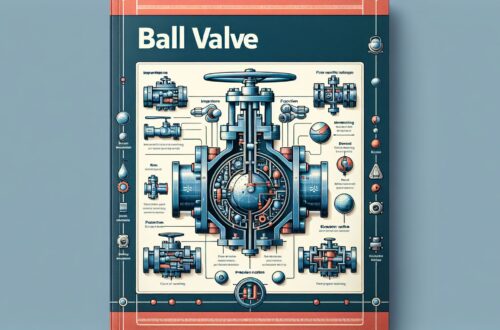
Ball valves are a type of quarter-turn valve that control flow through a hollow, perforated and pivoting ball, also known as a floating ball. When the ball is in line with both ends of the valve, flow will occur. When it is pivoted 90-degrees by the valve handle, the hole becomes perpendicular to the flow ends of the valve, thus blocking flow[^1^].
Types of Ball Valves
There are three main types of ball valves: full port, reduced port and v-port. Full port ball valves have an over-sized ball so the hole in the ball is the same size as the pipe resulting in lower friction loss. Flow is unrestricted, but the valve is larger and more expensive so is often reserved for situations where size and pressure are not as important. Reduced port valves, one size smaller than the pipe, are cheaper and more common. Lastly, V-port ball valves are used when control is necessary.
Key Factors for Choosing a Ball Valve
Pressure Rating
One of the key factors to consider when choosing a ball valve is the pressure it can withstand. This is typically measured in pounds per square inch (psi). The pressure rating required depends on the conditions of the system where the valve will be installed.
Temperature Recognition
The operating temperature of the valve is another essential factor. Some valves are designed to withstand high temperatures, while others are more suitable for lower temperature applications.
Corrosion Resistance
You should also consider the level of resistance the valve provides against corrosion, particularly when dealing with fluids or gases that can be corrosive. Corrosion can lead to valve failure, hence having a valve with high corrosion resistance is key.
Valve Materials
The materials used to construct the valve also play an essential role. Some of the most common materials include brass, which is typically used for lower pressure applications, and stainless steel, which is considered to be stronger and more suitable for higher pressures[^2^].
Valve Installation
Correct installation of a ball valve is a step that should not be overlooked. Installation processes might vary depending on the type of ball valve. Make sure to follow the manufacturer’s instructions when installing the valve.
Valve Maintenance
Proper maintenance of a ball valve can extend its life significantly. This can include regular cleaning as well as carrying out regular inspections of the valve and its components to ensure they are in perfect working condition.
Wrapping Up
Choosing the correct ball valve is not as complicated as it may seem. Keeping these factors in mind will allow you to select the perfect ball valve that suits your needs. Remember, choosing the right valve can save you time, money, and potential system failures.
[^1^]: Harold L. Schobert (2002). “Chapter 2: Origin, production and resource of natural gas”. Natural Gas: Fuel for the 21th Century. John Wiley & Sons. ISBN 978-0-471-49289-7.
[^2^]: A Guide to Ball Valves. Bell-O-Seal Valves Pvt Ltd. 2021.
Please note: This guide is aimed to provide a basic understanding of ball valves. However, for specific projects and applications, it’s recommended to consult with a professional or a ball valve manufacturer to ensure the correct valve is chosen.
*Disclaimer: This guide should be used as a reference and should not replace the advice of an engineer or professional.