A Comprehensive Guide to Ball Valves: Concepts, Applications, and Maintenance
From the simplest of homes to complex industrial plants, ball valves play an indispensable role in controlling fluid flow. They’re in everything from your bathroom faucet to the gas control system at your local power plant. As basic as they sound, ball valves are a technical and essential device designed to regulate, control, and direct fluid flow in a system.
Understanding Ball Valves (Concepts and Applications)
A ball valve, much like other types of valves, plays a pivotal role in controlling the movement of liquids, gases, and slurries in a system. Its name derives from the fundamental element of its function: a rotating ball which, when rotated, either stops or allows flow.
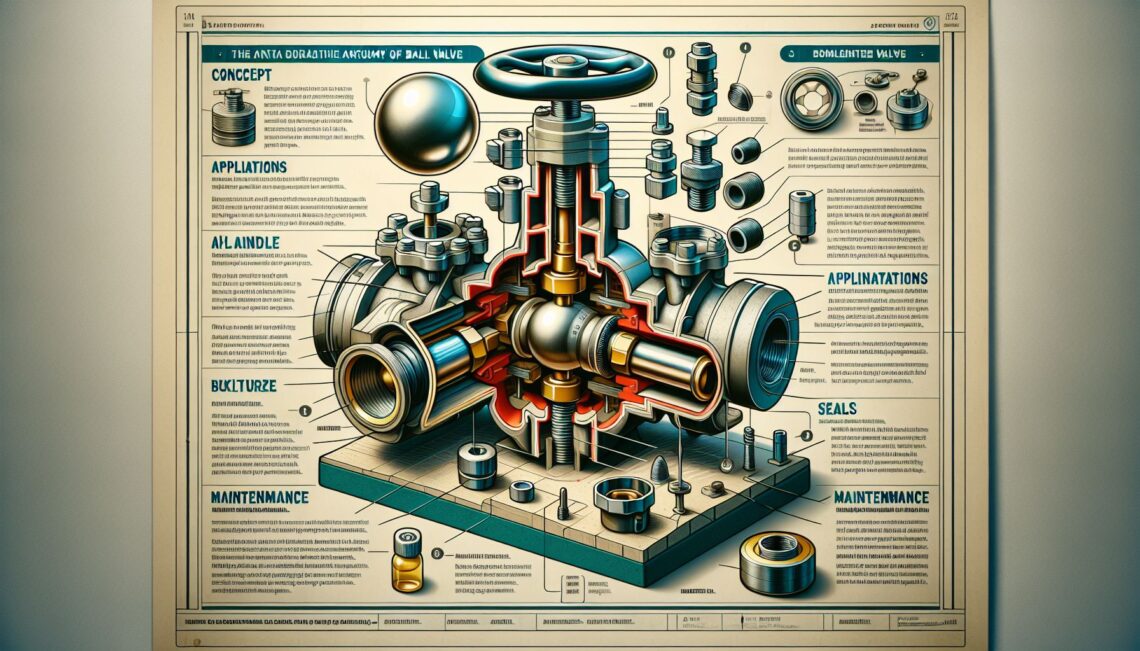
Ball valves can be broken down into several components, namely, the body, ports, stem, and most notably, the ball. This spherical element is bored through with one or multiple holes and attached to a stem. By turning the stem, the ball, and its hole(s) rotate, facilitating the simultaneous stoppage or enablement of flow through all attached ports[^1^].
Ball valves are incredibly versatile, finding applications across numerous industries. For instance, they are commonly seen in plumbing systems, oil and natural gas processing, chemical, pharmaceutical, and food and beverage industries. More demanding applications may include use in submarines and spacecrafts[^2^].
Maintaining Your Ball Valves (Valve Maintenance)
No matter how excellently designed or high quality a ball valve is, without suitable maintenance, its effective lifespan will be significantly reduced. Here are some frequent maintenance tips to keep your ball valves functioning optimally:
Regular Inspection
Regular inspections are paramount in ensuring the continued functional reliability of any mechanical system, including ball valves. Inspects should cover leaks, signs of damage on valve components, and the operation of the valve.
Regular Cleaning
A clean valve is a happy valve! Accumulated debris can cause blockages or hamper the smooth movement of moving parts. Regular cleaning is particularly crucial in systems transporting impure or corrosive fluids.
Lubrication
Ensure moving parts of your ball valves, like the stem, receive the right lubrication. Lubrication reduces wear and tear by reducing friction during valve operation[^3^].
Replace Damaged Parts
Regular inspections will reveal if any parts of the valve have been damaged. Prompt replacement of these components will help prevent sudden failure of the valve when needed.
By adopting these maintenance habits, you can significantly enhance the service life of your ball valves, saving you both time and resources over time.
Wrapping Up
Despite their relative simplicity, ball valves are an essential player in fluid control systems. By understanding the basics and maintaining your ball valves regularly, you can get the most from your system, whether household plumbing or an industrial process line.
[^1^]: “Understanding the Basic Function of a Ball Valve.” ValveMan.com. https://www.valveman.com/blog/understanding-the-basic-function-of-a-ball-valve/
[^2^]: “Application of Ball Valves.” Adamant Valves. https://www.adamantvalves.com/application-of-ball-valves.html
[^3^]: “How to Maintain a Ball Valve?” LeadingValve. http://www.leadingvalve.com/news/244.html