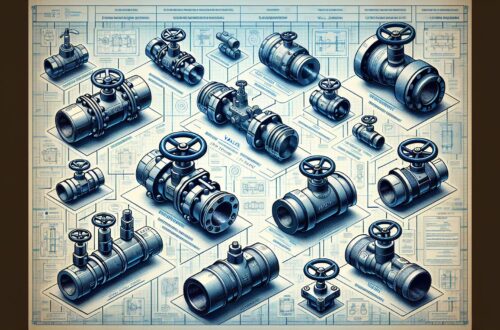
A Comprehensive Guide to Valve Maintenance and Best Practices
Keeping your system’s valves in pristine condition is crucial to the efficient operation of your pipeline or pumping station. Valve maintenance helps ensure the long life and proper functioning of these components, reducing the need for valve repair or replacement and keeping your business running smoothly. This article will delve into the intricacies of valve maintenance, highlighting some best practices and tips to help you keep these critical components in top shape.
Valve Maintenance: An Overview
Valve maintenance involves regular checking, tightening, and cleaning of valves, including their actuators and a host of other components like the valve body, stem, packing, trim, seat, and bonnet. While the scope of valve maintenance can seem overwhelming, it is a process whose benefits far outweigh the effort involved.
Regular valve maintenance keeps them working at their best, preventing leaks that could lead to costly waste and possible safety hazards. Moreover, a well-maintained valve system increases the efficiency of your operation, saving you money and increasing productivity[^1^].
The Importance of Regular Valve Inspection
Proactive inspections can nip potential issues in the bud before they turn into significant problems. Regular testing of your valves, their actuators, and components can uncover issues such as leaks, corrosion, erosion, and other forms of wear and tear that can hinder efficient operation.
Various industry standards and governmental regulations also require specific tests to be carried out on valve systems, such as valve leakage tests, valve pressure drop tests, and valve cavitation tests[^2^]. Such tests help maintain the integrity of your valve systems, keeping them safe and efficient.
Cleaning and Touch-ups
Sometimes, all a valve needs is a bit of cleaning to increase its working life. Valve bodies and other components can become clogged with debris, which can cause the valve to function less efficiently or even fail. Regular cleaning can mitigate these effects to a great extent.
Moreover, lubrication can keep many valve components running smoothly. Inspection during maintenance routines can help identify parts that need to be lubricated, ensuring seamless operation.
Replacement and Repair
While regular maintenance and inspection can prolong the life of your valves, no valve lasts forever. When a valve is beyond repair, it must be replaced. Valve replacement requires careful selection of the right kind, size, and material of valve to suit your operation’s specific needs.
In some cases, parts of the valve, such as the valve body, stem, or seat, might need repair or replacement. It’s best to have qualified technicians handle valve repair tasks, ensuring that the repairs are done to the highest standards[^3^].
Future Trends in Valve Maintenance
The advent of digital technology has led to nuanced tools and methodologies in valve maintenance. Techniques such as predictive maintenance and asset management are increasingly being used in this field.
Predictive maintenance involves the use of Artificial Intelligence (AI) and Machine Learning (ML) algorithms to predict potential faults and issues before they occur, thus allowing preemptive measures. This dramatically increases the efficiency and lifespan of valves.
Conclusion
Effective valve maintenance requires consistency, diligence, and sometimes, sophisticated technology to ensure that your operation runs as smoothly and efficiently as possible. Investing in regular valve maintenance is an investment in your system’s productivity and longevity.
[^1^]: “The Importance of Valve Maintenance”
[^2^]: “Testing for Valve Safety”
[^3^]: “Valve Repair Council”