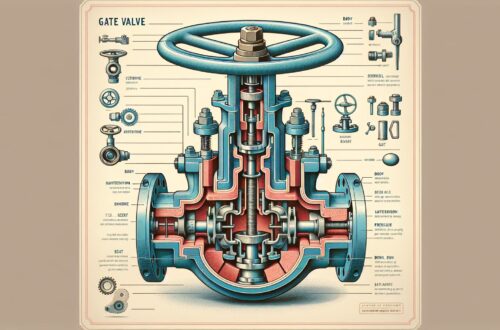
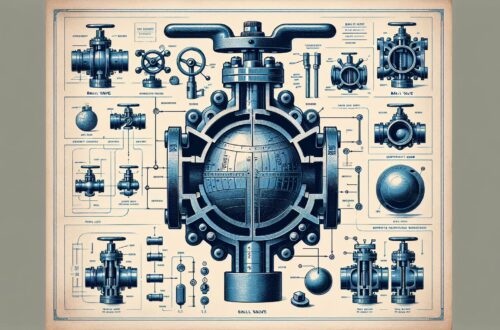
Valve Automation: An Integral Component of Modern Industries
Industrial valves play a pivotal role in controlling the flow and pressure of liquids, gases, and slurries within a system. They are designed to regulate, halt, or initiate the flow of these substances through a network of pipes, hoses, or passage ways. From simple plumbing systems to complex industrial networks, valves provide the much-needed leverage to optimize performance and safety. One significant area where valves contribute to improved industrial processes is automation. Valve automation is a revolutionary application of technology in industries such as oil and gas, chemical, and wastewater treatment, among others.
Definition of Valve Automation
Valve automation refers to the use of technology (especially electromechanical technology) in the operation of valves. This technology often includes actuators, sensors, and control systems that can either partially or entirely automate the process of opening and closing valves. The system enables the quick and precise control of flow irregardless of the industrial environment’s nature, thereby enhancing efficiency and safety.
The Implication of Valve Automation
Automation of valves promotes both efficiency and safety in numerous ways.
- Promotes Quick Control: Automated valves can open and close faster than manual ones, thereby reducing the time required to control a system’s flow, especially during emergencies.
- Precision: Automation in valves provides a level of control that is hard to achieve manually. It allows the adjustment of the flow to the most accurate levels.
- Safety: Manually operated valves are often located within the reach of operators. Some industrial environments could be potentially dangerous or hazardous, therefore making automation a safer alternative.
- Enables Remote Control: The automatic operation of valves makes it possible for them to be controlled remotely. This contributes to both convenience and safety.
Integral Components of Valve Automation
The key components of valve automation include actuators, sensors, control systems, and solenoid valves.
Actuators
Actuators are devices that convert energy into motion. They are attached to the valve and are responsible for initiating the opening or closing operation of the valve. Actuators can operate based on various types of energy sources, such as air pressure, electric current, or hydraulic fluid pressure. They come in different types, including pneumatic actuators, electric actuators, and hydraulic actuators.
Sensors
Sensors are designed to detect changes in environmental conditions. In valve automation, sensors measure parameters such as pressure, temperature, and fluid level. The information gathered by the sensors guides the actuator’s operation, consequently offering precise control over the valve’s operation.
Control Systems
Control systems are digital devices that interpret and process the data produced by sensors. This data is then used to command the actuator to open, close, or adjust the valve to required specifications. The control systems can be programmed to automate the valve operations fully or allow for manual intervention when necessary.
Solenoid Valves
These are electromechanically operated valves that are controlled by an electric current through a solenoid coil. Solenoid valves play a significant role in enabling the precise and quick control of gases and fluids in an automated valve system.
Conclusion
With the increasing demand for efficient and safe industrial processes, the importance of valve automation cannot be overstated. Its promise of precision, quick control, safety, and remote operation makes it an attractive prospect for industries. As technology advances, the sophistication and capabilities of automated valves are set to increase, promising an even greater revolution in industrial processes.
References
- Tahir, M. H. (2015). Automated Valves – A Step Towards Smart Manufacturing. Journal of Mechantronics, Pilani.
- Piplani, R. (2018). Valve Actuators: A Comprehensive Study. Industrial Research Institute, Chennai.
- Khan, A. (2016). Role of Control Systems in Valve Automation. Control Engineering Magazine, London.