Understanding the Complexities of Valve Selection
Valve selection is a critical step in the design of any fluid processing system. Valves form an integral part of pipes and equipment used in industrial settings, taking on responsibility for distrubuting fluid from one section to another. There exists numerous valve types, each designed based on operation methodology and intended application. In this discourse, we’ll delve into the complexities surrounding valve selection, furnishing expert insight to guide the selection process.
Defining An Objective
Before focusing on valve selection, it becomes essential to clarify the purpose for which the valve is intended. Questions regarding whether the valve will support isolation, throttling, or non-return applications should be addressed in this initial phase of selection. Production environments, whether chemical, pharmaceutical, or the food industry, have varying requirements. For example, butterfly vales may be ideal for isolation applications in high-volume water treatment facilities, while smaller diaphragm valves might be superior for precise flow control processes in a pharmaceutical plant^[1^].
Understanding Valve Types
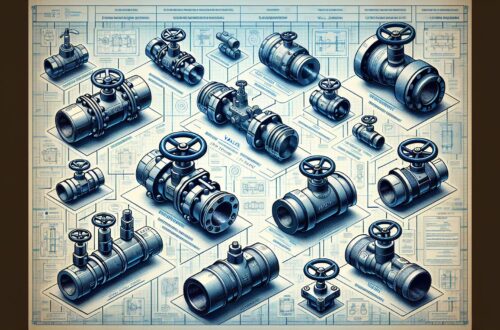
When it comes to valve types, there is a wide range from which to choose. The primary classes include gate valves, globe valves, check valves, and ball valves, among others. Gate valves operate by lifting a gate out of the path of the fluid. They are well-suited for isolation services and are an excellent choice for minimal leakage, but are not typically used in throttling services.
On the other hand, globe valves create flow resistance by forcing the fluid to change direction, which is an ideal characteristic for throttling services. Check valves are used to prevent backflow in a system. They automatically open to allow flow in one direction and close when flow reverses.
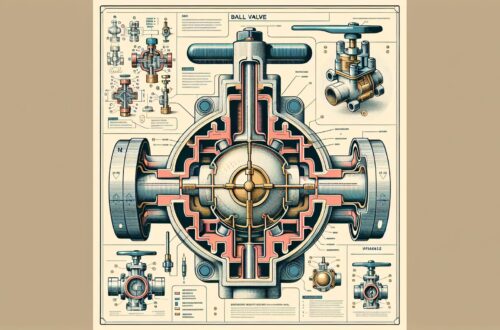
Ball valves are part of the quarter-turn valve family, which also includes butterfly and plug valves. They allow for fast and reliable operation and are suitable for general isolation applications as well as some throttling services. In all scenarios, the valve type should align with the intended function to deliver efficiency and reduce premature wear^[2^].
Consideration of Valve Materials
Selection of appropriate valve materials forms a solid chunk of the selection process. The primary concern is the compatibility of the valve material with the fluid being processed, temperature, pressure, and the surrounding environment. Materials for valve construction range from metals such as brass, bronze, iron, stainless steel, and carbon steel to non-metals like PVC, CPVC, and other plastic materials.
Also, the seat and sealing materials, often comprising elastomers like Buna-N, EPDM or Viton, Teflon, and other materials, hold equal importance. A great example is the application of stainless steel valves in high-temperature processes or the use of PVC valves in low-pressure and temperature applications like water treatment or chemical conveyance systems^[3^].
Pressure and Temperature Ratings
When it comes to the rigors of industrial environments, the pressure and temperature ratings of a valve cannot be overlooked. It becomes necessary to determine the maximum pressure and temperature that the valve will experience throughout its service life. Only those valves that can withstand these extremes should be considered, assuring safety, and long-term operation.
Operational Requirements
Operational requirements encompass factors comprising actuation and control. Valve actuation may be manual, hydraulic, pneumatic, or electric, each having its own benefits, depending upon the operation requirements. Electric actuators, for example, can offer accuracy and swift response, while manual actuators offer cost-effectiveness and ease of installation.
Furthermore, modern plants are capitalizing on valve automation using valve positioners and control systems, gaining advantage from improved process control. Robust valves coupled with smart control systems optimize operation, improve safety, reduce maintenance costs, and significantly increase the life expectancy of equipment.
Conclusion
To conclude, the process of valve selection is no small feat. It requires deep understanding and appreciation for a multitude of factors, each impacting the function and longevity of the valve. Carefully considering every factor, from valve type to materials, operation environment to automation requirement, a prospective valve can be chosen that aligns with operational goals, guarantees safety and offers long-term reliable service.
References:
[^1^]: C. Hansen, Selecting the Right Valve Design for your Application, Valve Magazine (2012). (https://www.valvemagazine.com/home/article/1493-selecting-the-right-valve-design-for-your-application.html)
[^2^]: F. Plumer, Factors to Consider When Selecting a Valve, The Chemical Engineer (2016). (https://www.thechemicalengineer.com/features/factors-to-consider-when-selecting-a-valve/)
[^3^]: Valve Basics, Materials for Valves, The Valve Manufacturing Association. (http://valvebasics.com/resources/materials-for-valves/)