Comprehensive Guide to Gate Valves: Functionality, Design, and Maintenance
The purpose of this guide is to provide detailed insights into all aspects of gate valves, ranging from their mechanism, design, functionality, to their repair and maintenance. Gate valves play a crucial role in industrial control applications, maintaining regular flow in pipelines, and securing a system during emergencies.
What is a Gate Valve?
A gate valve, also known as a sluice valve, is typically used to either completely stop or fully allow the flow of fluid in a system, making it an ideal shut-off valve. It uses a flat, or sometimes, wedge-shaped gate to inhibit or allow the flow, hence the name ‘gate valve’¹.
Design and Functionality
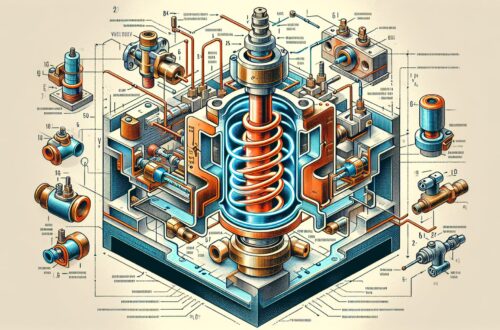
The design is impassively simple yet efficient. It consists of the body, the bonnet, the trim (which includes the disc and the seat), the stem, packing, and the actuator (including a handwheel, lever, electric motor, or pneumatic operators)².
Here’s a step-by-step breakdown of a typical gate valve operation:
1. When the valve is fully open, the gate is fully drawn up into the valve, which allows the fluid to flow freely.
2. As the gate slides down by turning the actuator, it blocks the path of the fluid, gradually reducing the flow.
3. When the gate is fully closed, the fluid flow is completely stopped.
Gate Valve Types
There are three main types of gate valves based on the disc design:
- Wedge gate valves: These are the most common. They use two inclined seats and a slightly mismatched inclined gate.
- Parallel gate valves: These valves have a flat disc gate between two parallel seats, and use a spreading mechanism to press the gate onto the seats for enhanced sealing.
- Knife gate valves: These have a sharp edge on the bottom to cut through flowing media with particles.
Material Choices
Choosing the right material is critical as it affects the valve’s performance, durability, and compatibility with the operating conditions. Common materials used in gate valves include cast iron, ductile iron, carbon steel, stainless steel, alloy steels, and bronze. Certain special applications may require exotic alloys, Hastelloy, Inconel, or titanium³.
Maintenance and Repair
Gate valves require regular inspection and maintenance to ensure they are operating efficiently. The process includes:
- Regular physical inspections to check for leaks
- Routine functional tests to ensure valve closure
- Overhauls or internal inspections after a few years
- If a valve seat or gate is damaged, it might require repairs or, in some cases, replacement.
Conclusion
Gate valves are an integral part of many industries where fluid flow control is essential. Understanding their design, functionality, choosing the right material, and regular maintenance will enhance performance and increase longevity.
References
- Flanders, John. (2011). The nuts and bolts of gate valves. Valve Magazine. Retrieved from http://www.valvemagazine.com/magazine/sections/features/5694-the-nuts-and-bolts-of-gate-valves.html
- Castanon, Ariel. (2013). Control Valves | Types, Applications, and Selection tips. ScienceDirect Topics. Retrieved from https://www.sciencedirect.com/topics/engineering/gate-valve
- Vega, Carlos. (2017). Selection Criteria for the Material of Valves (Technical Data Sheet). Arveng Training & Engineering. Retrieved from https://www.arvengtraining.com/blog-selection-criteria-materials-valves-data-sheet/