Understanding Butterfly Valves: Selection, Installation and Maintenance
Butterfly valves, initially used in the water and wastewater industries, are now being employed in various sectors due to their features like simplicity, compactness, ease of use and cost-effectiveness. This article will provide comprehensive insights on butterfly valves, addressing their selection, installation, and maintenance.
What is a Butterfly Valve?
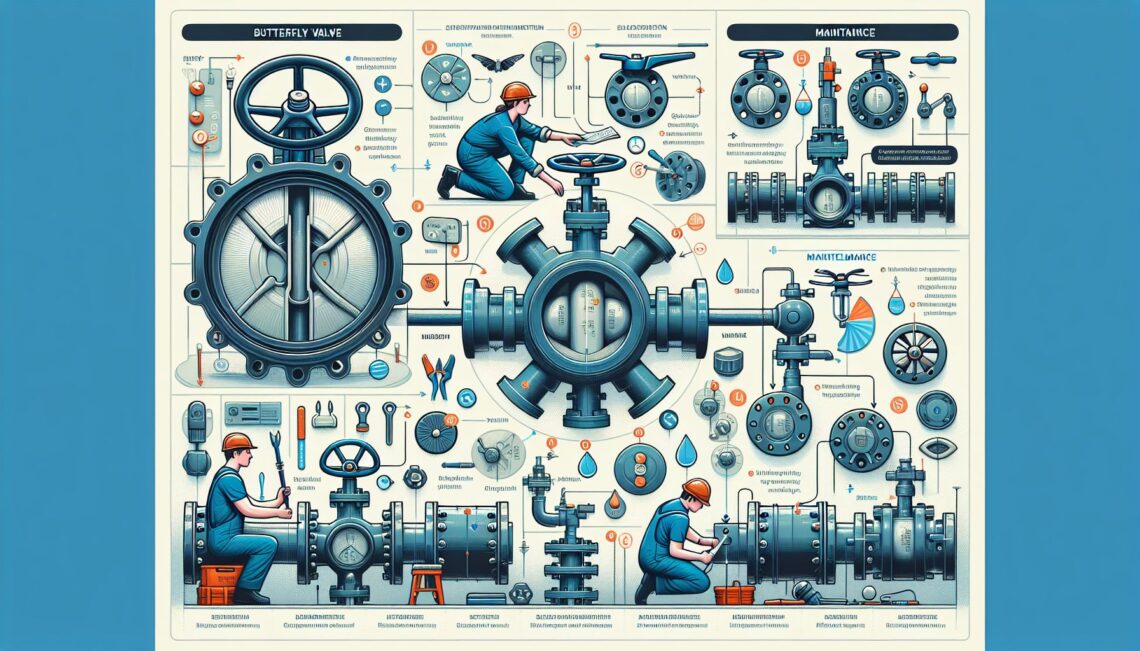
Butterfly valves are flow control devices used to regulate the flow of fluids in piping systems. They appear distinct due to their simplistic yet highly functional design, incorporating a disk mounted on a rotating shaft. When the valve is closed, the disc is turned to block off the flow if it’s opened, the disc is rotated a quarter turn or 90 degrees to allow flow.

Selection of Butterfly Valves
Choosing the correct butterfly valve requires careful consideration of several factors. Key considerations during valve selection include:
-
Valve Size: The size of the valve is determined by the diameter of the pipe in which it will be installed.
-
Pressure Rating: Butterfly valves should be chosen based on the pressure they are designed to withstand, which must be above the maximum pressure of the system they are being installed in.
-
Temperature Rating: The material the valve is made from determines the temperatures ranges the valve can withstand.
-
Chemical Compatibility: The valve must be compatible with the fluid being controlled to prevent corrosion or other damages.
-
Actuation method: Butterfly valves can be operated either manually or through automated means. The ideal method depends on the needs of the specific application.
Installation of Butterfly Valves
Proper installation of butterfly valves is crucial to their effective operation. Below are some general steps to follow during installation, although the specific procedures may slightly vary based on the manufacturer guidelines:
-
Initial Inspection: Check the valve for any visible damage and confirm that it is the correct product for the process.
-
Positioning: The disc should be in the partially open position to reduce the risk of damage during installation. The valve should be placed so the disc will open against the flow direction to decrease wear and tear on the valve.
-
Piping System Alignment: Ensure the pipe sections are aligned correctly before installing the valve, as misalignment can cause problems with the valve operation.
-
Sealing: Use the appropriate gaskets or sealing materials for the process conditions and align the bolt holes with the pipe flange holes.
-
Tightening: Bolts should be tightened progressively and evenly to avoid excessive pressure on one side of the flange.
Butterfly Valve Maintenance
Routine maintenance of butterfly valves can mean the difference between a valve that lasts for years with minimal problems and one that requires constant repairs. Here are some general maintenance tips:
-
Regular Inspections: Regularly assessing the condition of the valve can help detect issues before they become significant problems.
-
Seal Replacement: The seals in butterfly valves do not last forever. They should be inspected often and replaced as necessary.
-
Lubrication: Lubrication should be done regularly to ensure smooth operation.
-
Cleaning: Keeping the valve clean is critically important, especially in applications where sediment or debris may accumulate.
In conclusion, butterfly valves play a pivotal role in controlling the flow of fluids in various industries. Choosing the right valve, installing it properly, and maintaining it regularly are essential steps to ensure their longevity and smooth operation.
Sources: