Understanding Solenoid Valves: Installation, Maintenance, and Common Failure Modes
Solenoid valves have gained immense popularity in the field of fluid control systems. These valves are extensively utilized in various industrial sectors such as food and beverage industry, pharmaceutical, manufacturing, oil and gas systems, and other automation systems[^1^]. They are supremely efficient, reliable, and offer precise control, making them a preferred option for numerous applications. However, without proper usage and maintenance, solenoid valves may lose their efficiency or even malfunction.
This article intends to equip you with comprehensive knowledge about solenoid valves— their installation, maintenance, common failure modes, and how to address them effectively.
What are Solenoid Valves
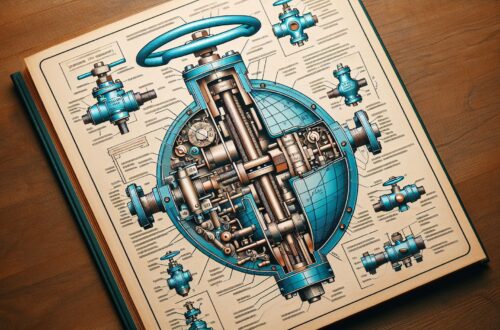
Solenoid valves are electromechanically operated valves, designed to control the flow of liquid or gas. They come with different design configurations and work principles, depending on the type of application they are used for. The most significant aspect of a solenoid valve is its quick and safe switching mechanism, coupled with high reliability and compact design[^2^].
Installation of Solenoid Valves
Proper installation of a solenoid valve is fundamental to its performance and longevity. Here are some key steps to consider during the installation process:
-
Before commencing with the installation process, it is essential to understand the type of solenoid valve you’re dealing with, as each type requires a different installation approach.
-
Identify the flow direction of the fluid. In most solenoid valves, an arrow is present on the valve indicating the flow direction.
-
Be sure to only install the solenoid valve in the position specified by the manufacturer. Most valves are designed to be mounted in the upright position, with the coil on top.
-
Ensure the pipeline system is clean and free from impurities before installing the valve. Particulate matter can block or damage the valve.
-
Make sure to connect and configure the solenoid coil to the appropriate power supply, in accordance with the manufacturer’s instructions.
-
Lastly, test the valve for leakage before you start the system. This can be performed by applying a low-pressure air test[^3^].
Maintenance of Solenoid Valves
While solenoid valves are known for their durability and long service life, they do require routine maintenance to ensure their optimal functionality. The key aspects of maintaining solenoid valves are as follows:
-
Always adhere to a regular maintenance schedule recommended by the valve manufacturer. Regular inspection helps in early detection of any potential issues.
-
A periodic cleaning of the valve’s interior parts is required to avoid blockages and maintain optimal flow control.
-
Regularly inspect the solenoid coils for any signs of overheating or damage. Solenoid coil failure is one of the most common reasons for valve malfunction.
-
Utilize the appropriate tools for valve maintenance to avoid causing damage to the valve components.
-
Ensure the environmental conditions where the valve is installed match the specifications mentioned by the manufacturer.
-
Replace the worn-out parts immediately to prevent any damage to the other components of the valve[^3^].
Common Failure Modes of Solenoid Valves
While solenoid valves are designed to last, like any other mechanical device, they may fail over time. Identifying common failure modes and understanding the reasons behind these failures can be beneficial in preventing potential downtime. Three types of failures are most frequent:
-
Solenoid Burnout: This usually happens when the solenoid coil overheats. Overvoltage or holding the valve open for an extended period may lead to this condition.
-
Leakage: Improper installation, excessive pressure, or worn out seals can cause the valve to leak.
-
Failure to shift: This can occur when there’s an obstruction in the valve core, making it unable to function properly and leading to the valve staying in one position[^3^][^2^].
Being vigilant about these failures and carrying out regular maintenance and inspection rounds can significantly reduce the chances of operation failure— thereby increasing the solenoid valve’s lifespan.
In conclusion, solenoid valves—with the right installation, maintenance, and awareness about common failure modes— can be an efficient and reliable component of any fluid control system. Their key benefits of quick and safe switching, compact design, and specialized functionality make them integral to numerous industrial applications. Comprehending how they work, and more importantly, ensuring their regular upkeep will yield optimal performance and a remarkable return on investment.
^ [^1^]: Source: ASCO, “Solenoid Valves – Basics & Types”
[^2^]: Source: SVS, “How To Prevent Solenoid Valve Failures”
[^3^]: Source: SMC, “Proper Installation and Maintenance of Solenoid Valves”