A Comprehensive Guide on Valve Maintenance
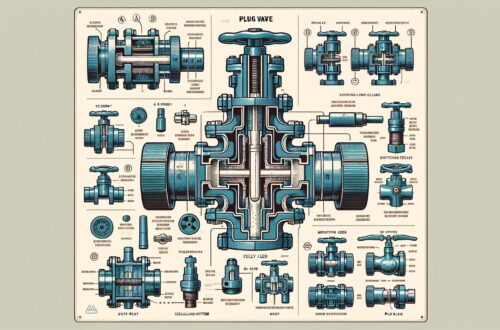
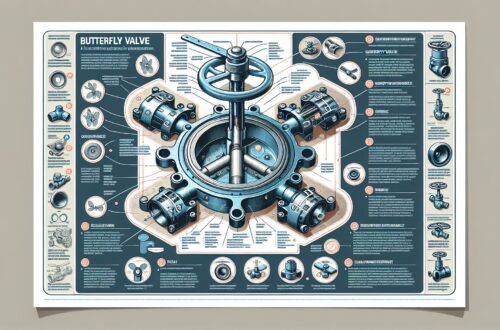
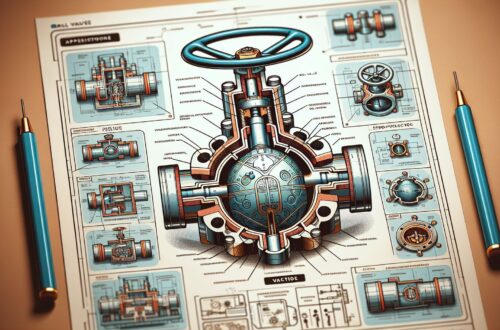
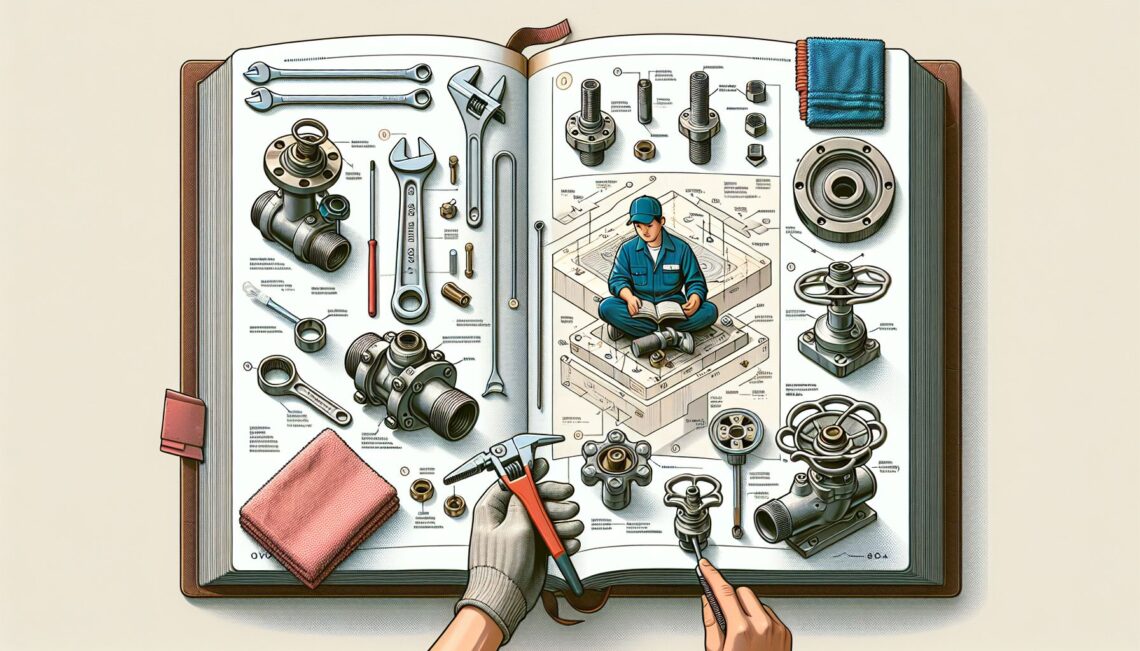
Valve maintenance is a critical aspect in ensuring the efficient functioning of different types of valves in various industrial applications. These include the broad categories such as ball valves, butterfly valves, diaphragm valves, gate valves, globe valves, check valves, and many more. Regardless of the type of valve, maintenance should always take priority to ensure smooth operation and avert any disastrous consequences that could emerge from a defective valve.
Why Valve Maintenance is Important
Routine valve maintenance offers ample benefits, saving industry operators from many unwarranted consequences. Firstly, it enhances the lifespan of the valves, eliminating the frequency of valve replacement, which might be costly. Secondly, proper valve maintenance can increase the efficiency of the valves, ensuring a smooth operation of your machinery. Moreover, valve maintenance can minimize potential risks that could result from defective valves, promoting a safer working environment [1].
Different Aspects of Valve Maintenance
Valve Testing
Valve testing is a part of the maintenance process that ensures the valve functions at its best operating condition. Here, different parameters are tested, such as the valve leakages, valve noise, valve pressure drop, and valve flow characteristics, among others. For instance, valve leakage testing can help detect any external or internal leaks which could impact the valve’s performance.
Valve Repair
In case of any detected issues during valve testing, the next process would be valve repair. Valve repair could involve fixing problems such as the valve seat, packing material, valve stem, among others.
Valve Replacement
In cases where the valve is beyond repair, a replacement may be the viable option. Some considerations to make when replacing a valve may involve valve sizing and selection [2].
Valve Actuation
Valve actuation is another aspect to look into during valve maintenance. You need to ensure that the valve actuators are functioning properly. This may involve checking actuator types, valve positioners, and valve limit switches.
Valve Material
Valve maintenance also calls for careful consideration of the valve material and the appropriateness of the material for the intended application. For instance, if the valve’s material isn’t corrosion-resistant, then it may not be suitable for certain applications.
Regularly Scheduled Maintenance
Having a scheduled valve maintenance program helps in identifying any potential issues before they manifest into serious problems. Here, it is always better to focus on valve predictive maintenance rather than reactive steps, where you wait for a problem to happen so that you can fix it [3].
Conclusion
In conclusion, valve maintenance isn’t a task to overlook. It is a preventive measure that can save companies from extra costs and even fatal incidents. Adequate investment in preventive maintenance can go a long way in keeping valve-related problems at bay. In cases where advanced maintenance is necessary, seeking professional service is highly advised to prevent unnecessary costs and ensure the best quality service.
References
- “Diagnostic Accuracy of the Valve Guide: A Multicenter Study“, Journal of Cardiology, 2019
- “An Integrative Approach to Valve Replacement“, Journal of Composites Science, 2021
- “Scheduled Maintenance with Minimal Disturbance“, Journal of Procedia CIRP, 2017