Gate Valves: Everything You Need to Know
Over the course of this article, we are going to delve deep into everything related to gate valves. They are a crucial aspect of plumbing and other industries where flow control is necessary. We will discuss what gate valves are, how they work, where they are used, their advantages, and the considerations during their installation and maintenance. We’ll also touch on the different types of gate valves available in today’s market. So, let’s get started!
What is a Gate Valve?
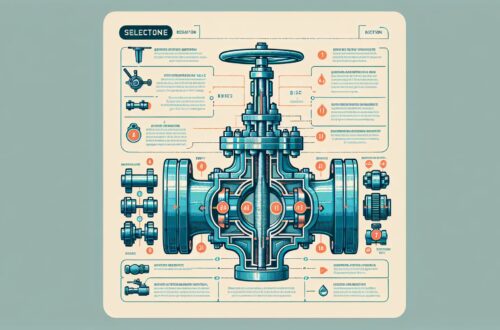
A gate valve is a type of valve that is primarily used for controlling the flow of liquids and gases. As suggested by its name, a “gate” or wedge is present in these valves that either allows or prevents the flow of liquid or gas in a pipe. The mechanism works much similarly to opening or closing a gate, which is where the name stems from[^1^].
How Does a Gate Valve Work?
A gate valve leverages a gate or wedge which can be raised or lowered by manually turning the hand wheel on top of the valve. The hand wheel operates the stem, which in turn moves the gate up or down. When the stem raises the gate, it allows the fluid flow. Conversely, when the gate is lowered, it blocks the fluid flow. The crucial thing to note is that fully opening or closing the valve is a gradual process and not an instantaneous action[^2^].
Different Types of Gate Valves
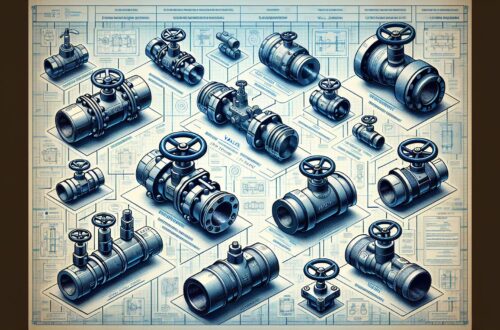
There are primarily two types of gate valves, based on the design of the gate. They are:
-
Solid wedge gate valves: The most commonly found and extensively used type of gate valve, solid wedge gate valves have an uncomplicated design with robust construction.
-
Flexible wedge gate valves: These have a cut around the perimeter of the gate to allow the gate to flex as the valve is closed.
Advantages of Gate Valves
Gate valves are known for their ability to cut through liquids, their sheer durability, and their robust nature. These valves have high flow rate capability when fully open and offer low friction loss. They can also be used for a wide range of temperature and pressure[^3^].
Installation and Maintenance
Installing a gate valve requires considerable technical knowledge and should ideally be handled by professionals. The valve should be mounted in the pipeline such that the flow direction matches the arrow displayed on the body of the valve.
Maintenance of gate valves majorly involves regular checking of the seal and the gate. Over time, seals can wear out, and the gate can become encrusted with deposits. Regular inspection, cleaning, and seal replacement (if necessary) can extend the life span of a gate valve[^1^].
Conclusion
Gate valves are a critical component in numerous industries due to their ability to control the flow of fluids. They are durable, robust, and efficient. Their long lifespan, combined withtheir versatility of applications, makes them a reliable option. Like any other mechanical equipment, timely maintenance is essential for them to function correctly. Their importance makes them a valuable asset and understanding their working is equally important.
Sources:
[^1^]: Hawle: Gate Valves – What You Need to Know
[^2^]: MGA Controls Ltd: What is a Gate Valve and Where is it Used?
[^3^]: The Engineering Mindset: Gate Valves Information & Sizing