Gate Valves: An In-Depth Guide to Their Function, Maintenance, and Selection
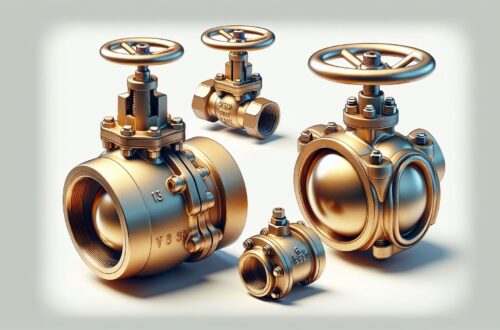
A gate valve, often known as a sluice valve, is a tool used to control the flow of fluid (including gas, oil, and water) in pipes. It’s a valve type that opens by raising a round or rectangular gate or wedge out of the way of the fluid. They are one of the crucial types of valves employed in a variety of sectors, including oil & gas, marine, manufacturing, and many more. The thorough understanding of its working principle, utilization, selection, installation, and maintenance is undoubtedly imperative. This guide seeks to provide an extensive overview of gate valves, how they function, and tips for their upkeep and selection.
Function of Gate Valves
The gate typically falls into one of two fundamental physical designs: parallel and wedge-shaped. The parallel gates employ a flat disc gate between two parallel seats, and a popular type of parallel gate is a knife gate valve. As the valve completely opens or closes, the wedge-shaped gates are mostly used. Gate valves operate by ensuring a straight-line flow of fluid. The principal function in typically isolating systems, as this process enables minimization of the potential for water hammer [^1^].
Types of Gate Valves
There are mainly four types of gate valves: solid wedge gate valve, flexible wedge gate valve, split gate valve, and parallel disk gate valve. Each one of these serves specific purposes in different industrial applications [^2^].
Solid Wedge Gate Valve
The most common and universally used type for its simplicity and strength. A solid wedge is single-piece solid construction, and the valve can be installed in any position and it is suitable for almost all fluids.
Flexible Wedge Gate Valve
Its design offers less tendency for jamming and prevents bending of the wedge in high-temperature service.
Split Gate Valve
Also known as double-disc gate valve, it employs two-piece disc or twin discs to improve the alignment with the seats.
Parallel Disk Gate Valve
This valve relies on springs or lifting devices to push the disc against the valve seats to prevent leakages.
Gate Valve Selection
The selection of a suitable gate valve is crucial and depends on several factors. It’s essential to choose a gate valve that can handle the nature of the application’s pressure, temperature, and corrosive nature of the working substance [^3^]. The factors affecting gate valve selection include:
– Body Material: The body material should be chosen to match the application parameter, i.e., Temperature, Pressure, and Media.
– Operation: Depending upon the operation requirements, one can choose manual, electric, or pneumatic operation.
– Size: The size selection should be compatible with the pipeline’s size.
– End Connections: Compatibility with the existing system is essential while choosing end connection designs such as flanged, screwed, or butt-weld.
Gate Valve Maintenance and Repair
Periodic maintenance of gate valves can extend their lifespan and ensure they perform optimally. Regular inspections for leaks and timely lubrication are routine, an indispensable maintenance procedure. Over time, components such as seals, gaskets, and the valve stem may need replacement [^1^].
For repair, take care of simple things first—like, if a valve is hard to turn, don’t force it. Instead, use penetrating oil to loosen it up. If a valve is leaking, try gently tightening the packing nut. If replacement parts are not easily obtainable or if the valve is defective, don’t stress—it can be replaced [^3^].
Using gate valves in a manner that they are designed for and regularly maintaining them will protect them from potential failure modes and extend their functional life.
Conclusion
Gate valves play a critical role in various industries due to their capability to start or stop the flow, provide minimal pressure drop, and serve as pipe isolation. Understanding the workings, ensuring proper selection, and regular maintenance of these valves can lead to significant cost savings and efficient operations.
[^1^]: OMEGA Engineering. (2019). An Overview of Industrial Valves – Part I: Gate Valves. https://www.omega.com/en-us/resources/overview-of-industrial-valves-part-i-gate-valves
[^2^]: DFT Valves. (2020). The World of Gate Valves. https://www.dft-valves.com/gate-valves
[^3^]: Engineering Circle. (2021). Gate Valve Selection Guide. https://www.engineeringcircle.com/valve-selection/gate-valve-selection