Solenoid Valves: Your Guide to Understanding and Using Them
Solenoid valves, an unsung hero in the field of fluid control. They are used in a wide range of industries, from automotive to irrigation, to machinery and even in household appliances. If you have ever wondered about those hidden components that carry out incredible tasks, you have come to the right place. This article will provide an in-depth understanding of solenoid valves: their working mechanism, types, and uses. So without further ado, let’s get started.
What are Solenoid Valves?
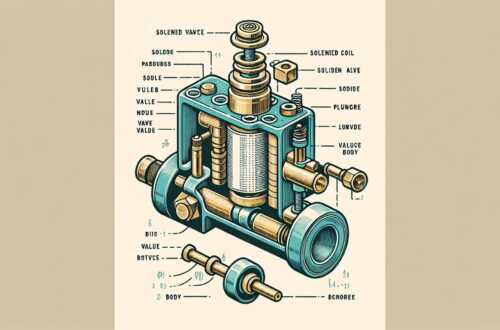
In the most basic terms, a solenoid valve is an electromagnetic valve used for controlling fluid or gas flow. The valve features a solenoid (a coil of wire wound around a metallic core), producing a magnetic field when an electric current passes through it. This magnetic field, in turn, allows for control of the valve.
How Does a Solenoid Valve Work?
When the solenoid is energized by electricity, the magnetic field causes the plunger inside the coil to shift, which then either opens or closes the valve. This is a simple on/off scenario. They typically default to a closed position, meaning without electricity, the spring (or servo-assist) keeps the valve shut. When in use, electricity overcomes the spring, allowing for fluid flow[^1^].
Types of Solenoid Valves
There are two main types of solenoid valves – direct acting and pilot-operated. In direct acting solenoid valves, the plunger directly opens or closes the valve. As for pilot-operated valves, they use the differential in pressure to facilitate the opening and closing of the valve[^2^].
These valves can also be characterized based on the number of paths for fluid to flow – 2-way, 3-way, and 4-way valves.
Real-Life Applications of Solenoid Valves
From being a critical part of your dishwasher or washing machine to controlling the flow of fuel in an industrial burner, solenoid valves are everywhere. They are essential in automatic irrigation sprinkler systems and even in paintball guns! They are used in vending machines to dispense drinks and in medical equipment for controlling the flow of gases and fluids.
A significant application of solenoid valves is in the automotive industry. Fuel injectors controlled by solenoid valves ensure that gasoline enters the engine at the right time aiding in the car’s efficient functioning[^3^].
In industry, these valves carry out tasks from controlling water for irrigation, to controlling the main supply of clean or dirty water. They control the flow of various liquids and gasses in factories and plants, making sure everything runs smoothly and efficiently.
Conclusion
Solenoid valves are undoubtedly significant. They may be small, electromagnetically operated devices, but their impact is huge. By simplifying the control of fluid and gas flow, and allowing for automation, they help ensure the smooth running of everyday appliances and industrial equipment alike.
Whether you are a business owner, a homeowner, or a curious soul, understanding solenoid valves allows you to appreciate the sophistication and convenience they bring to various systems. They truly streamline flow control, taking automation to the next level!
[^1^]: The Engineering Mindset
[^2^]: DFT Valves
[^3^]: Mead O’Brien