An In-depth Look at Ball Valves: Types, Advantages, Applications and More
Ball valves have a crucial role to play when it comes to controlling the flow of fluids in various industrial processes. Known for their reliable sealing capabilities and durability, these valves are a boon to industries worldwide. As we delve deeper into this article, we will unravel the various dimensions surrounding ball valves, including their types, applications, advantages, and more.
What is a Ball Valve?
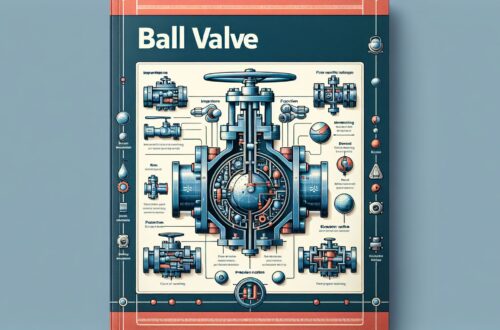
A ball valve, as its name suggests, takes a ball-shaped disc as its essential part. This ball has a hole or port through its center. When the valve is open, the hole aligns with the direction of the fluid flow, allowing it to pass through. On rotating the valve by 90 degrees such that the hole is perpendicular to the flow, the valve closes and blocks fluid flow[^1^].
Types of Ball Valve
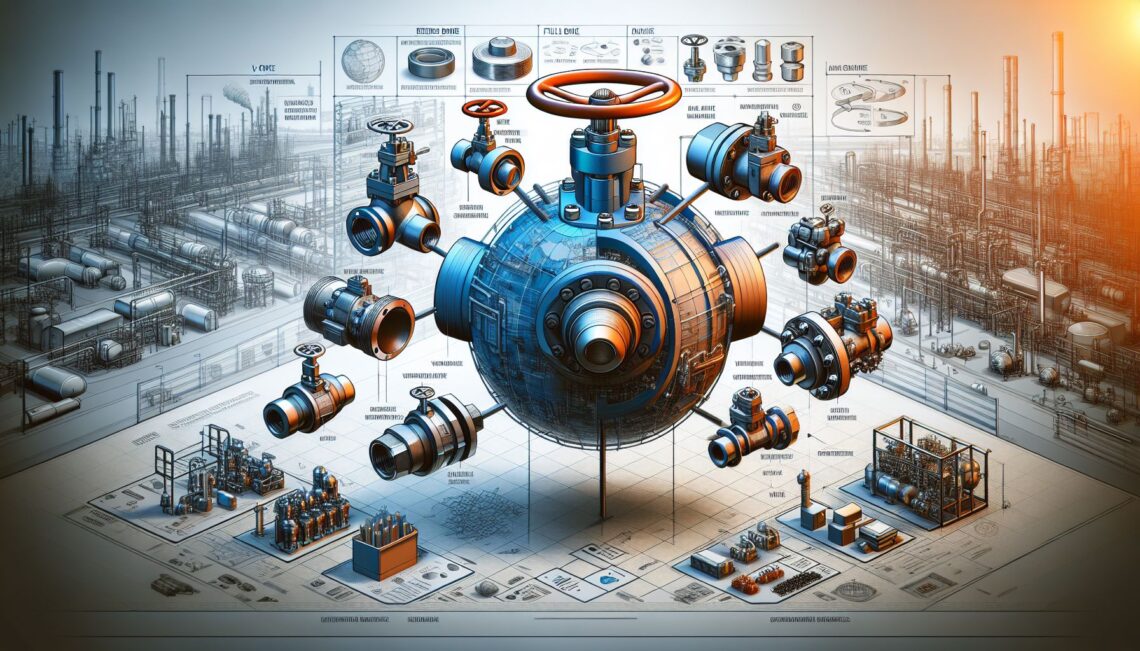
Ball valves come in three primary types – full port, reduced port, and v port ball valves.
Full Port Ball Valves
Also known as full bore ball valves, these have a bore internal diameter (ID) almost equal to the pipeline’s ID. This design approach ensures a minimal pressure drop as the fluid passes through the valve.
Reduced Port Ball Valves
These have a smaller ball and bore ID compared to the connecting pipeline. It makes them more economical but with a higher pressure drop than full port valves.
V Port Ball Valves
The ball or the seat in this type has a ‘v’ shaped port. They offer better control to regulate flow and pressure and are thus used in applications needing flow throttling[^2^].
Advantages of Ball Valves
Ball valves come with several benefits, some of them include:
- High sealing efficiency, ensuring minimal leakage.
- The quarter-turn operation makes them quick to open and close.
- They can withstand high pressures and temperatures, making them ideal for extreme conditions.
- They are durable and require minimal maintenance.
Applications of Ball Valves
Ball valves are extensively used across various industries due to their reliability. Some key industries and applications include:
Oil and Gas Industries
These industries need valves that can handle high pressures and temperatures and offer excellent sealing efficiency. Ball valves are perfect for these roles.
Water and Sewage Treatment Plants
In such plants, ball valves control fluid flow during treatment and transport stages.
Pharmaceutical and Food Industries
Due to minimal chances of contamination and the ability to be thoroughly cleaned, ball valves find ample applications here[^3^].
Conclusion
Ball valves, with their essential role in numerous industries and utilities, continue to contribute significantly to their operational efficiency and safety. While advances in technology will bring in more innovative features and capabilities, the fundamental role of a ball valve – as a reliable and efficient fluid flow controller – is here to stay.
From a user or maintenance perspective, understanding the types, capabilities, limitations, and appropriate usage of ball valves can go a long way in ensuring safe, efficient, and cost-effective operations.
[^1^]: Engineering Toolbox. Ball Valve Flow Coefficients C Values. Engineering Toolbox.
[^2^]: Valve MD. Types of Ball Valves. Valve MD.
[^3^]: Industrial Spec. Applications of Ball Valves. Industrial Spec.