Valve Maintenance: Towards Efficient and Safe Operations
Valve maintenance is a critical aspect of plant optimization and operational safety in various industries. Proper maintenance regimes can minimize downtime, prolong valve lifetime, and ensure efficient performance. This comprehensive guide explores the importance and dimensions of valve maintenance.
The Importance of Valve Maintenance
Valves play an integral role in controlling the flow and pressure of fluids in numerous industries, from oil and gas extraction to food processing. Like any mechanical equipment, they suffer from wear and tear, material degradation, and damage from adverse conditions. Without regular and appropriate maintenance, misaligned or faulty valves can result in leaks and inefficiencies, endangering worker safety, production efficiency, and costing hundreds of thousands in repair or replacement costs[^1^].
Therefore, valve maintenance is an essential part of plant operations to ensure optimal efficiency, average operational reliability, lower maintenance costs, and enhanced safety.
Understanding Valve Maintenance
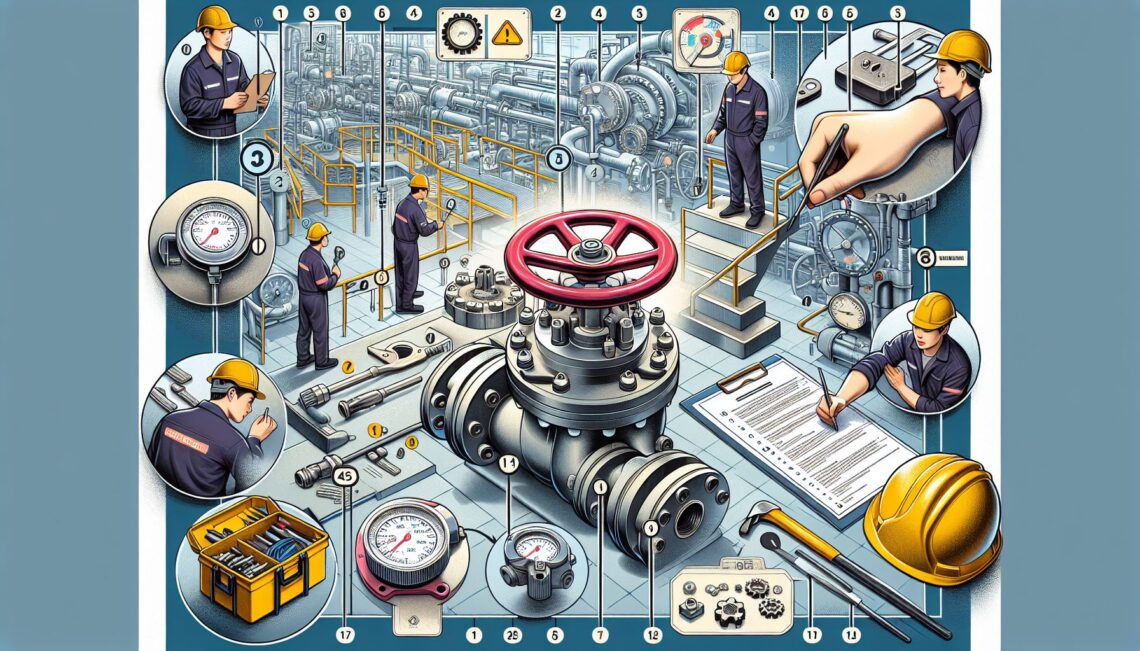
Maintenance does not simply refer to regular cleaning or periodic inspections. It encompasses several aspects, including but not limited to:
- Inspection: Regular visual checks for any signs of external damage, wear, corrosion, or leakage. It also extends to insitu testing using non-destructive methods to assess internal components’ health and integrity.
- Repair: This involves fixing minor damages such as stem, packing or seal replacements, or re-machining corroded or worn seats or other surfaces.
- Testing: After repair or during preventative maintenance intervals, valves must be tested to ensure conformance to performance standards. Tests include functional checks, leakage tests, pressure tests, and actuator tests.
- Refurbishment/Overhauls: Major servicing that involves complete disassembly, thorough inspection, repair or replacement of damaged parts, followed by rebuilding and re-testing.
Maintenance can be characterized as reactive (or corrective), preventive (or time-based), and predictive (or condition-based). The choice depends on factors like criticality, duty cycle, exposure condition, and installation conditions[^2^].
Valve Maintenance Procedures
The actual maintenance process differs depending on the type of valve. Here is a broad outline:
- Preparation: Isolate the valve from the system by closing adjacent valves or blanking off the flow line. De-pressurize and drain the line.
- Disassembly: Depending on the valve type and the purpose of maintenance, remove the actuator, internals such as stem, disc, seat, etc.
- Inspection: Check for signs of wear, corrosion, cracking, or other forms of damage/cavitation on valve components. Inspect also the integrity of seals or packing.
- Cleaning: Clean the valve parts using appropriate cleaning agents. Some parts may require blasting for removing stubborn deposits or corrosion.
- Repair/Replacement: Repair or replace any faulty or worn-out parts.
- Reassembly: Assemble the valve components following the manufacturer’s guide. Ensure to replace all gaskets, packing, and other disposable parts.
- Testing: Perform pressure and operational tests to confirm sealing and operation.
Key Aspects of Valve Maintenance
- Valve Lubrication: Lubrication improves the functionality of the valve and increases its lifespan. It plays a significant role in sealed, rotating, or moving elements. The frequency of lubrication depends on factors such as the frequency of valve operation and the process conditions.
- Valve Adjustments: Valves with positioners or limit switches and safety relief valves require regular adjustments to ensure their correct functioning.
- Actuator Maintenance: Valve actuators, whether manual, pneumatic, or hydraulic, need periodic checks and maintenance for reliable operation[^3^].
Conclusions
Valve maintenance can make a significant difference in the operational efficiency and safety in any process industry. With awareness about the importance of valve maintenance and a clear understanding of the procedures and regularity requirements, facility managers can ensure the highest level of operational efficiency while limiting downtime and maintenance costs.
References
[^1^]: Valve World, (2019). “The importance of valve maintenance in processing applications.” Link
[^2^]: Plant Engineering, (2016). “Valve maintenance-Preventive maintenance takes a team effort.” Link
[^3^]: Valve Magazine, (2019). “Proper maintenance of industrial valves.” Link
Remember, valve maintenance is not just an operational practice; it is a strategic investment in safety and productivity.