Understanding the Essentials of Valve Maintenance
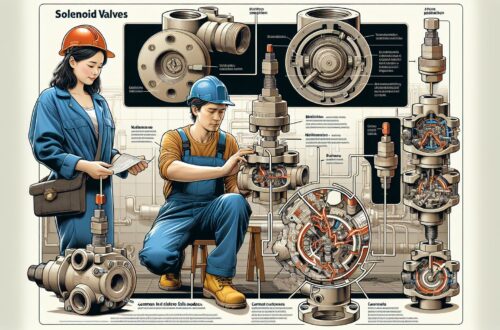
Valve maintenance is a core element in the operation and sustainability of industrial systems. These components, which comprise of numerous types including ball, butterfly, check, gate, globe, and diaphragm valves, play a critical role in controlling the flow and pressurization of fluids within a circuit. Failure to maintain and service these valves regularly can result in inefficiencies and, in severe cases, catastrophic operational failures. This article delves into the subtle yet invaluable aspect of valve maintenance to enlighten individuals working in industries that heavily rely on fluid or gas control systems.
The Importance of Valve Maintenance
Valve maintenance entails an array of processes aimed at ascertaining that valves operate efficiently and sustain such optimal functioning for extended periods. Routine valve maintenance is primarily involved in preempting and mitigating the effects of wear and tear and other elements on the valve components[^1^].
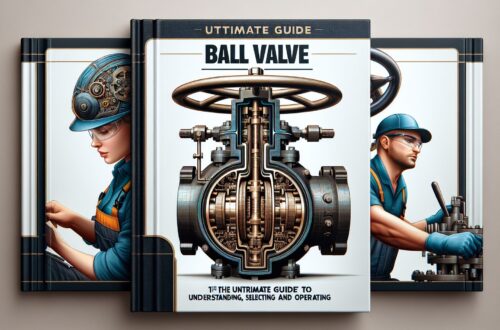
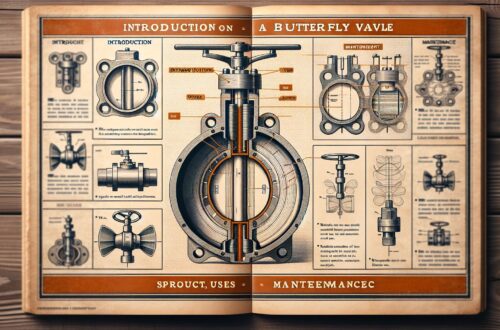
Successful valve maintenance requires an understanding of different valve types, their components, and the respective operation mechanisms. Ball valves, for example, have a hole through the middle that facilitates liquid flow when open and restricts it when closed. On the other hand, butterfly valves feature a disc mounted on a rotating shaft, which controls the flow of fluids. Because of these different structures and operations, diverse techniques are essential during maintenance.
Valve Maintenance Approaches
Professional valve maintenance can take different approaches that depend on various factors, such as the type and purpose of the valve, its setting, and the maintenance team’s skills. These approaches may be predictive, preventive, reactive, or reliability-centered[^2^].
Predictive Maintenance is often based on the condition and performance of the valve. Through regular checks and tests, you can predict when the valve might need repair or replacement.
Preventive Maintenance, as the name suggests, is carried out to prevent failures. This includes regular cleaning, lubrication, and seal replacement.
Reactive Maintenance involves making repairs only after a failure occurs. This is often less desirable due to the potential for unexpected downtime and increased repair costs.
Reliability-Centered Maintenance involves a thorough analysis of valve function, reliability, and consequences of failure to arrive at an optimal maintenance schedule.
Given the massive variety of valve models and their numerous applications, it is fundamental to apply the right combination of maintenance approaches to maintain efficiency and durability.
Valve Maintenance Procedures
Valve maintenance procedures can be quite detailed and demanding, particularly for complex valve systems with a broad spectrum of parts made from diverse materials. Still, be ready for common procedures such as:
-
Visual Inspection: This is an essential part of maintenance that helps identify any physical defects in the valve.
-
Functionality Test: Ensure the valve performs its function correctly. Open and close it to confirm it operates smoothly and fits well in its position.
-
Leakage Check: Look out for any leaks while the valve is open and closed. Continued valve leakage might indicate a fault, such as worn-out seats or damaged seals.
-
Cleaning: Over time, dirt and debris can collect in the valve, leading to its poor performance. Regular cleaning helps prevent these issues.
-
Lubrication: Parts like the valve stem require regular lubrication for smooth operation.
-
Replacement of Worn-Out Parts: Faulty components, such as seals and packings, need to be replaced promptly to prevent further valve degradation[^3^].
Conclusion
Valve maintenance is a significant aspect in sustaining the efficiency and performance of your valve systems. While it requires substantial knowledge and specialized skills, learning about valve maintenance can save you crucial downtime, repair costs and extends your valve’s lifespan.
Whether your valves are for wastewater treatment, pumping stations, or flow control, remember that routine maintenance and timely repair are essential to their durability and overall system performance.
[^1^]: The Valve Magazine: Valve maintenance- What is it and why is it important?
[^2^]: U.S Department of Energy: Valve Maintenance Guide.
[^3^]: Total Valve Systems: Regular Maintenance for Your Industrial Valves.