Ball Valves: Ultimate Guide to Understanding, Selecting and Operating
In numerous industrial applications, the unsung hero that ensures the smooth operation and flow of liquids and gases is the humble ball valve. Though it seems like an insignificant player in these industrial processes, the ball valve’s role in controlling flow cannot be understated. This article provides an in-depth delve into understanding ball valves, their applications, selection processes, and operation.
What are Ball Valves?
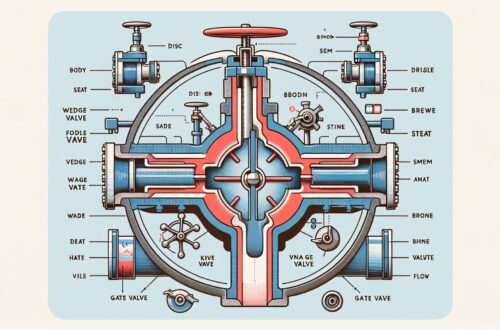
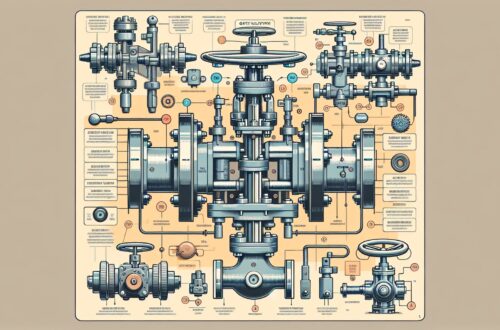
Ball valves are types of valves that feature a ball-shaped disk to control the flow of substances. Once pivoted at a 90-degree angle, these valves open or close depending on the alignment of the hole in the ball with the flow. When misaligned, flow is obstructed, closing the valve. They are known for their efficiency, durability, and capability for working optimally even after long periods of disuse[^1^].
Applications of Ball Valves
Ball valves are applicable in various industries due to their versatility and robust performance. Industries such as the oil and gas sector, wastewater treatment, food and beverage, chemical and pharmaceutical manufacturing, among others, widely use ball valves[^2^].
In the oil and gas sector, ball valves are employed in volatile applications due to their ability to withstand high pressures and temperatures. In wastewater treatment, they control the flow of effluents and are specially designed to resist corrosive effects. In the food and beverage industry, they are utilized due to their abilities to facilitate airtight sealing, necessary for safety and hygiene of consumable products.
Selection of Ball Valves
While their design seems straightforward, the selection of the right ball valve is a function of various factors. These considerations include the type of fluid, pressure, temperature, and valve size[^3^].
The media type influences the material of the ball valve. For instance, corrosive liquids will require a corrosion-resistant valve such as stainless steel. Pressure and temperature considerations determine the valve’s endurance limit to avoid operational failures. Valve sizing is also critical and is typically chosen based on the pipe’s dimensions where it will be installed.
How to Operate a Ball Valve
Operating a ball valve is quite simple. It involves turning the valve handle aligning it with the pipe to open it or perpendicular to it for closing. The flow continues as long as the handle aligns with the pipe. As these types of valves offer quick and easy control of flow, they are preferred in situations requiring fast shutoff.
To sum up, ball valves form an integral part of various industrial processes where there is a need for controlling the flow of liquids, gases, and slurries. Understanding their application, selection process, and operation can help optimize their usage, ensuring efficient industrial operations.
^1 : Dykas, B. (2021). What is a Ball Valve? [^2 : Engineering Toolbox. (2021). Ball Valves. [^3 : Johnson Valves. (2021). Selecting the Appropriate Ball Valve.
References
[^1^]: Dykas, B. (2021). What is a Ball Valve? Retrieved from https://www.pvalves.com/what-is-a-ball-valve/
[^2^]: Engineering Toolbox. (2021). Ball Valves. Retrieved from https://www.engineeringtoolbox.com/ball-valves-d_1917.html
[^3^]: Johnson Valves. (2021). Selecting the Appropriate Ball Valve. Retrieved from https://www.johnsonvalves.co.uk/selecting-the-appropriate-ball-valve/