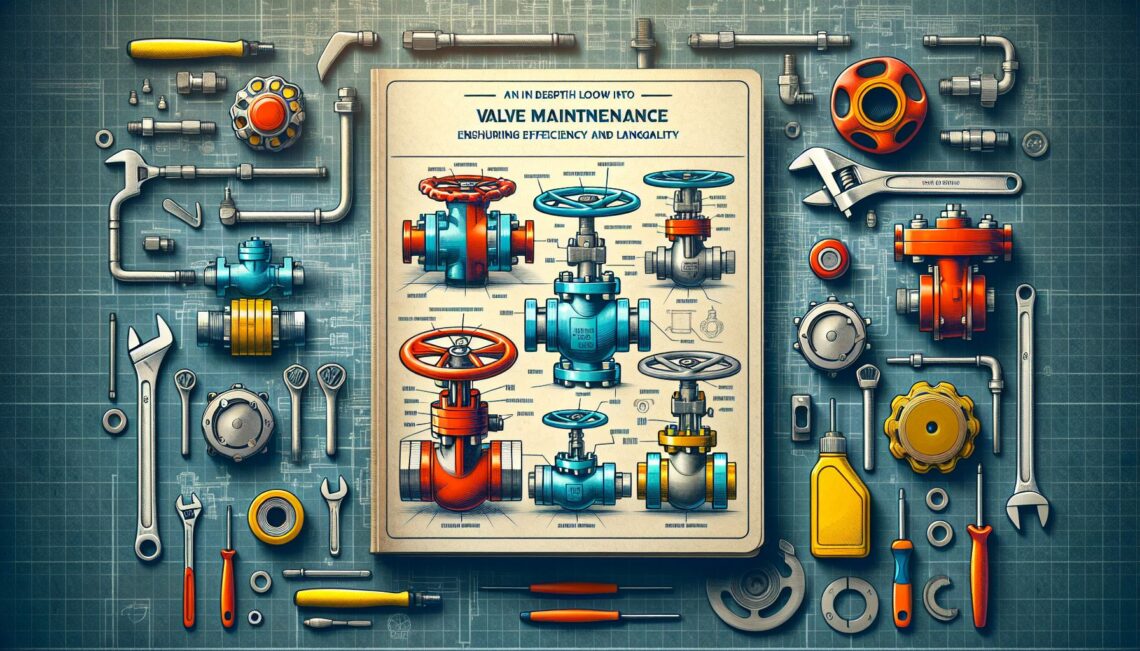
An In-depth Look Into Valve Maintenance: Ensuring Efficiency and Longevity
Valves are indispensable component of industrial processes, water supply systems, and large plumping systems. Despite their vital roles, these devices are prone to various issues, such as leaks, wear and tear, and rust. These issues can cause significant system problems if not addressed promptly and properly. Thus, proper valve maintenance is a critical factor in ensuring the efficiency and longevity of any system employing these controls^[1^]. This article delves into the aspects, techniques, and practices involved in preserving different valve types’ functioning and performance.
Importance of Regular Valve Maintenance
Regular valve maintenance is crucial for various reasons. First, it helps identify problems early, reducing the chances of operational disruptions, consequently enhancing the system’s overall efficiency and reliability. Second, regular maintenance prolongs the service life of the valve, reducing the cost of valve replacement. Finally, it ensures the safety of the operating personnel and the environment. An ill-maintained valve might cause leaks, leading to hazardous substances discharge and posing a tremendous environmental risk^[2^].
Key Steps in Valve Maintenance
The specific steps involved in valve maintenance may vary depending on the valve type, its role, and the system where it’s installed. However, standard procedures typically include the following stages:
Inspection and Cleaning
Valve inspection is the foundation for leaning into the valve’s actual condition. During this process, one should look for any visible signs of damage or wear, including corrosion, leaks, or broken components. Cleaning each part of the valve thoroughly is also essential in this stage.
Lubrication
Following cleaning, certain valve parts need lubrication to ensure optimal performance and apparent functionality. The stem, threads, and mating surfaces are among the sections that typically require proper lubrication. However, the type of lubricant depends on the valve type and its material.
Parts Replacement
Regular inspection and maintenance might identify worn or damaged components that require replacement. Professional advice and consultation should be sought to ascertain the right parts to use for replacement.
Identifying Valve Maintenance Requirements
Different valves require different maintenance techniques based on their design, usage, and the materials from which they’re made. For instance, check valves and ball valves usually require regular cleaning, lubrication, and fastener checks, while gate valves and globe valves necessitate a thorough checking of seals and packing^[3^]. Thus, knowledge of the type of valves installed in a system is integral to ensuring appropriate maintenance.
Predictive Maintenance
With advancements in technology, predictive maintenance has been introduced in valve maintenance. This approach aims at preventing system failures by predicting when the valve might fail or need maintenance. By using data like pressure, temperature, flow rate, and other relevant variables, predictive maintenance can help reduce costs and increase system reliability by addressing potential issues before they develop into significant problems.
Conclusion
Proper and regular valve maintenance is critical to guarantee an efficient, reliable, and safe system operation. It enables early detection of potential issues, promotes longevity of valve life, and ensures environmental safety. Therefore, system operators and managers should prioritize routine checking, cleaning, lubrication, and part replacements in maintaining their systems’ valves. The evolution of predictive maintenance is also changing the game, bringing hope for more efficient and cost-effective valve maintenance practices in the future.
^Industrial Valve:
Maintenance, Repair, And
Operations^: Contains a wealth of knowledge on industrial valve, including maintenance procedures.
^Valve Basics Manual^: Teach you everything you need to know about valve basics, including how to maintain them.
^Essential of Predictive Maintenance^: Covers predictive maintenance techniques, including those used for valve maintenance.